Discover Your Next Passion
Introduction to Self-Directed Learning
Take Charge of Your Learning
Think about the last time you learned something new just because you were curious. Maybe you watched a video to fix a leaky faucet, taught yourself a new song on the guitar, or went down a rabbit hole of articles about ancient history. That's self-directed learning in a nutshell: you decide what you want to learn, how you'll learn it, and when.
It’s about taking ownership of your own growth. Instead of waiting for a teacher to assign a topic, you follow your own curiosity and needs. This approach isn't just for hobbies; it's a crucial skill for personal and professional development in a world that's always changing.
Self-directed learning
noun
A process where individuals take the initiative, with or without the help of others, in diagnosing their learning needs, formulating learning goals, identifying resources for learning, choosing and implementing appropriate learning strategies, and evaluating learning outcomes.
When you're in the driver's seat, learning becomes more personal and effective. You can focus on what's most relevant to your life and career, go at your own pace, and explore topics that genuinely excite you. This leads to a deeper, more lasting understanding than simply memorizing facts for a test.
Set Your Destination
A journey without a destination is just wandering. For self-directed learning to be effective, you need clear goals. Vague ambitions like "learn to code" or "get better at writing" are hard to act on. They don't give you a clear target to aim for.
A powerful technique for setting clear goals is the SMART framework. It helps you turn a fuzzy idea into a concrete plan of action.
Effective learning goals are Specific, Measurable, Achievable, Relevant, and Time-bound (SMART).
| Letter | Stands For | What it Means |
|---|---|---|
| S | Specific | Clearly define what you want to accomplish. Instead of "learn Spanish," try "learn to have a basic 5-minute conversation in Spanish." |
| M | Measurable | How will you know when you've reached your goal? For the Spanish goal, it could be successfully having that conversation with a native speaker. |
| A | Achievable | Your goal should be realistic given your current resources and constraints. Don't aim for fluency in a month if you only have two hours a week. |
| R | Relevant | Why does this goal matter to you? It should align with your broader interests or career objectives to keep you motivated. |
| T | Time-bound | Set a deadline. "I will achieve my goal of a 5-minute conversation within three months." |
Using this framework transforms your goal from a wish into a real project with a clear finish line.
Master Your Time
One of the biggest challenges in self-directed learning is finding the time. Life is busy, and it's easy for learning goals to get pushed to the bottom of the to-do list. The key is to be intentional with your schedule.
Treat your learning time like any other important appointment. Block it out on your calendar. Even 30 minutes a day can add up to significant progress over a few weeks. It’s also helpful to break down your big learning goal into smaller, weekly tasks. Instead of facing the giant task of "learn to build a website," your goal for the week might be "complete the HTML basics module."
This makes the process less intimidating and helps you build momentum with small, consistent wins.
Pro Tip: Identify your most productive time of day. Are you a morning person or a night owl? Schedule your learning sessions during these peak hours to get the most out of your effort.
Develop a Personal Learning Plan
A personal learning plan is your roadmap. It brings together your goals, resources, and timeline into a single document. It doesn’t need to be complicated. A simple outline can keep you focused and on track.
Start by writing down your SMART goal. Then, brainstorm the resources you'll use. Will you take an online course, read a book, find a mentor, or a combination of things? Identify the specific course, book, or person.
Next, break down your goal into smaller steps or milestones and assign deadlines to each. This creates your timeline. For example, if your goal is to learn Photoshop in two months, your first milestone might be to master the basic selection tools by the end of week one.
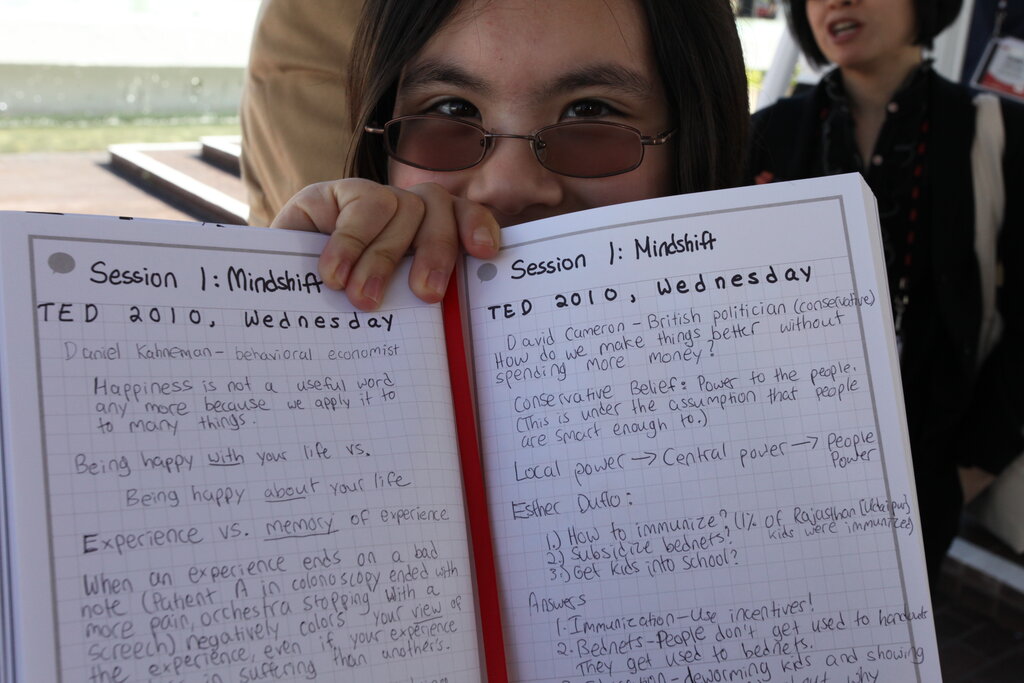
Finally, decide how you will track your progress. You could keep a learning journal, build a small project to apply your new skills, or explain what you learned to a friend. Regularly reviewing your progress helps you stay motivated and adjust your plan if something isn't working.
This simple plan acts as your guide, turning your desire to learn into a structured and achievable journey.
What is the core principle of self-directed learning?
Which of the following goals best exemplifies the SMART framework described for learners?
Self-directed learning empowers you to continuously adapt and grow. By setting clear goals, managing your time, and creating a thoughtful plan, you can learn anything you set your mind to.