Discover Turkey
Geography of Turkey
Where Continents Meet
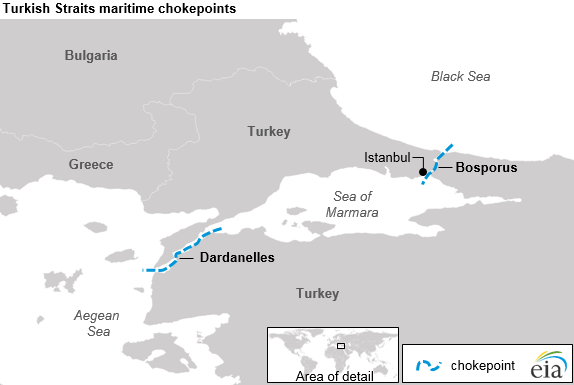
Turkey has a unique and strategic position, acting as a natural bridge between Europe and Asia. While most of the country, the region known as Anatolia, lies in Western Asia, a small portion called East Thrace is in Southeastern Europe. This transcontinental identity has shaped its history and culture for millennia.
The European and Asian parts of Turkey are separated by a series of waterways: the Bosphorus Strait, the Sea of Marmara, and the Dardanelles Strait. Together, these form the Turkish Straits, a critical maritime passage connecting the Black Sea to the Aegean and Mediterranean Seas.
Mountains, Plateaus, and Coasts
Turkey's landscape is incredibly varied. The heart of the country is the Anatolian plateau, a vast, semi-arid upland region. This central plateau is characterized by high elevations and is flanked by formidable mountain ranges that isolate it from the coastal plains.
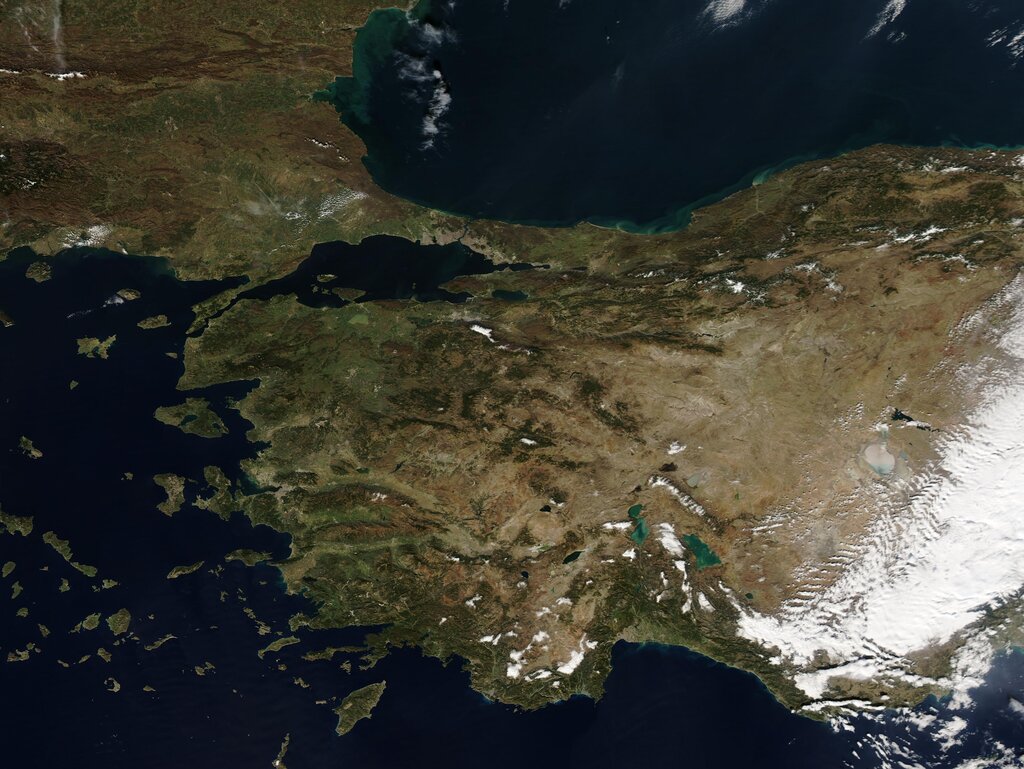
To the north, the Pontic Mountains run parallel to the Black Sea coast. They are a dense, green range that traps moisture, creating a lush and rainy coastal strip. In the south, the Taurus Mountains follow the Mediterranean coast. This rugged range is known for its dramatic peaks and deep valleys, creating a stunning backdrop to the southern shoreline.
Climate and Natural Wonders
Because of its diverse topography, Turkey experiences several different climates. The Aegean and Mediterranean coasts enjoy a classic Mediterranean climate with long, hot, dry summers and mild, rainy winters. The Black Sea coast, influenced by the Pontic Mountains, has a temperate oceanic climate with warm summers, cool winters, and high rainfall throughout the year.
In contrast, the inland Anatolian plateau has a continental climate, marked by extreme temperatures—hot summers and cold, snowy winters.
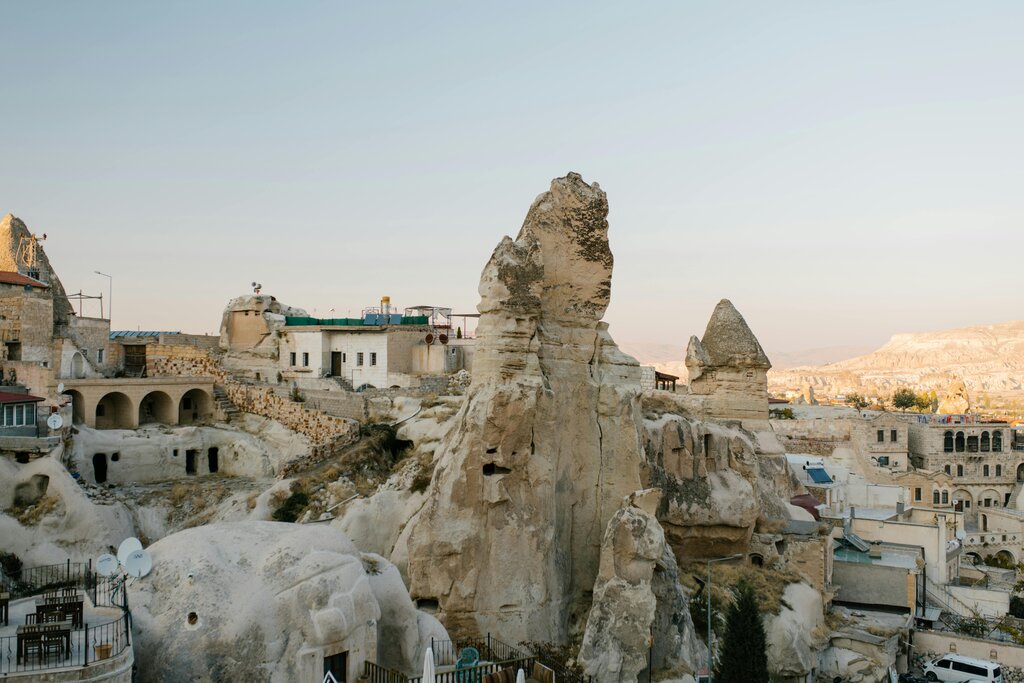
This varied geography has produced some spectacular natural landmarks. In the far east rises Mount Ararat, Turkey's highest peak at 5,137 meters (16,854 feet) and a dormant volcano covered in snow year-round. In central Anatolia, the region of Cappadocia is famous for its "fairy chimneys," tall, cone-shaped rock formations created by erosion.
Another striking landmark is Pamukkale, which means "cotton castle" in Turkish. It's a surreal landscape of terraced, white travertine basins created by mineral-rich thermal waters flowing down a hillside. These natural pools have been used as a spa for thousands of years.
Time to test your knowledge on the geography of Turkey.