Discover Sicily
Geography
Crossroads of the Mediterranean
Sicily is the largest island in the Mediterranean Sea. It sits just off the 'toe' of Italy's boot, separated by the narrow Strait of Messina. Its location is strategic, acting as a natural bridge between Europe and Africa. The northern coast faces the Tyrrhenian Sea, the eastern coast the Ionian Sea, and the southern coast looks toward North Africa, only about 90 miles away.
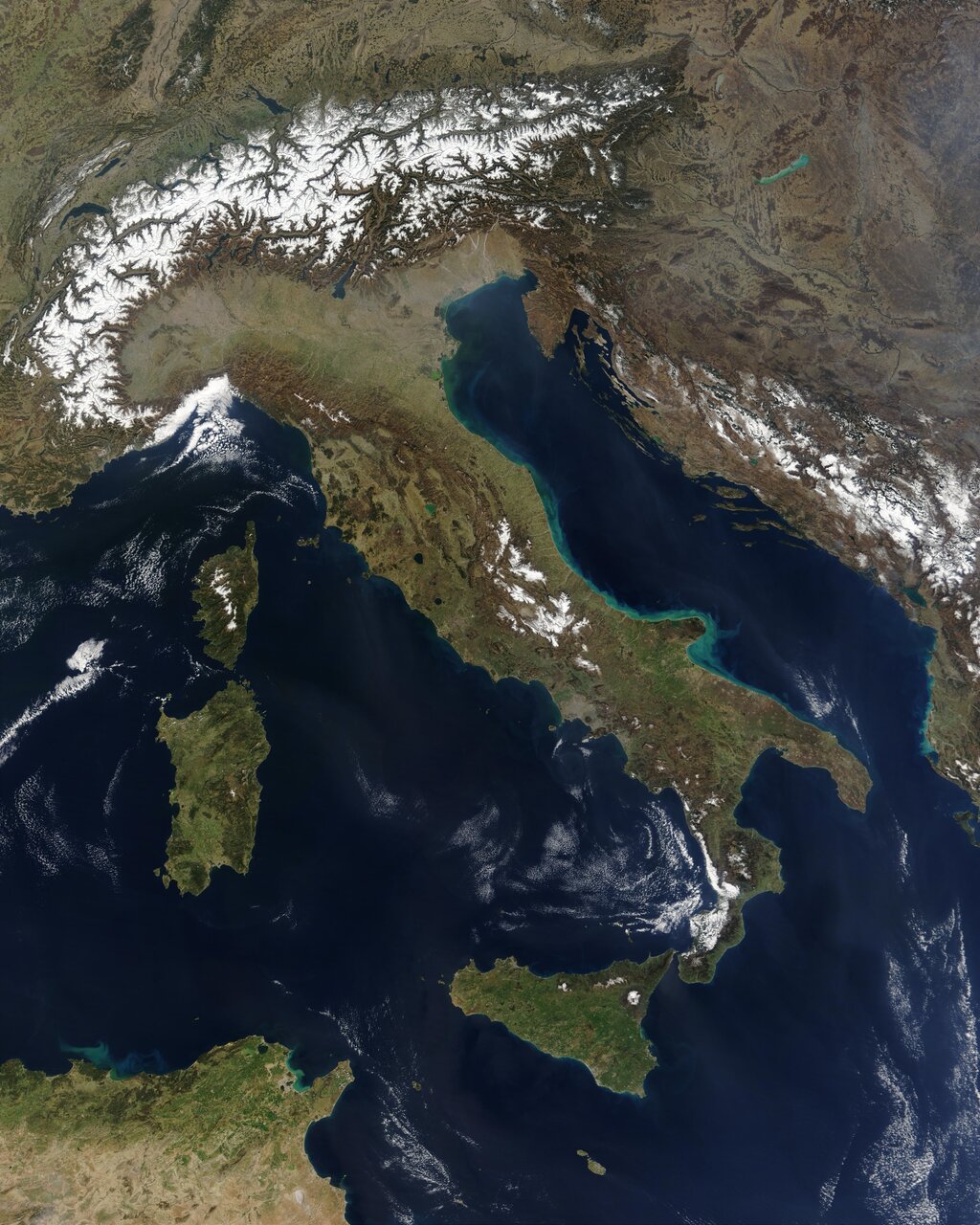
This central position has made Sicily a meeting point for different cultures throughout history. Its extensive coastline, dotted with natural harbors, has always invited trade and settlement.
A Mountainous Landscape
The island's terrain is rugged. About 80% of Sicily is mountainous or hilly, which has concentrated settlements and agriculture along the coasts and in the few flat plains. The main mountain chain, the Sicilian Apennines, runs along the northern coast. It's a continuation of the Apennine Mountains on the Italian mainland and consists of three ranges: the Peloritani, Nebrodi, and Madonie.
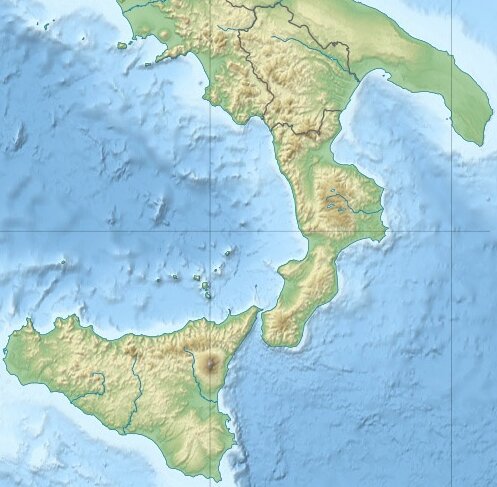
These mountains create diverse microclimates and landscapes, from lush forests in the Nebrodi range to the stark, rocky peaks of the Madonie. The only wide plain is the Plain of Catania on the eastern coast, which is one of the most fertile agricultural areas on the island.
The Shadow of Etna
Dominating the eastern side of Sicily is Mount Etna, Europe's tallest and most active volcano. Standing over 11,000 feet, its peak is often snow-capped and can be seen from much of the island. Etna is in a near-constant state of activity, with frequent eruptions that can be both destructive and life-giving.
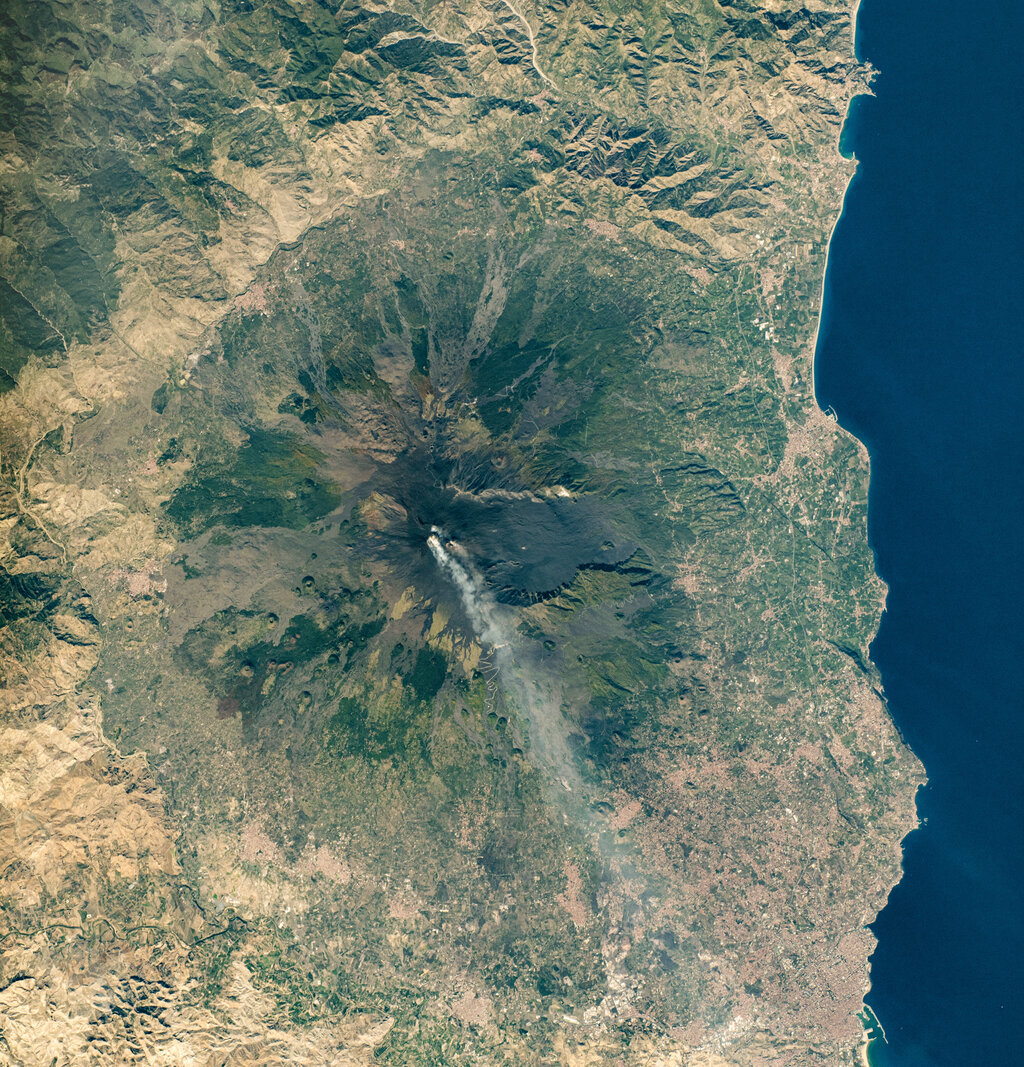
The lava flows and ash deposits from its eruptions have created incredibly fertile volcanic soils on its slopes. This rich earth supports extensive vineyards, citrus groves, and orchards, making the area around Etna a vital agricultural hub despite the risks.
Climate and Resources
Sicily has a classic Mediterranean climate. This means long, hot, and dry summers, with mild and moderately rainy winters. This weather pattern is ideal for growing many of the island's most famous products.
Occasionally, the sirocco, a hot, humid wind from the Sahara Desert, blows across the island, bringing higher temperatures and a fine layer of reddish dust.
The island's primary natural resource is its fertile land. Agriculture has always been central to Sicilian life, with wheat, olives, grapes, and citrus fruits being the most important crops for centuries. The surrounding seas are also a major resource, rich with fish like tuna and swordfish. Along the western coast, ancient salt pans, particularly between Trapani and Marsala, continue to produce sea salt through natural evaporation.
Now, let's test your knowledge of Sicily's geography.
What narrow body of water separates Sicily from the 'toe' of mainland Italy?
What is the primary agricultural consequence of Mount Etna's volcanic activity?
Understanding Sicily's geography is key to understanding its story. The mountains, the volcano, the sea, and the climate have all shaped how people live, work, and interact with their environment.