Discover Norway
Introduction to Norway
Norway's Place in the World
Norway is a long, narrow country located in Northern Europe on the Scandinavian Peninsula. It shares a long border with Sweden to the east, and shorter borders with Finland and Russia in the far northeast. Its most defining feature is its extensive coastline, which stretches along the North Atlantic Ocean and is famous for its fjords—deep, dramatic inlets carved by glaciers.
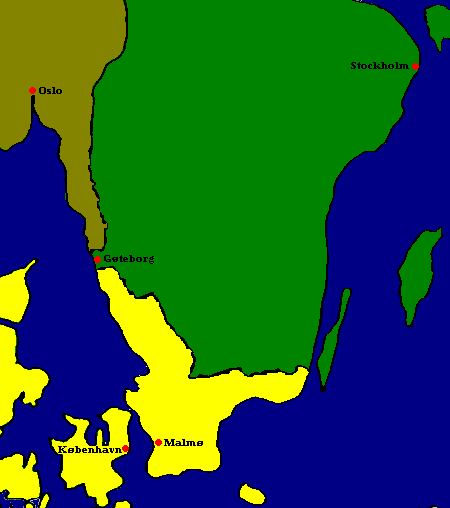
This geography has always been important. The sea provides access to fishing, oil, and gas, which are cornerstones of the Norwegian economy. The mountainous terrain historically made land travel difficult, leading to distinct regional cultures.
How Norway Is Governed
Norway is a constitutional monarchy with a parliamentary system of democracy. This means it has a monarch (a king or queen) who serves as the head of state in a ceremonial role, but political power lies with the elected government.
The Norwegian system is built on the principle of separation of powers, dividing the government into three branches: the legislative, the executive, and the judicial.
The legislative branch, called the Storting, is Norway's parliament. Its 169 members are elected by the people every four years. The Storting's main job is to pass laws and approve the state budget.
The executive branch is the Government, which is led by the Prime Minister. The Government is responsible for implementing the laws passed by the Storting. The King formally appoints the government, but in practice, the Prime Minister is the leader of the majority party or coalition in parliament.
The judicial branch consists of the courts, with the Supreme Court at the top. The courts interpret the laws and ensure they are applied fairly.
Norway on the Global Stage
Despite its small population of about 5.5 million people, Norway plays a significant role in global affairs. It is a founding member of the United Nations (UN) and the North Atlantic Treaty Organization (NATO), a key military alliance.
Interestingly, Norway is not a member of the European Union (EU). Norwegian voters have rejected membership in two separate referendums. However, it maintains a close relationship with the EU through its membership in the European Economic Area (EEA). This agreement gives Norway access to the EU's single market, meaning it can trade freely with EU countries.
Norway is also known for its extensive foreign aid programs and its role as a mediator in international conflicts. The country's capital, Oslo, is where the Nobel Peace Prize is awarded each year, further cementing its reputation as a promoter of peace and human rights.
Finally, its massive sovereign wealth fund, built on revenue from its oil and gas industry, is one of the largest in the world. This gives Norway significant financial influence on the global stage.
Let's review what we've learned about Norway.
What is the most defining geographical feature of Norway's extensive coastline?
In Norway's constitutional monarchy, what is the primary role of the monarch?
This overview provides a foundation for understanding Norway's unique position, shaped by its geography, democratic principles, and active role in the world.