Discover Majorca
Majorca's Physical Geography
An Island in the Sun
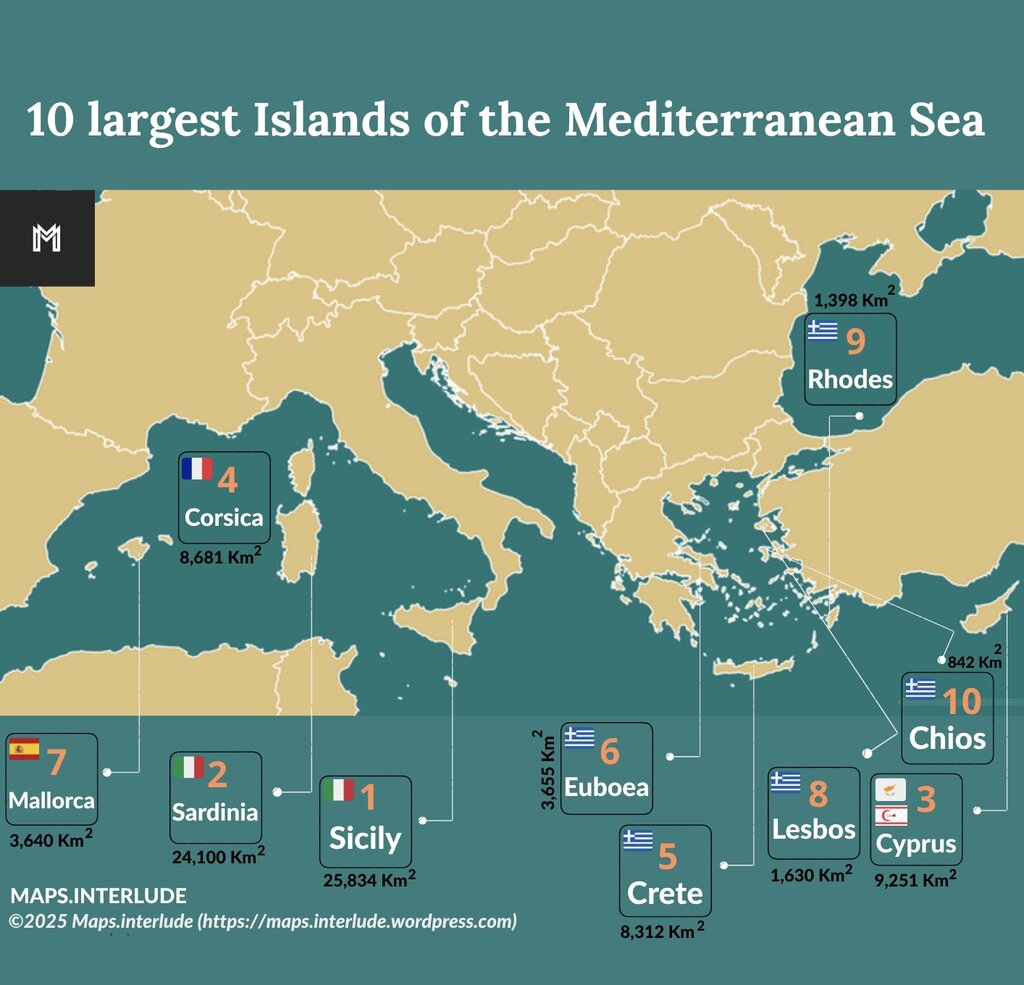
Majorca, also spelled Mallorca, is the largest of Spain's Balearic Islands. It sits in the western Mediterranean Sea, about 200 kilometers off the eastern coast of the Iberian Peninsula. Its strategic location has made it a historical crossroads for maritime trade and a popular destination for travelers for centuries.
Mountains and Plains
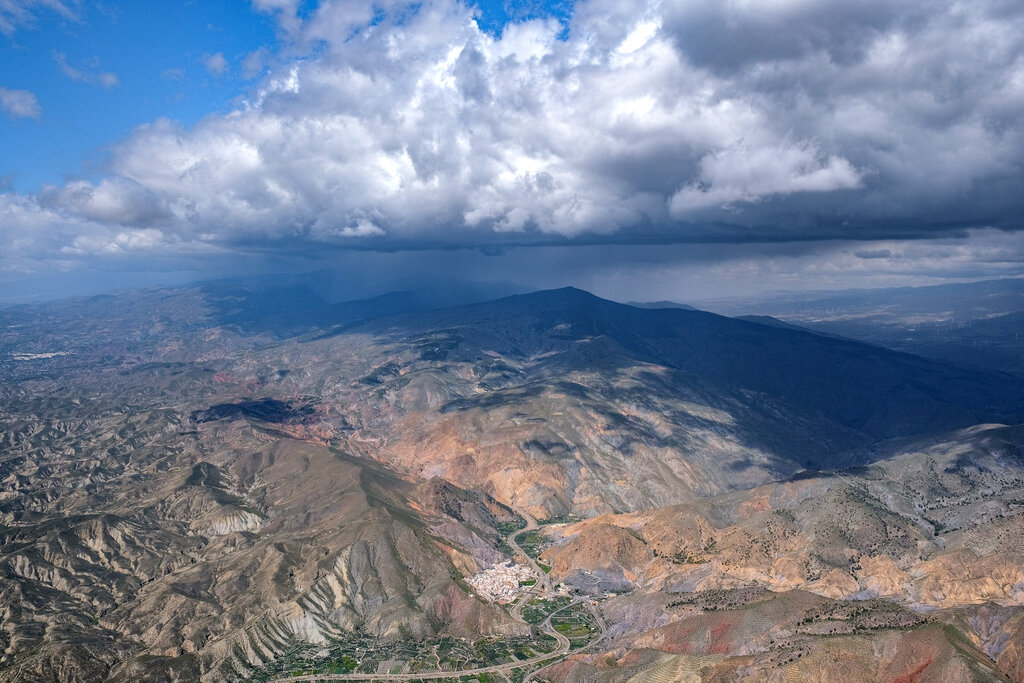
The island's landscape is dominated by two distinct mountain ranges and a large central plain. The most significant is the Serra de Tramuntana, a formidable limestone range that runs along the northwest coast. These mountains, a UNESCO World Heritage site, feature dramatic cliffs that plunge into the sea and rugged peaks, with the highest point being Puig Major at 1,445 meters.
In contrast, the interior of the island is a fertile, flat plain known as Es Pla. This area is the agricultural heartland of Majorca. To the southeast, the Serres de Llevant are a smaller, gentler range of hills, offering a different but equally scenic landscape.
A Mediterranean Climate
Majorca enjoys a warm-summer Mediterranean climate. This means summers are hot and dry, while winters are mild and relatively wet. The Serra de Tramuntana plays a crucial role in the island's weather, shielding the rest of Majorca from northwesterly winds and capturing more rainfall than the plains below.
| Season | Average High Temperature | Average Rainfall |
|---|---|---|
| Summer (Jun-Aug) | 30°C (86°F) | Low |
| Winter (Dec-Feb) | 15°C (59°F) | Moderate |
This predictable climate pattern is a major draw for tourism and dictates the rhythm of agricultural life.
Land Shapes Life
The physical geography of Majorca directly shapes its economy. The stunning coastline, with its many coves and beaches, combined with the sunny climate, forms the backbone of the tourism industry. The mountains attract hikers and cyclists from around the world.
Meanwhile, the fertile Es Pla plain, benefiting from the mild winters and ample sun, is ideal for farming. The region is famous for its olives, almonds, citrus fruits, and vineyards, producing local wines that are gaining international recognition.
The island's diverse topography, from high mountains to flat plains, creates a variety of microclimates and ecosystems, supporting both a robust agricultural sector and a world-class tourism industry.
Time to review what you've learned.
What is the name of the UNESCO World Heritage mountain range that runs along Majorca's northwest coast?
The Serra de Tramuntana mountain range significantly influences Majorca's climate by shielding the island from northwesterly winds and capturing rainfall.