Discover Luxembourgish
Introduction to Luxembourgish
A Language of Its Own
Step into Luxembourg, and you'll quickly notice a unique linguistic landscape. Official documents might be in French, newspapers in German, but the conversations you hear on the street, in shops, and at home are likely in Luxembourgish. It's the national language, a core part of the country's identity.
For a long time, Luxembourgish was primarily a spoken dialect. It wasn't until 1984 that it was legally recognized as the national language. Today, it coexists with French and German, which are also official administrative languages. This trilingualism is a fact of daily life. A child might learn Luxembourgish at home, read and write in German at primary school, and then switch to French for higher education. Government and legal matters are often handled in French, while German remains common in the press.
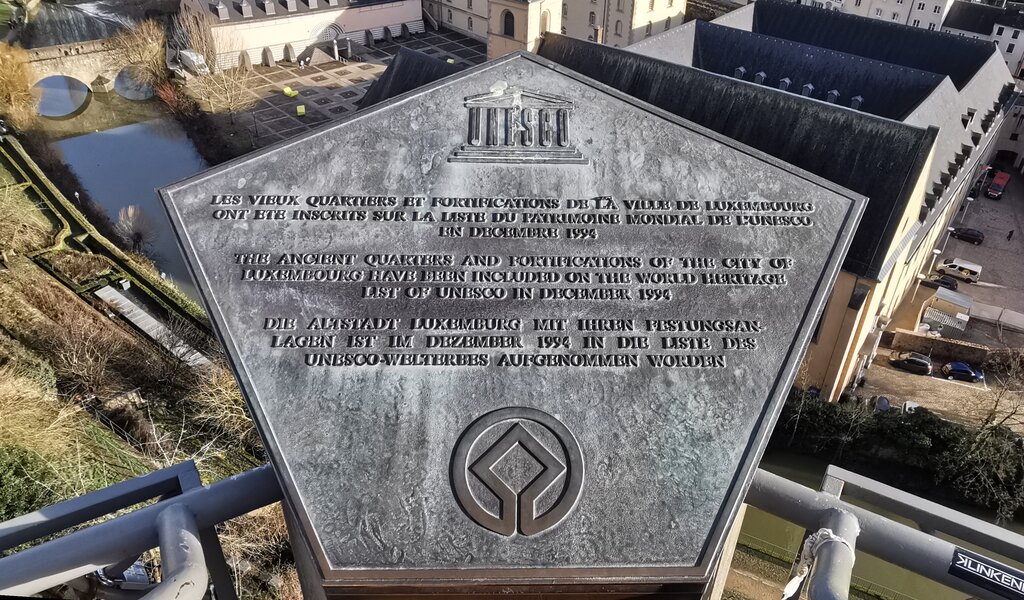
But Luxembourgish is the glue that holds this multilingual society together. It's the language of belonging and everyday life, a symbol of national sovereignty and culture.
Luxembourgers really appreciate it when people make an effort to learn their language.
German Roots, French Flavor
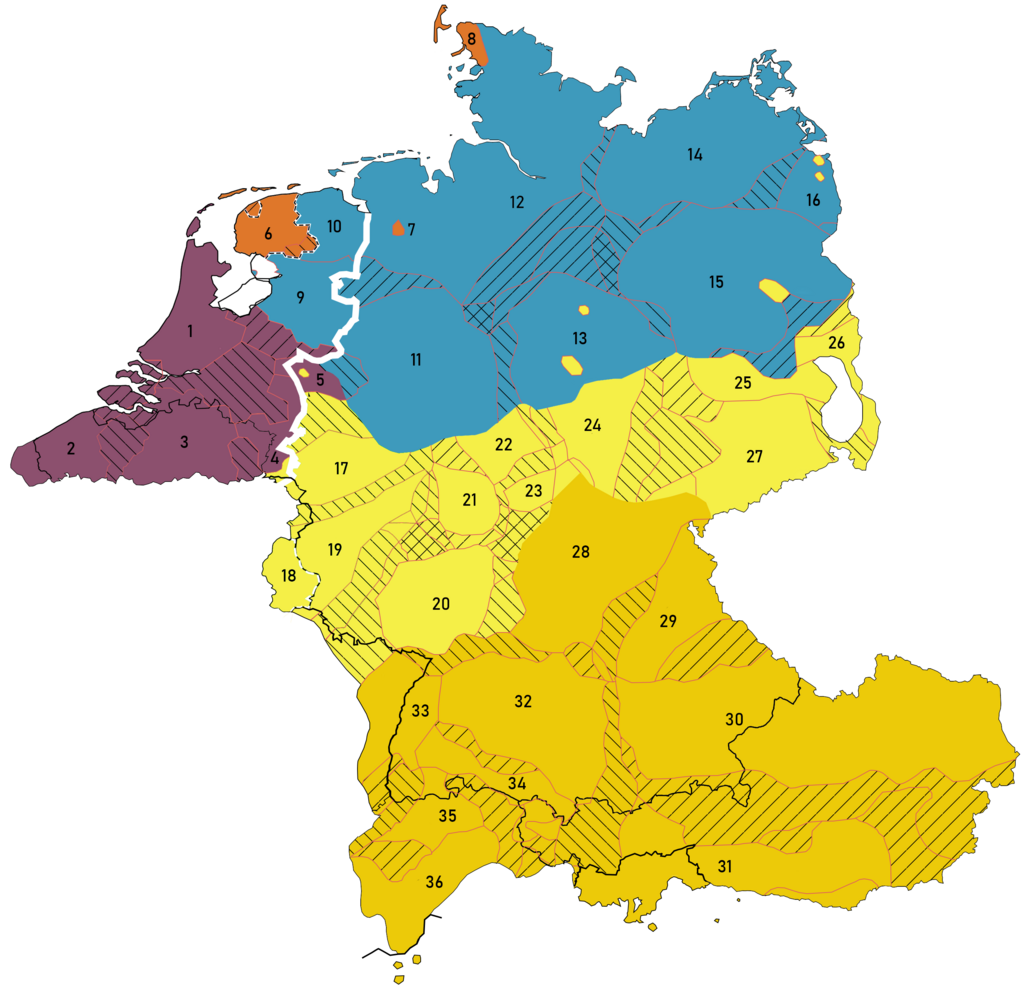
At its heart, Luxembourgish is a West Germanic language. It began as a Moselle Franconian dialect, a group of dialects spoken in the western German Rhineland. This makes it a close relative of German and Dutch. If you know some German, you'll recognize many familiar words and structures.
But what makes Luxembourgish distinct is its heavy borrowing from French. Centuries of close cultural and political ties with France have woven a rich tapestry of French words into the language. You'll find them everywhere, from everyday pleasantries to specialized vocabulary.
This blend creates a unique linguistic identity, a language that is recognizably Germanic but with a distinct Romance flair.
For example, to say thank you, you'd say merci, just like in French. A fork is a fourchette. This mix is completely natural to native speakers. Take a look at these examples:
sidewalk
The word for sidewalk comes directly from French.
mail carrier
Here, the Germanic roots are clear. The word is a compound of Bréif (letter, from German Brief) and Dréier (carrier, from German Träger).
The Written Word
The Luxembourgish alphabet uses the 26 letters of the standard Latin alphabet. There are no completely new letters to learn, but you will see a few familiar ones with special marks, known as diacritics.
| Special Character | Name | Approximate Sound |
|---|---|---|
| é | e-accent aigu | Sounds like the "ay" in "say" |
| ä | a-umlaut | Sounds like the "e" in "get" |
| ë | e-umlaut | Sounds like the "uh" in "sofa" |
These marks are important because they change the pronunciation of the vowel. One of the most interesting features of Luxembourgish spelling is its highly phonetic nature. In general, words are written just as they are spoken. This consistency makes learning to read and pronounce the language more straightforward than in languages with more complex spelling rules, like English or French.
orthography
noun
The conventional spelling system of a language.
This standardized, phonetic system was a major step in cementing Luxembourgish as a complete language, fully equipped for everything from literature to text messages.