Discover Italy
Geography
Mountains, Coasts, and Volcanoes
Italy's landscape is famously dramatic, defined by massive mountain ranges that shape the country from top to bottom. In the north, the Alps form a towering, jagged crown. This natural barrier separates Italy from the rest of Europe, with some of the continent's highest peaks. The scenery is breathtaking, attracting skiers and hikers from around the world to its snowy slopes and pristine valleys.
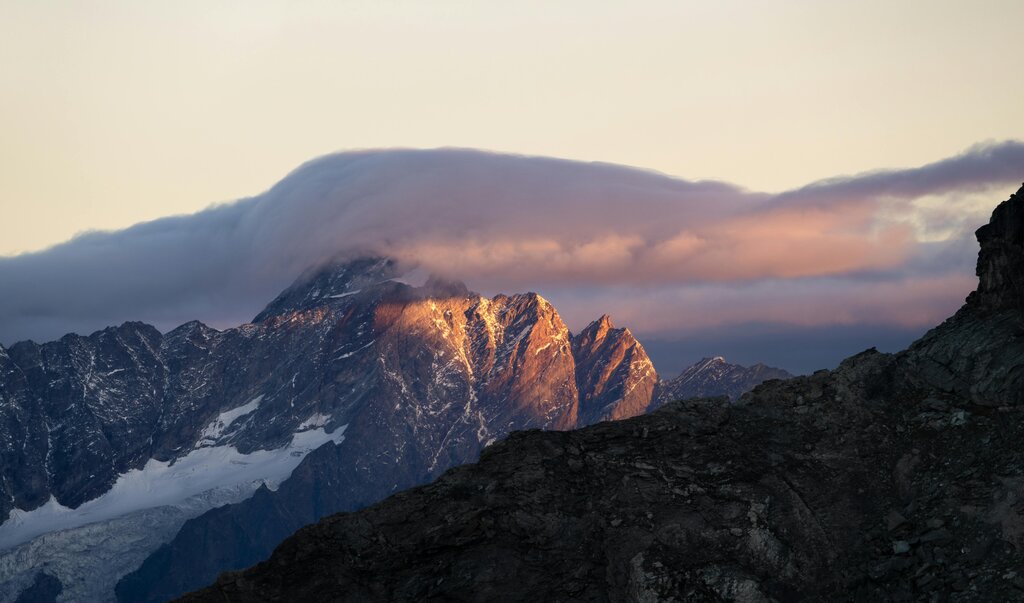
Running down the center of the entire peninsula is another, longer mountain range: the Apennines. Often called the “backbone of Italy,” these mountains stretch for over 1,200 kilometers, influencing the climate and culture of the regions they divide. Unlike the sharp peaks of the Alps, the Apennines are generally lower and more rounded, though still rugged and wild in many parts.
Hills and Coastlines
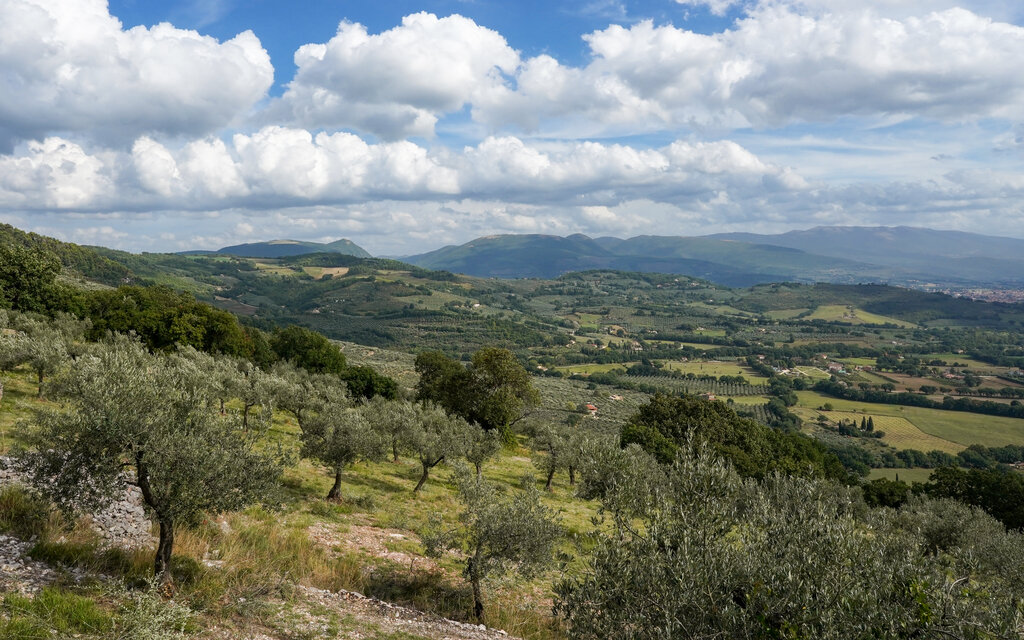
Between the mountains lie fertile plains and rolling hills. The most famous of these is Tuscany, a region whose landscape has inspired artists for centuries. Its gentle hills are covered with vineyards, olive groves, and medieval towns perched on hilltops. This idyllic scenery is a direct result of the region's unique geography.
With over 7,600 kilometers of coastline, Italy's relationship with the sea is fundamental. The shores vary from long, sandy beaches to dramatic, rocky cliffs. The Amalfi Coast, south of Naples, is a stunning example of this. Here, mountains plunge directly into the turquoise sea, with colorful villages clinging precariously to the cliffsides.
This extensive coastline has shaped Italy's history, making it a major maritime power for centuries and influencing its cuisine and way of life.
A Land of Fire
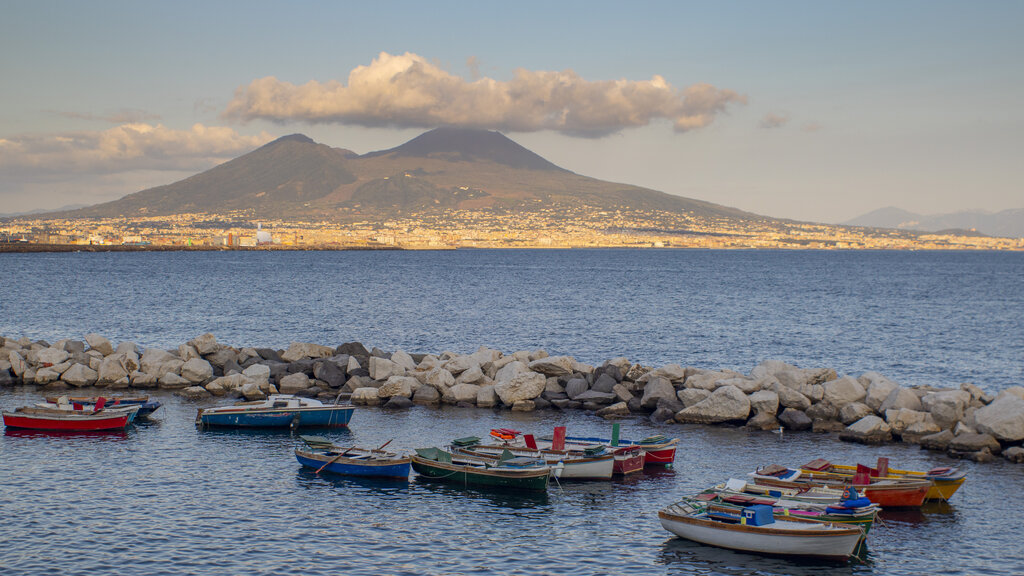
Italy's geography is also uniquely shaped by volcanic activity. It's home to several active volcanoes, two of which are world-famous. Mount Vesuvius looms over the Bay of Naples, a constant reminder of the power that buried the Roman city of Pompeii in 79 AD. Though currently dormant, it is one of the most closely monitored volcanoes in the world because of the large population living nearby.
Further south, on the island of Sicily, is Mount Etna. It's one of the most active volcanoes on Earth and is almost constantly erupting. These frequent, but usually gentle, eruptions have created incredibly fertile soil on its slopes, which is perfect for growing grapes and citrus fruits. This blend of creative and destructive natural forces is a key part of Italy's identity.
Ready to review what you've learned about Italy's diverse terrain?
Which mountain range is known as the “backbone of Italy,” running down the center of the peninsula?
True or False: The landscape of Tuscany is characterized by sharp, snowy mountain peaks similar to the Alps.