Discover Italy
Italy's Geography
Italy's Varied Landscapes
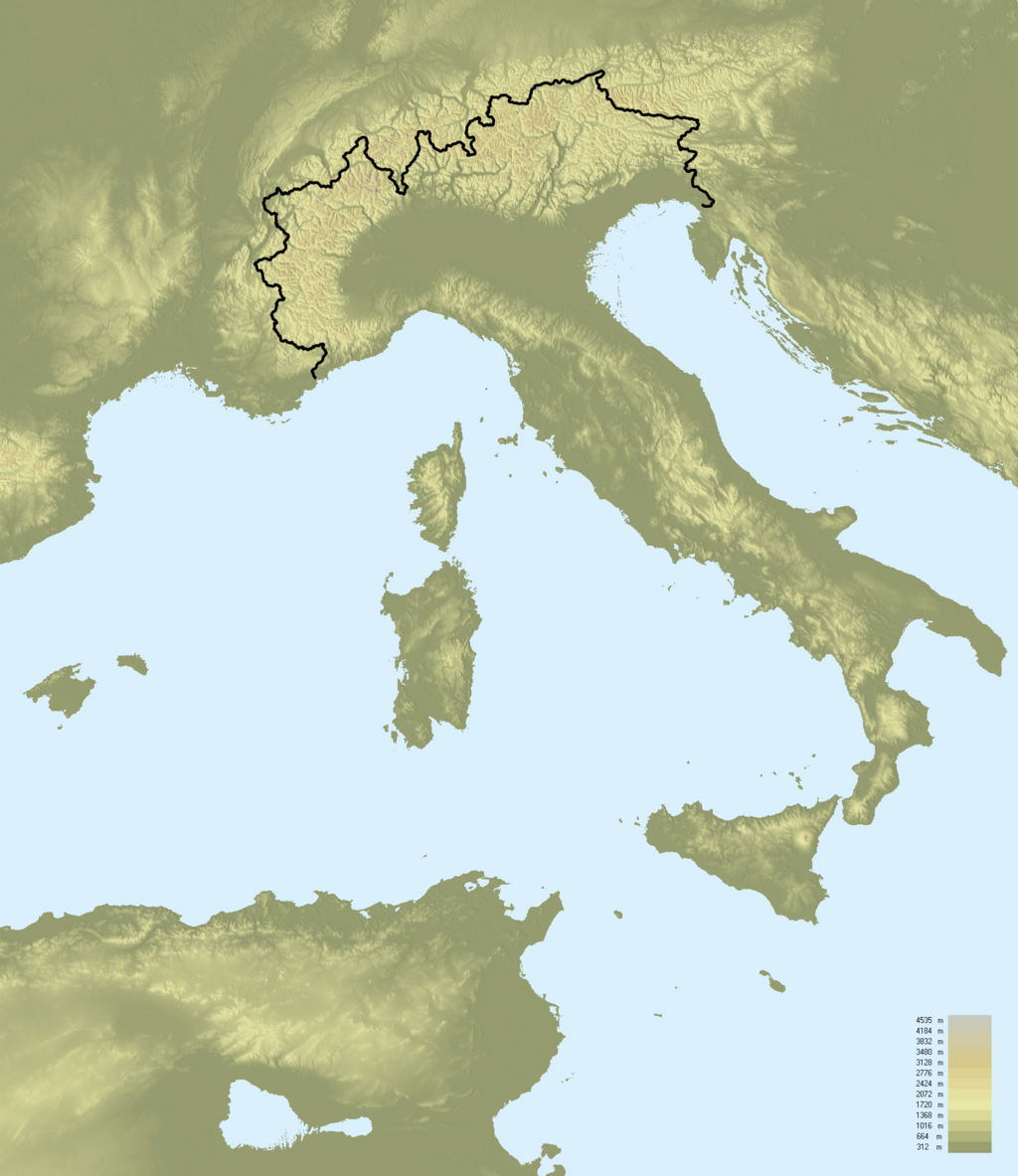
Italy's geography is as diverse as its culture. The country, famously shaped like a boot, juts into the Mediterranean Sea. This unique position gives it a vast coastline and a landscape dominated by mountains and hills. Two major mountain ranges define its topography: the Alps in the north and the Apennines, which run down its entire length.
Mountains and Plains
The Alps form a massive natural barrier at Italy's northern border, separating it from the rest of Europe. These high, rugged peaks are home to glaciers and alpine valleys, influencing the climate of northern Italy by blocking cold winds from the north.
Running from the Alps down to the southern tip of the peninsula are the Apennine Mountains. Often called the "spine of Italy," this range is less rugged than the Alps but creates a significant divide between the eastern and western coasts. The landscape here is characterized by rolling hills, forests, and plateaus.
Nestled between the Alps and the northern Apennines is the Po Valley, Italy's largest and most fertile plain. This vast flatland was formed by the Po River, the country's longest river, which flows from the Alps eastward to the Adriatic Sea. The rich soil makes it an agricultural powerhouse, ideal for growing crops like rice, corn, and wheat.
The Tiber River, though shorter than the Po, is historically significant as it flows through Rome and was vital to the city's development.
Coasts, Islands, and Volcanoes
With over 7,600 kilometers of coastline, Italy is surrounded by several seas, including the Adriatic to the east, the Ionian to the southeast, and the Tyrrhenian to the west. The coastal regions vary dramatically, from the sandy beaches of the Adriatic Riviera to the rocky cliffs of the Amalfi Coast.
Italy also includes two large islands, each with its own distinct geography. Sicily, the largest island in the Mediterranean, is located just off the southern tip of the mainland. It has a rugged, mountainous interior and a varied coastline. Sardinia lies to the west and is known for its mountainous terrain and stunning, pristine beaches.
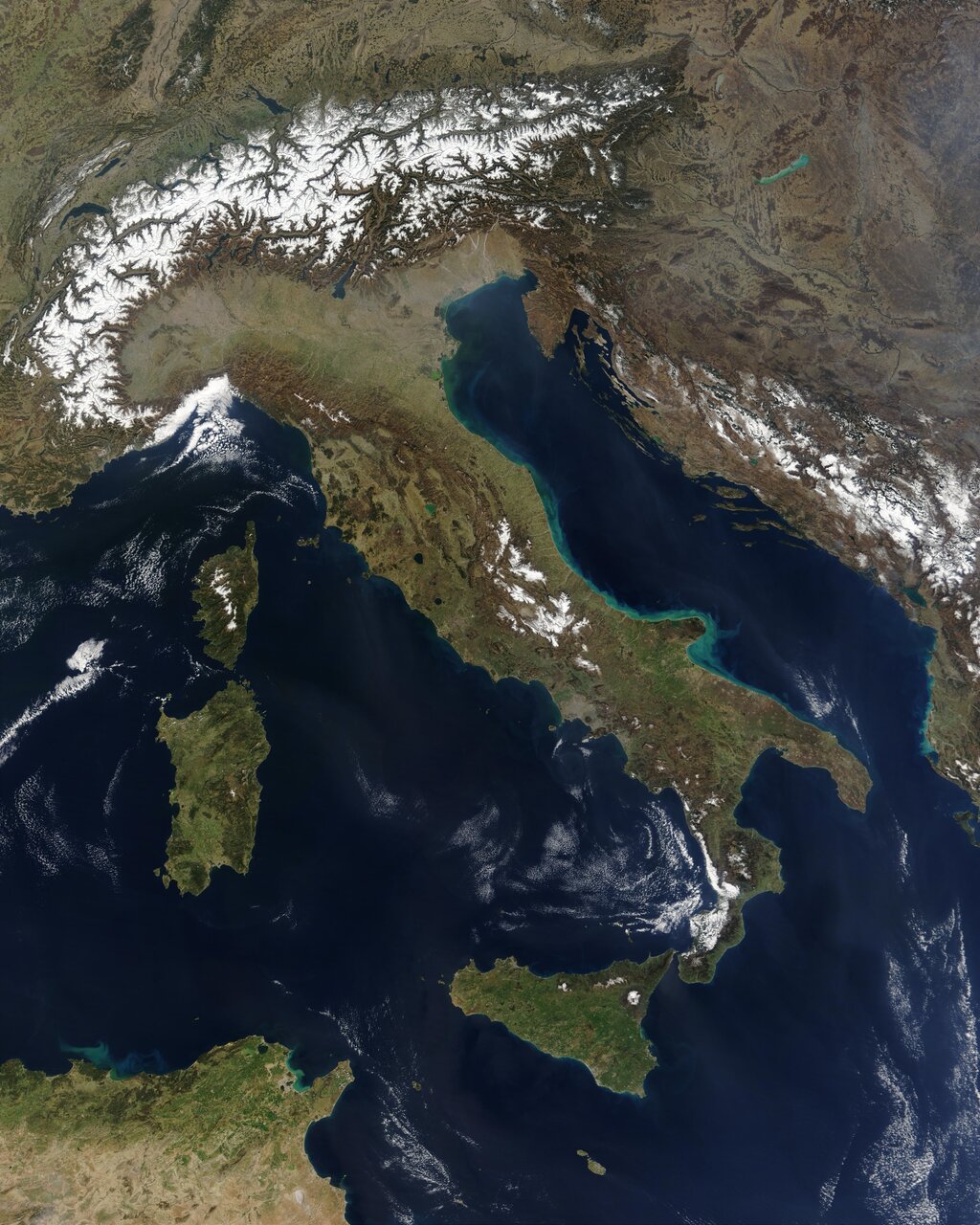
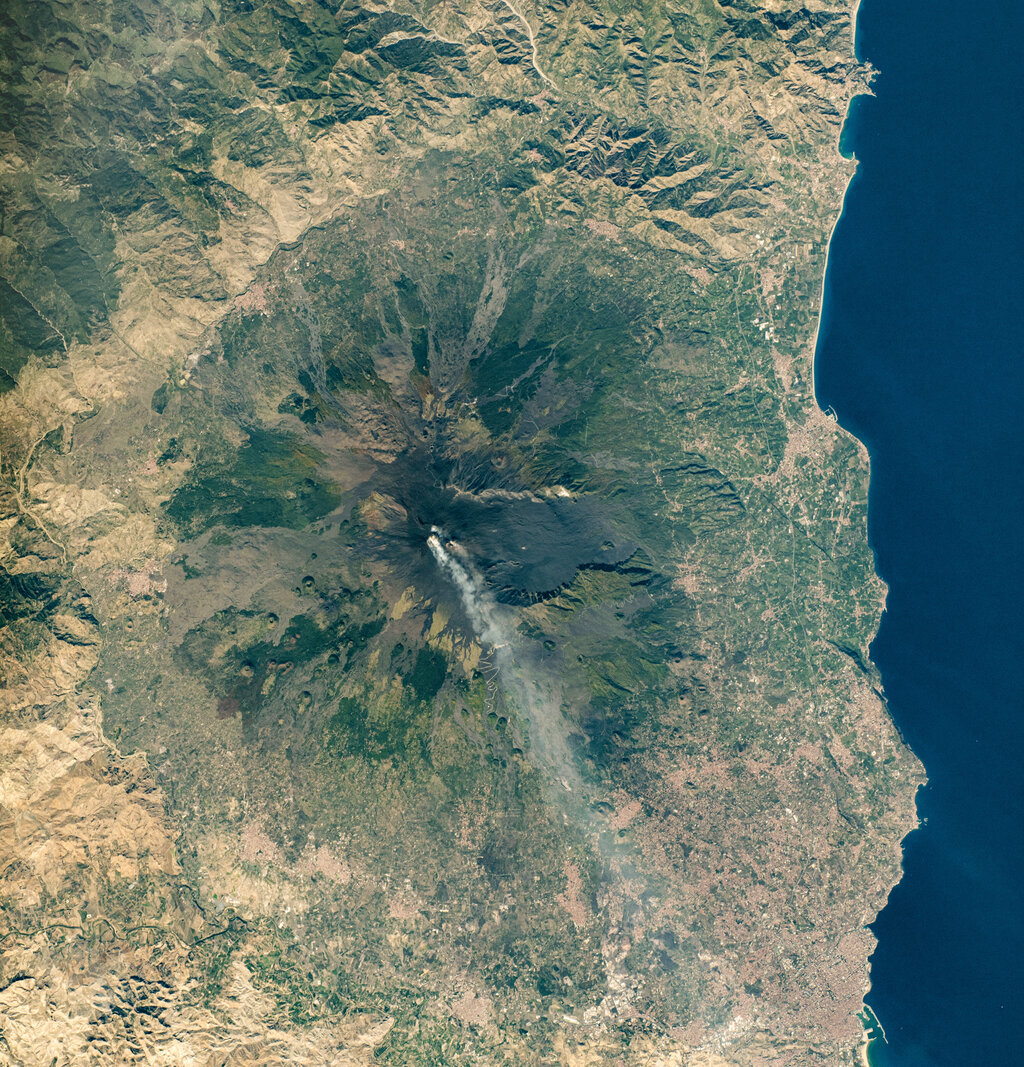
The country's location on a fault line makes it geologically active. Southern Italy is home to two of Europe's most famous active volcanoes. Mount Vesuvius looms over the Bay of Naples on the mainland, while Mount Etna, one of the most active volcanoes in the world, dominates the eastern landscape of Sicily.
Climate and Agriculture
Italy's diverse geography creates a variety of regional climates. The north has a harsher climate with cold winters and hot, humid summers, typical of an inland continental region. Central Italy enjoys a milder Mediterranean climate, while the south experiences hot, dry summers and mild winters.
This climatic variation, combined with the different terrains, has a profound impact on agriculture. The fertile Po Valley is perfect for grains and dairy farming. The hilly regions of central Italy, like Tuscany, are ideal for vineyards and olive groves. In the warmer, sun-drenched south, citrus fruits, olives, and durum wheat thrive.
This diverse geographical canvas, coupled with Italy's myriad of unique soil types, cultivates an unparalleled array of wines, each with its distinct personality and flavor profile.
This overview gives you a sense of Italy's physical stage, where its long history and rich culture have unfolded.