Discover Ireland's Wonders
Introduction to Ireland's Geography
The Emerald Isle
Ireland is an island in the North Atlantic, separated from Great Britain by the Irish Sea. It's often called the Emerald Isle, and for good reason—the landscape is famously green, thanks to frequent rainfall and a mild climate. The island is divided politically into the Republic of Ireland, which covers most of the landmass, and Northern Ireland, which is part of the United Kingdom.
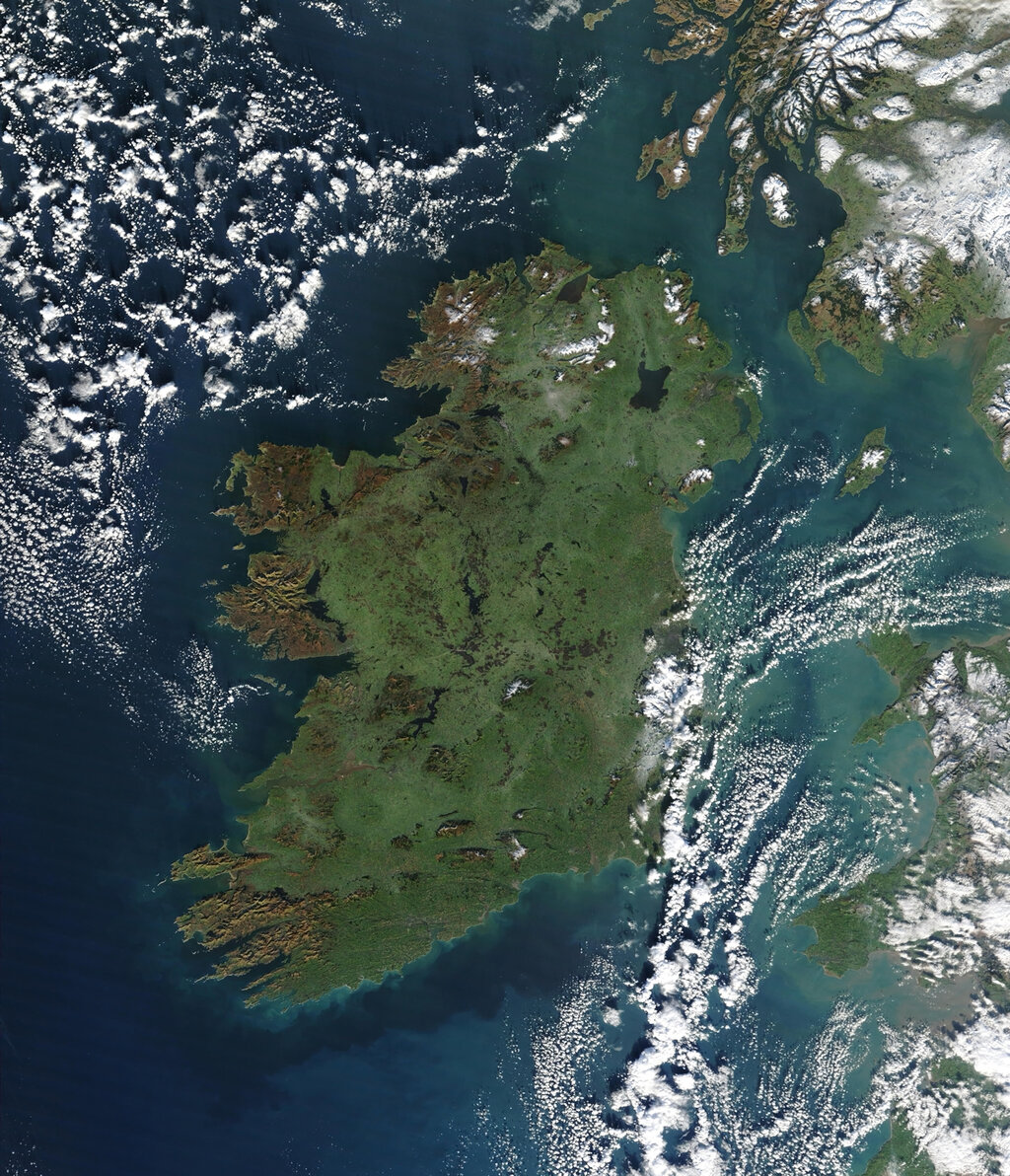
The center of the country is relatively flat, characterized by rolling lowlands, farmland, and bogs. The coastline, however, is much more dramatic. It's rugged and mountainous, especially in the west, with towering cliffs, deep bays, and numerous small islands.
Urban Hubs
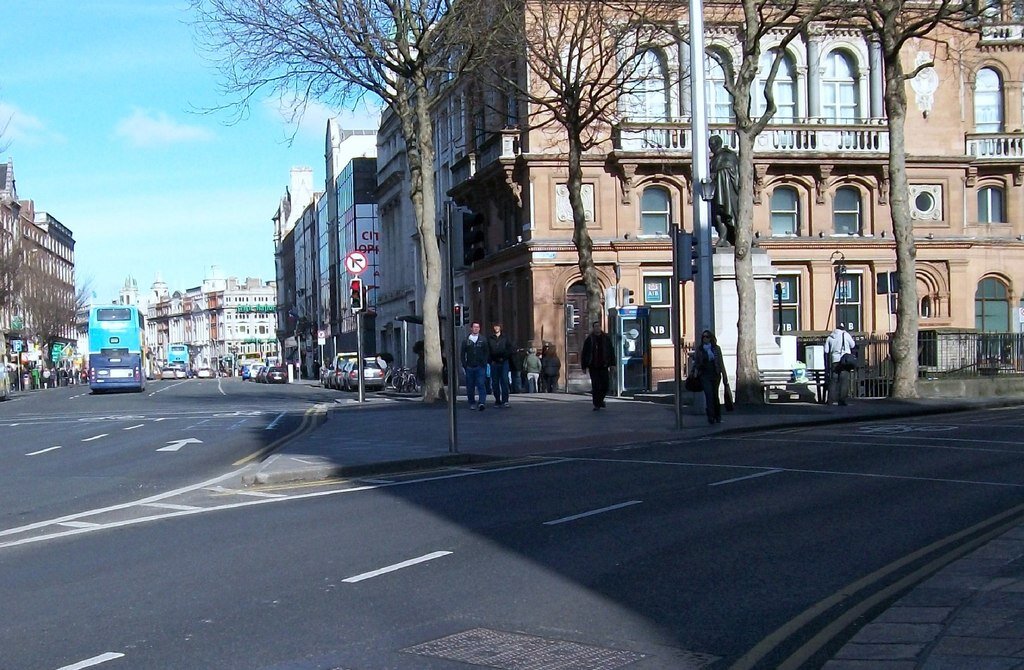
While much of Ireland is rural, its cities are vibrant centers of activity. The largest is Dublin, the capital of the Republic of Ireland, located on the east coast. It's a bustling hub of commerce and culture, situated where the River Liffey meets the Irish Sea.
On the south coast lies Cork, the country's second-largest city. Its large natural harbor has made it an important port for centuries. The city center is built on an island in the River Lee, giving it a unique layout.
To the west is Galway, a lively city known for its arts scene. It sits on the River Corrib and serves as a gateway to the wild landscapes of Connemara and the Aran Islands.
Natural Wonders
Ireland's natural landscapes are a major draw. Perhaps the most famous are the Cliffs of Moher in County Clare. These dramatic sea cliffs stretch for about 14 kilometers (9 miles) and rise up to 214 meters (702 feet) above the Atlantic Ocean, offering breathtaking views.
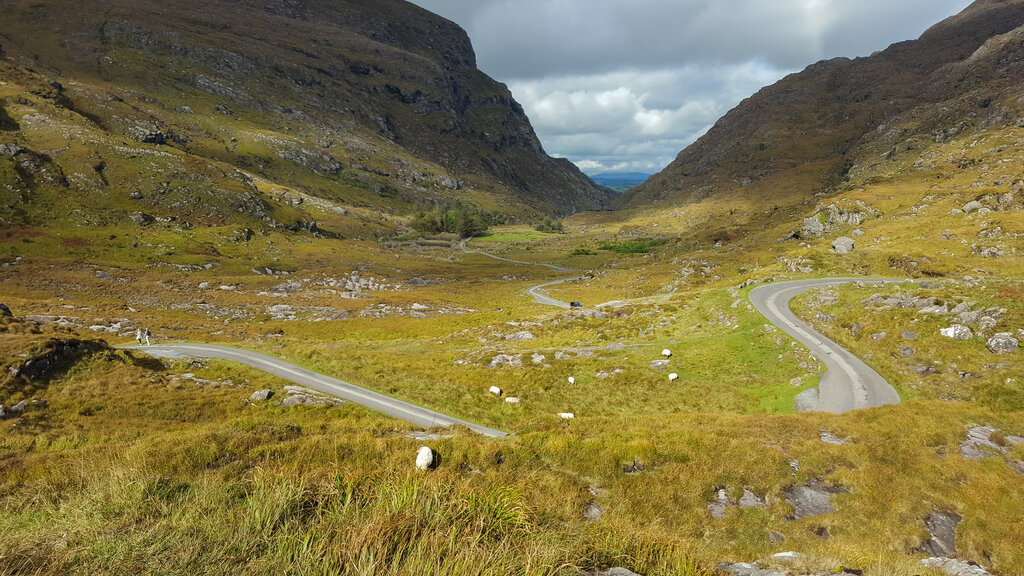
Further south, in County Kerry, is Killarney National Park. This was Ireland's first national park and is home to a stunning combination of mountains, lakes, woodlands, and waterfalls. The famous Lakes of Killarney are at the park's heart, surrounded by rugged peaks.
Historic Landmarks
The Irish landscape is dotted with historical sites that tell the story of its long past. The Rock of Cashel, located in County Tipperary, is a prime example. This spectacular group of medieval buildings is set on a prominent limestone outcrop, visible for miles around. It includes a high cross, a chapel, a cathedral, and a tower.
Another iconic site is Blarney Castle in County Cork. While the castle itself is a formidable ruin, it's most famous for the Blarney Stone. Legend has it that kissing the stone bestows the gift of eloquence.
From bustling cities to windswept cliffs and ancient ruins, Ireland's geography offers a remarkable variety of places to explore.
Ready to test your knowledge of Ireland's geography?
The island of Ireland is politically divided into two parts: the Republic of Ireland and which other entity?
Due to its famously green landscape, Ireland is often referred to by what nickname?
This overview provides a starting point for understanding the physical and human geography of Ireland, setting the stage for exploring its many attractions.