Discover Delicious Japanese Cuisine
Introduction to Japanese Cuisine
More Than Just Food
Japanese cuisine is an art form where every detail matters. It's not just about satisfying hunger; it’s a way of experiencing nature and the changing seasons. The focus is on the natural flavors of ingredients, using minimal seasoning to let the quality of the food shine through.
Japanese cuisine is about more than just eating; it’s a holistic approach to wellness that encompasses mindfulness, balance, and a connection to nature.
This philosophy is built on a few core principles that you'll see again and again. Let's start with one of the most important concepts in Japanese cooking: the fifth taste.
The Fifth Taste
You probably know the four basic tastes: sweet, sour, salty, and bitter. But Japanese cuisine places huge importance on a fifth taste, one that provides a savory, rich, and mouth-watering sensation.
umami
noun
The fifth basic taste, described as savory and rich. It is characteristic of broths and cooked meats.
Umami is the deep, savory flavor you find in foods like mushrooms, ripe tomatoes, aged cheese, and soy sauce. In Japan, it’s often created using dashi, a simple broth made from kombu (seaweed) and katsuobushi (dried bonito flakes). This broth forms the base for countless dishes, including miso soup and noodle bowls, providing a foundation of rich, savory flavor.
Think of umami as the foundation of flavor in many Japanese dishes. It adds depth and satisfaction without overpowering the other ingredients.
Celebrating the Seasons
Another core principle is eating with the seasons. The Japanese concept of shun (旬) is the idea that food should be eaten at its peak, when it is most flavorful and abundant.
season (for food)
This means the menu changes throughout the year. Spring might bring tender bamboo shoots and strawberries. Summer is the time for sweet corn and eggplant. In autumn, you'll find chestnuts and sweet potatoes, while winter offers hearty daikon radish and citrus fruits.
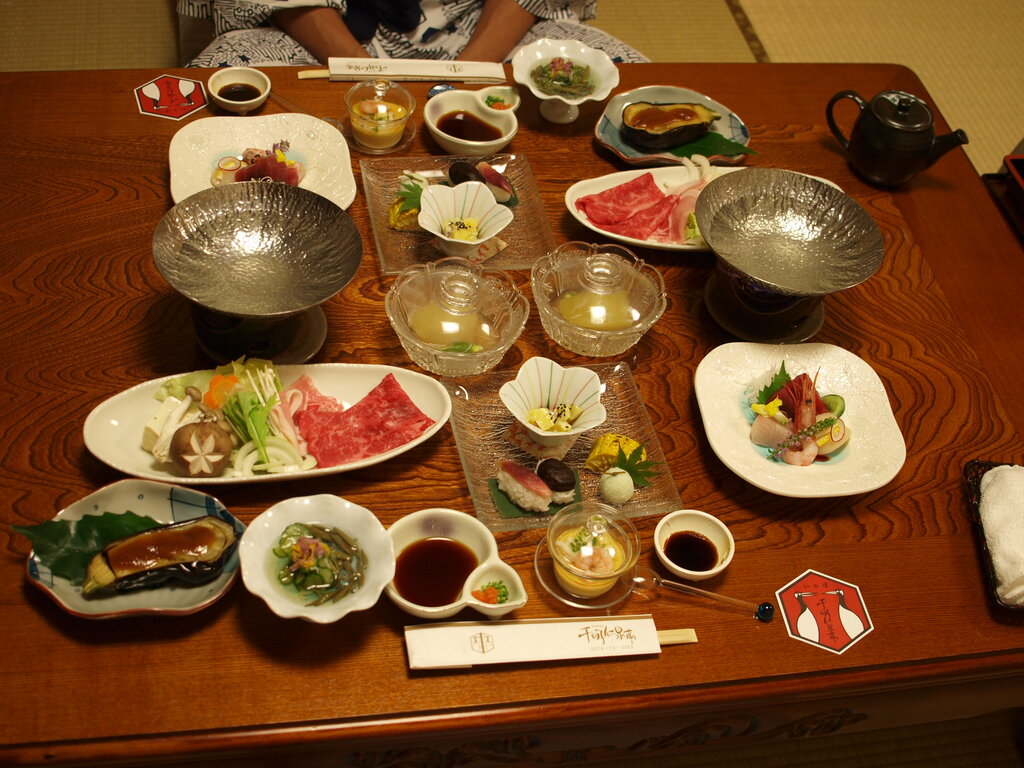
This respect for seasonality extends to seafood as well. Different fish and shellfish are at their best during specific times of the year, and a good chef will always feature what's freshest and in season.
The Staples
Two ingredients are absolutely central to Japanese cuisine: rice and seafood.
Rice is more than just a side dish; it's the heart of the meal. The word for cooked rice, gohan (ご飯), is also the general word for "meal," which shows how vital it is to the culture. The quality of the rice, from its texture to its subtle sweetness, is taken very seriously.
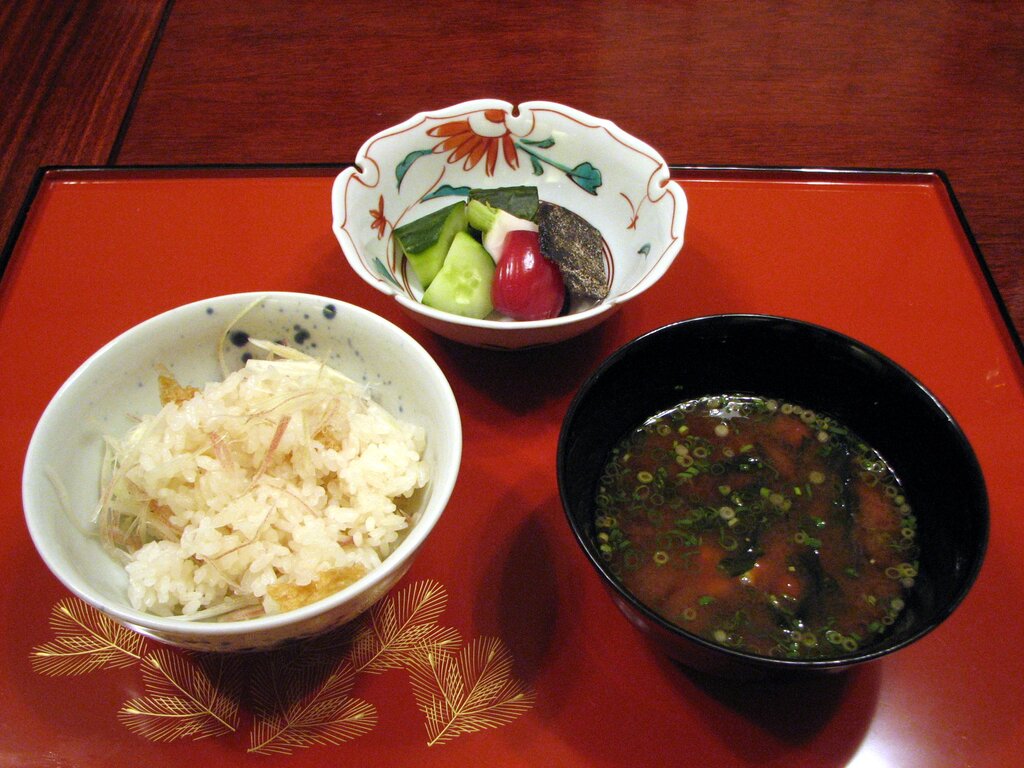
As an island nation, Japan has a deep connection to the sea. Seafood is a primary source of protein, enjoyed in countless ways: grilled, simmered, fried, and, of course, raw as sashimi and sushi. The emphasis is always on freshness, highlighting the natural flavor and texture of the fish.
A Feast for the Eyes
In Japanese cuisine, how food looks is just as important as how it tastes. Presentation is an art. Dishes are carefully arranged to be beautiful and balanced, considering color, shape, and texture.
Visual appeal is inseparable from taste in Japanese food.
This involves using a variety of small, different-shaped bowls and plates. Food is arranged to create a sense of harmony and natural beauty, often with empty space on the plate to draw attention to the ingredients. The goal is to create a dining experience that engages all the senses.
These principles of umami, seasonality, respect for ingredients, and beautiful presentation are the foundation of Japanese cooking. Understanding them is the first step to appreciating the depth and artistry of this incredible cuisine. Ready to test your knowledge?
What is the "fifth taste" that is a cornerstone of Japanese cuisine, known for its savory and rich quality?
The Japanese concept of shun (旬) refers to which core principle of cooking?
That's a brief look at the core ideas behind Japanese cuisine. It's a culinary world built on balance, respect for nature, and a deep appreciation for the simple, perfect flavors of seasonal ingredients.