Discover Cartagena Colombia
Introduction to Cartagena
Where Worlds Meet
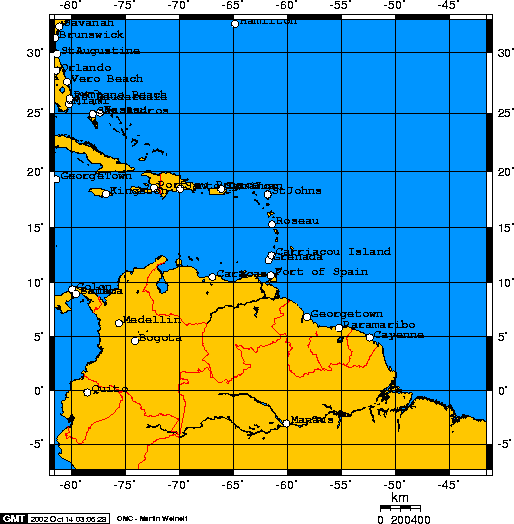
Cartagena sits on the northern coast of Colombia, right on the edge of the Caribbean Sea. This prime location wasn't an accident. For centuries, it was one of the most important links between the Old World of Europe and the New World of the Americas. Its deep, protected bay made it a perfect harbor for ships crossing the Atlantic.
A Fortress of Gold and Stone
During the Spanish colonial era, Cartagena was a key port city. Gold and silver mined from across the continent were stored here before being shipped to Spain. This immense wealth made the city a tempting target for pirates and rival powers.
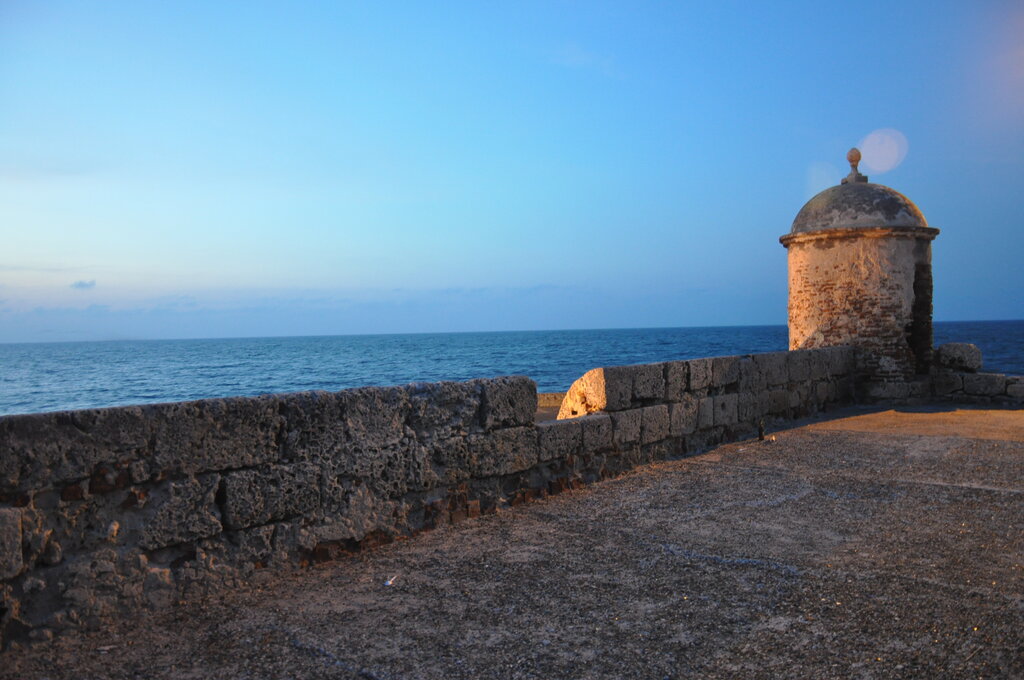
To protect its treasures, the Spanish crown invested heavily in Cartagena's defense. Over nearly 200 years, they built a massive system of walls, forts, and castles around the city. These fortifications were among the most impressive in the Americas, turning Cartagena into a formidable stronghold.
A Treasure for the World
Today, Cartagena's historical importance is recognized globally. In 1984, its walled city and fortress were designated a UNESCO World Heritage site. This title is given to places of special cultural or physical significance to the common heritage of humanity.
Cartagena earned this honor because its colonial architecture and extensive military fortifications are exceptionally well-preserved. They stand as a remarkable testament to the military engineering and colonial town planning of the 16th, 17th, and 18th centuries.
Let's review what makes Cartagena so unique.
What geographical feature made Cartagena a crucial port for the Spanish Empire?
During the colonial era, Cartagena served as a key storage and shipping point for ______ before it was sent to Spain.
Now that we have a basic understanding of Cartagena's place in the world, we can begin to explore the stories held within its walls.