Discover Austria
Geography
A Landlocked Heart
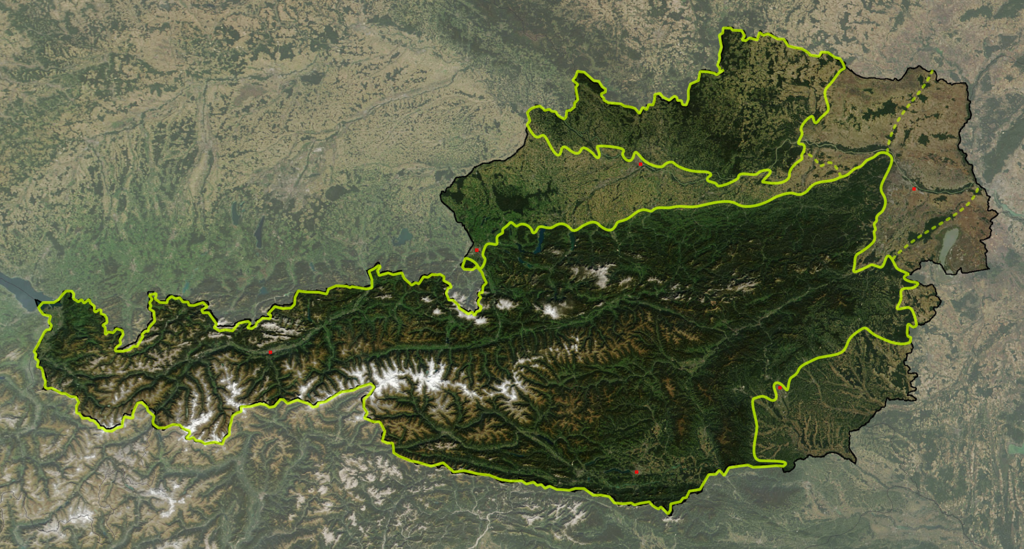
Austria is situated right in the heart of Central Europe. It’s a landlocked country, meaning it has no coastline. This central position has historically made it a crossroads for trade and travel across the continent.
It shares borders with eight different countries: Germany and the Czech Republic to the north, Slovakia and Hungary to the east, Slovenia and Italy to the south, and Switzerland and Liechtenstein to the west. This ring of neighbors gives Austria a diverse blend of cultural and economic connections.
The Alpine Republic
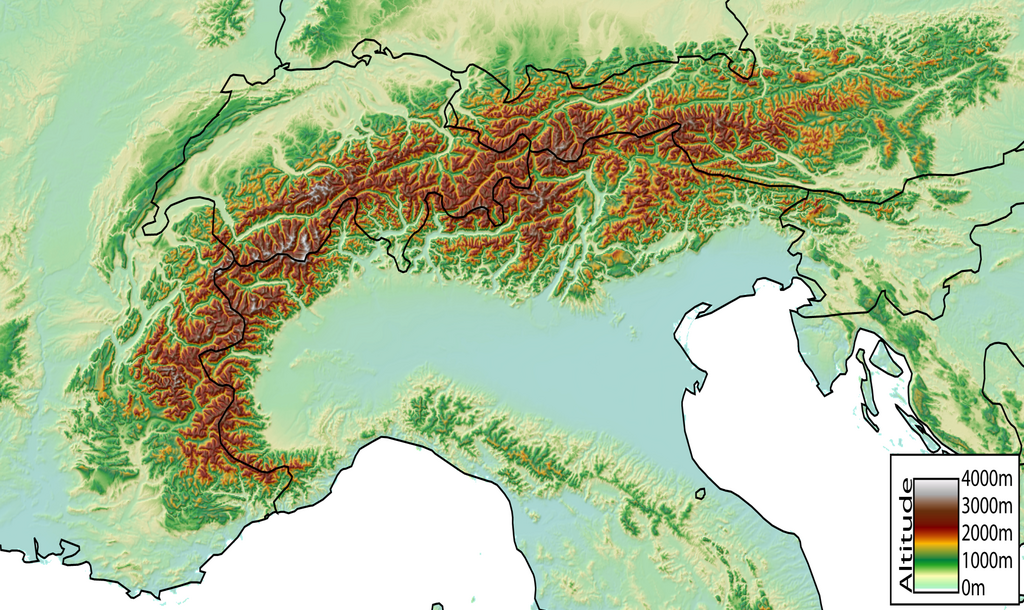
When you think of Austria's landscape, you should think of mountains. The Alps dominate the country, covering nearly two-thirds of its territory, particularly in the west and south. This is why Austria is often called the "Alpine Republic."
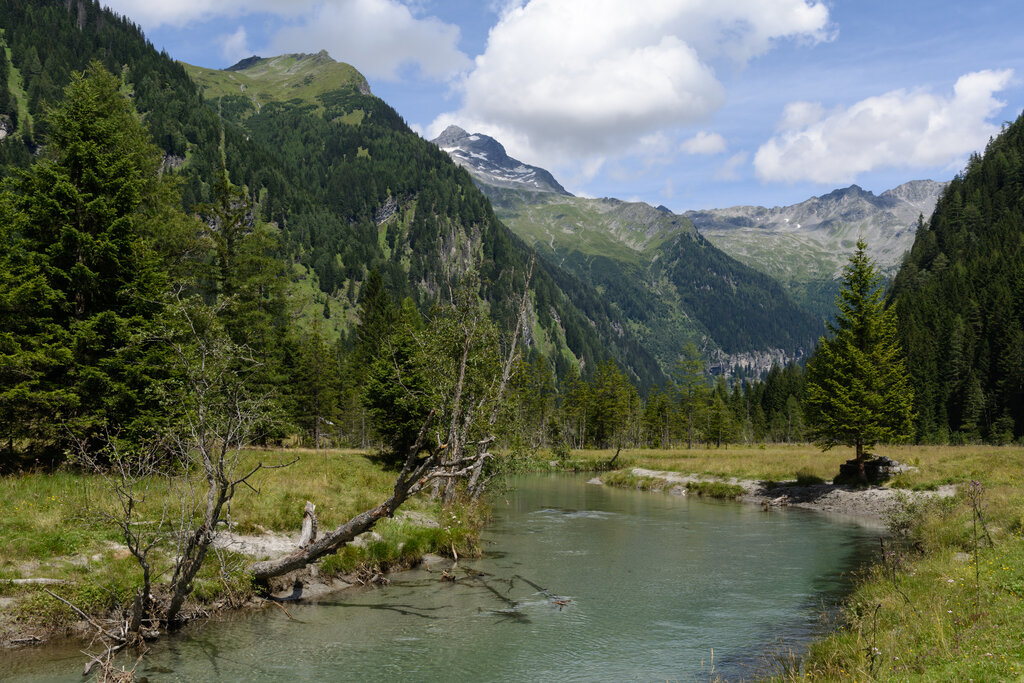
These mountains are divided into several ranges, including the Central Alps, which contain Austria's highest peak, the Grossglockner, and the Northern and Southern Limestone Alps. The landscape is carved by deep valleys and high plateaus, creating breathtaking scenery.
In contrast, the eastern and northern parts of the country are much flatter. The Alpine Foreland, a region of rolling hills, lies north of the Alps. Further east, you'll find the Vienna Basin, a large lowland area where the capital city is located. Most of Austria's population lives in these lower regions, where the terrain is more suitable for agriculture and urban development.
Waterways and Lakes
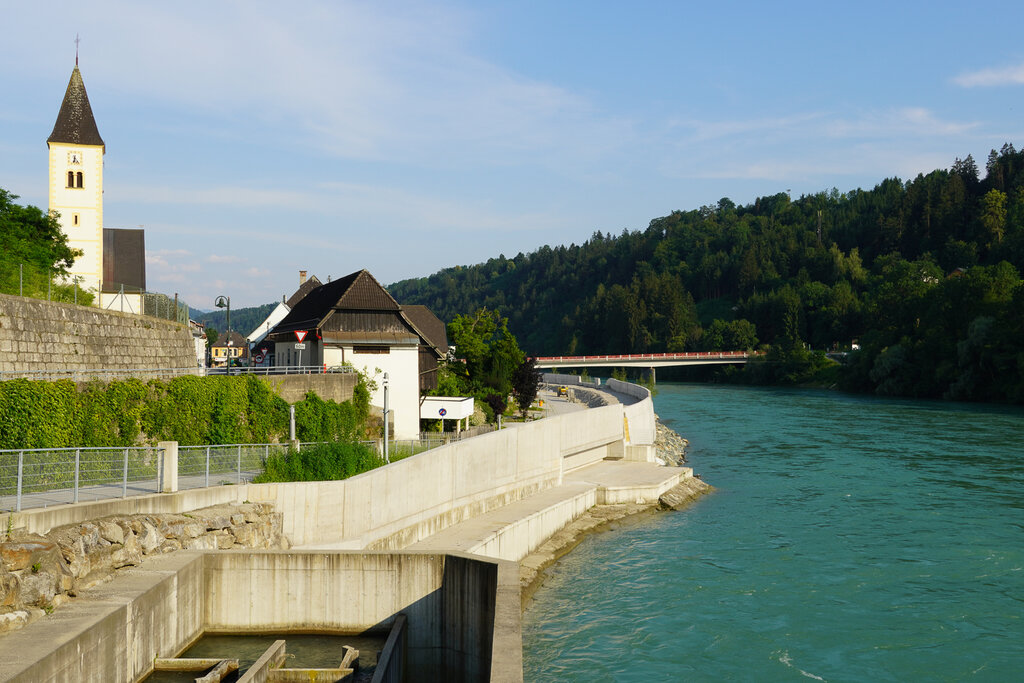
The Danube is Austria's most important river. It flows from west to east across the northern part of the country, passing through cities like Linz and Vienna. As one of Europe's major waterways, it has been a vital corridor for trade and transportation for centuries. Other significant rivers, such as the Inn, Mur, and Drau, flow from the Alps, feeding into the Danube or other river systems.
Austria is also famous for its beautiful lakes, many of which were formed by glaciers during the last ice age. The Salzkammergut region, also known as the Lake District, is particularly famous for its crystal-clear lakes surrounded by mountains. These lakes are major attractions for tourism and recreation.
Climate and Resources
Austria's climate is a mix. The lowlands in the east and north have a temperate continental climate with warm summers and cold winters. In the mountainous regions, an alpine climate prevails, characterized by shorter summers and long, snow-filled winters. This variation affects everything from what crops can be grown to where people choose to live and vacation.
The country is rich in certain natural resources. Forests cover almost half of the land, making timber a valuable export. Austria also has significant deposits of iron ore, magnesite, and other minerals. Perhaps most importantly, the mountainous terrain and abundant rivers provide immense potential for hydroelectric power, making it a key source of renewable energy for the country.
Let's review what you've learned about Austria's physical landscape.
Which of the following countries does NOT share a border with Austria?
What is the primary reason why most of Austria's population lives in the eastern and northern parts of the country?
Austria's geography, from its central location and Alpine peaks to its fertile lowlands and powerful rivers, has shaped its identity and development.