Disco Production Techniques
Disco Origins
The Birth of the Beat
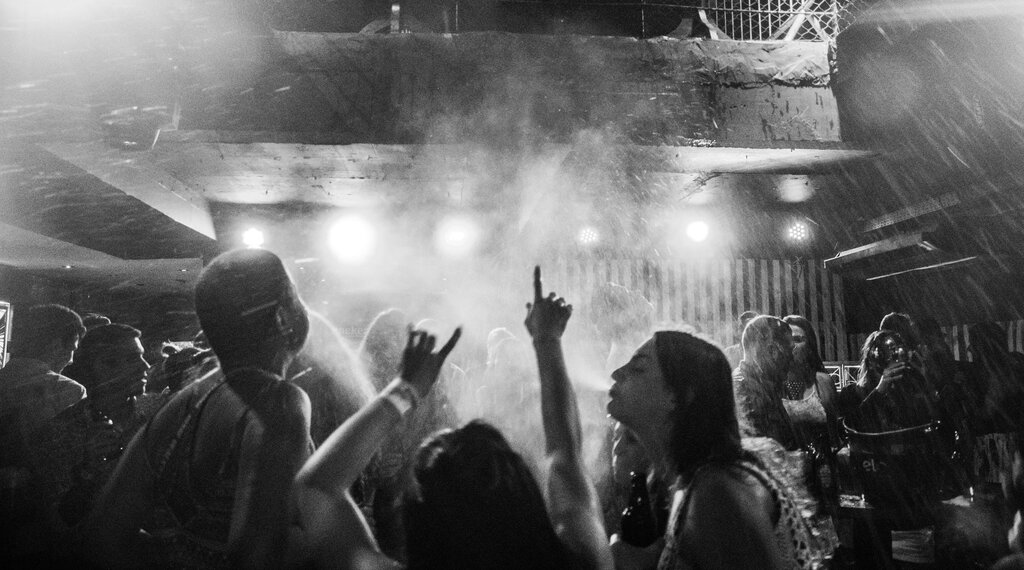
Disco didn't just appear out of thin air. It grew from the ground up, in the clubs and dance floors of New York City and Philadelphia during the late 1960s and early 1970s. These spaces were sanctuaries for communities often pushed to the margins: African-Americans, Latinos, Italian-Americans, and the LGBTQ+ community. Nightlife offered a place for expression and freedom, and the music reflected that.
Disco, born from the vibrant dance scenes in LGBTQ+ and Black communities, shook the 1970s with its upbeat tempo and lively nightlife culture.
Before disco became a global phenomenon, it was the soundtrack of the underground. DJs in these clubs weren't just playing songs; they were creating an experience. They stitched together records to keep the energy high and the dance floor full, creating a continuous wave of music. This focus on nonstop dancing was a crucial ingredient in disco's DNA.
The Sound of Soul and Funk
The music itself was a rich blend of existing genres. Disco took the lush string arrangements and soulful vocals of Philadelphia Soul, the driving, syncopated basslines of funk, and the experimental production of psychedelic soul, and fused them into something new.
Artists like The O'Jays and Harold Melvin & the Blue Notes, staples of the Philly Soul sound, produced tracks that laid the groundwork for disco. Their songs had the sophisticated orchestration and emotional punch that would become disco hallmarks. At the same time, the raw, rhythmic power of funk artists provided the beat that made the music so irresistible for dancing.
| Artist | Key Track | Its Contribution |
|---|---|---|
| Manu Dibango | "Soul Makossa" (1972) | Introduced influential Afro-funk rhythms. |
| The O'Jays | "Love Train" (1972) | A prime example of upbeat Philly Soul. |
| Harold Melvin & the Blue Notes | "The Love I Lost" (1973) | Often cited as one of the first true disco songs. |
| Barry White | "Love's Theme" (1973) | Showcased lush, sweeping instrumental arrangements. |
These early tracks weren't always labeled 'disco' at the time, but they contained the essential elements: a strong four-on-the-floor beat, soaring melodies, and a production style designed to make people move. They were the bridge from the sounds of the 60s to the defining beat of the 70s.
Understanding these roots in marginalized communities and musical traditions is key to grasping what disco was all about. It was more than just catchy music; it was a cultural movement born from a desire for celebration and belonging.