Disability Inclusion Principles
Understanding Disability
What Is a Disability?
A disability is a physical or mental condition that can make it harder for a person to do certain activities or interact with the world around them. It's an incredibly broad term, covering a wide range of human experiences. Far from being a rare occurrence, disability is a natural part of human diversity. It can be permanent, temporary, or situational. Someone might be born with a disability, or acquire one later in life through an accident or illness.
| Category | Description | Examples |
|---|---|---|
| Physical | Affects a person's mobility or physical functioning. | Using a wheelchair, having a limb difference, chronic pain. |
| Sensory | Impacts one of the senses, most commonly sight or hearing. | Being blind or low-vision, being Deaf or hard of hearing. |
| Intellectual | Involves challenges with intellectual functioning and adaptive behavior. | Down syndrome, Fragile X syndrome. |
| Mental Health | Affects a person's mood, thinking, and behavior. | Depression, anxiety disorders, schizophrenia, PTSD. |
These categories often overlap, and no two people experience disability in the same way. The key is to recognize that disability isn't a flaw, but simply a different way of being.
Shifting the Focus
Traditionally, society has viewed disability through a medical model. This perspective sees the disability as a problem residing within the individual—something that needs to be 'fixed' or cured. If a person who uses a wheelchair can't get into a building, the medical model views the person's inability to walk as the problem.
A more modern and inclusive approach is the social model of disability. This framework proposes that disability is created by society, not by a person's impairment. The problem isn't the individual, but the barriers in the environment and the attitudes of others.
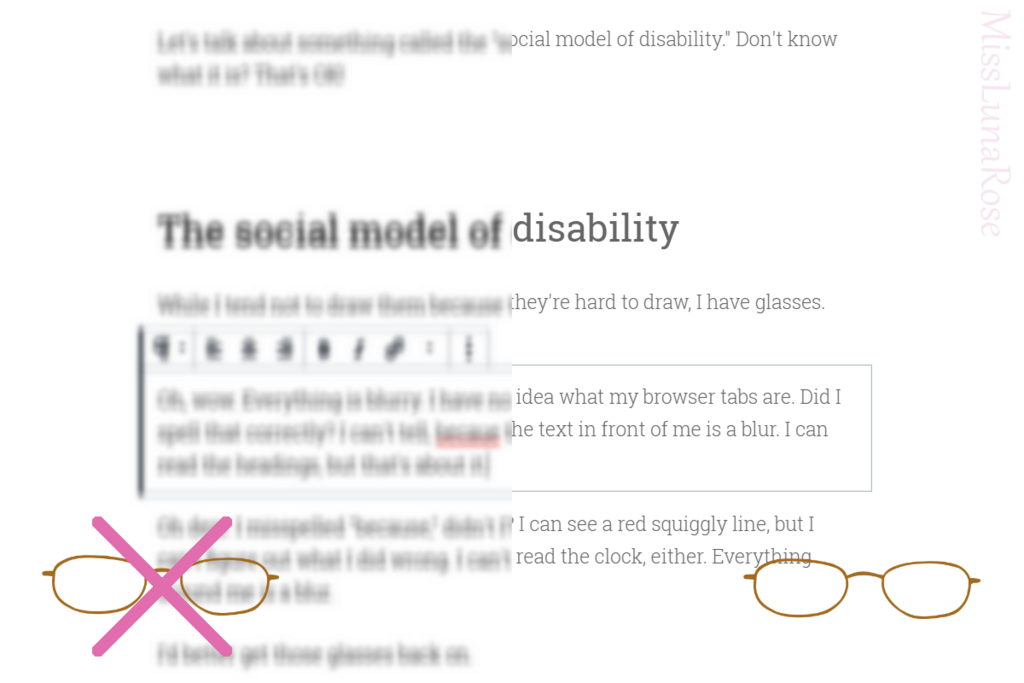
In the social model, if a person who uses a wheelchair can't get into a building, the problem isn't their inability to walk. The problem is that the building was designed with only stairs and no ramp. The barrier is the inaccessible design. By removing the barrier—by building a ramp—the 'disability' in that context disappears.
The social model says that people are disabled by barriers in society, not by their impairment or difference.
Barriers and Challenges
When we look through the lens of the social model, we can see that people with disabilities face many challenges created by society. These barriers can be sorted into a few main types.
Attitudinal Barriers
noun
Stereotypes, prejudice, and stigma. These are assumptions people make about what a person with a disability can or cannot do.
An example of an attitudinal barrier is underestimating someone's capabilities at work because they have a mental health condition.
Environmental barriers are physical obstacles in natural or man-made spaces. This could be a lack of curb cuts on sidewalks, no audio signals at crosswalks, or poor lighting in a room for someone with low vision.
Finally, institutional barriers include laws, policies, practices, or strategies that discriminate against people with disabilities. This might be a company that refuses to provide a screen reader for an employee who is blind, or a school that doesn't offer materials in alternate formats.
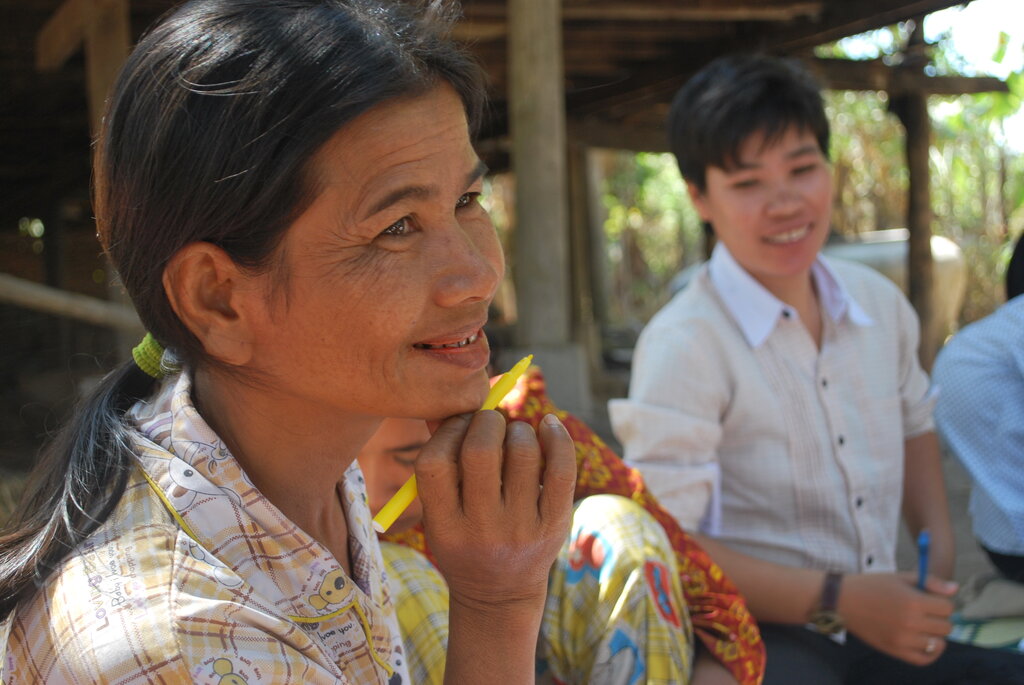
These barriers can prevent people from participating fully in their communities, getting an education, finding a job, or accessing healthcare. Recognizing these barriers is the first step toward creating a more inclusive and equitable world.
Listen to and Amplify Disabled Voices: Centre the voices and experiences of individuals with disabilities in conversations about ableism and disability rights.
Time to check what you've learned.
A public library has no ramp at its main entrance, only stairs. According to the medical model of disability, what is the primary problem?
A hiring manager assumes a candidate who is deaf would be unable to perform a job that involves client communication, and therefore does not hire them. This is an example of which type of barrier?
Understanding that disability is a social issue, not a personal deficit, is the foundation for building environments where everyone can belong and thrive.