Disability Inclusion Mastery
Understanding Ableism
What is Ableism?
Ableism is a set of beliefs or practices that devalue and discriminate against people with physical, intellectual, or psychiatric disabilities. At its core, it's the assumption that able-bodied individuals are the norm and superior.
ableism
noun
Discrimination and social prejudice against people with disabilities based on the belief that typical abilities are superior.
Like racism or sexism, ableism isn't just about individual prejudice. It's often baked into our culture, laws, and physical environments. It can show up in obvious ways, but more frequently, it appears in subtle attitudes and structural barriers that we may not even notice.
The Forms of Ableism
Ableism isn't a single type of behavior. It exists on a spectrum from hostile, intentional acts to unintentional slights and unexamined societal norms.
Overt Discrimination is the most obvious form. This includes actions like refusing to hire a qualified candidate because they have a disability, denying someone housing, or openly mocking a person for their condition.
Microaggressions are more subtle. These are everyday comments or questions that can be hurtful, even if the person saying them doesn't have malicious intent. They often stem from stereotypes or a lack of understanding.
Examples of microaggressions include saying, "You're so inspirational for just getting out of bed," or asking an invasive question like, "What's wrong with you?"
Systemic ableism refers to the barriers embedded in the fabric of society. This happens when systems are designed for able-bodied people without considering the needs of those with disabilities. Think of public transit systems without accessible announcements for visually impaired passengers, or complex application forms that are difficult for people with cognitive disabilities to navigate.
Historical Context
Ableism has deep roots. Historically, societies have often segregated and mistreated people with disabilities. For centuries, many were confined to institutions, hidden away from public life. This history was often driven by a 'medical model' of disability, which viewed disability as a personal defect that needed to be 'fixed' or cured.
More recently, disability rights advocates have championed a 'social model' of disability. This model argues that people are disabled by society's barriers, not by their impairments. A person who uses a wheelchair isn't disabled by their inability to walk, but by a building that lacks a ramp. This shift in perspective is crucial for understanding and dismantling ableism.
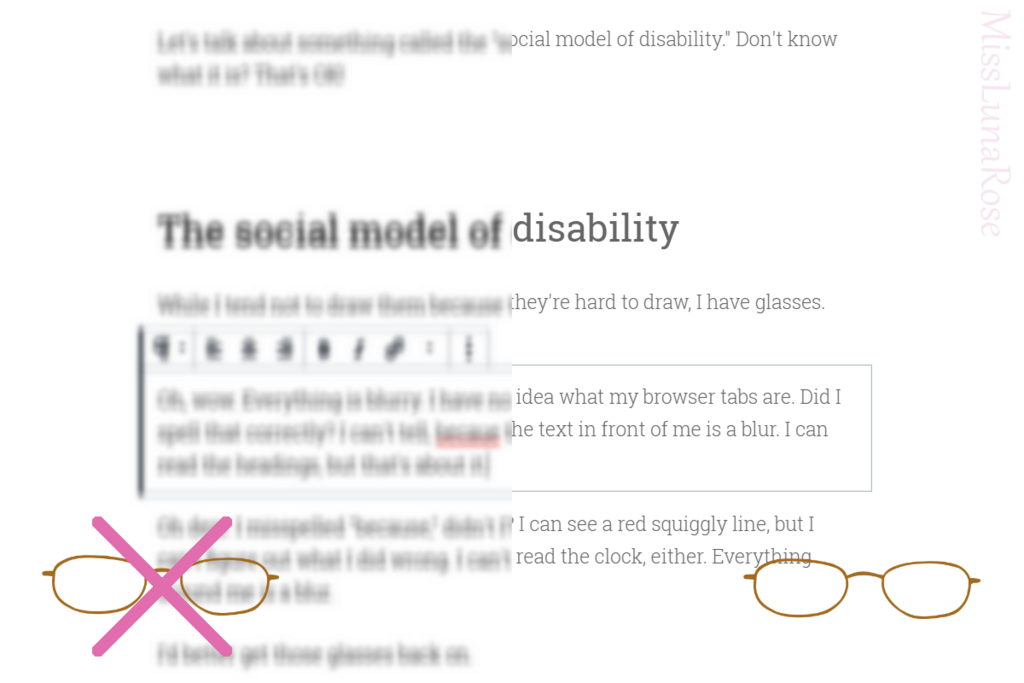
The impact of these historical views is still felt today. It shows up in stereotypes, lower expectations, and the persistent struggle for equal access and rights. Understanding this history helps explain why ableism remains a powerful force.
Recognizing and Addressing Ableism
Challenging ableism starts with awareness. It means recognizing it in our own thoughts and actions, as well as in the world around us. This isn't about blame, but about a commitment to learning and doing better.
Self-awareness is important within disability studies for students with disabilities—and for clinicians in general—because as we are taught that self-awareness allows us to be aware of the influence of our own countertransference and biases.
One of the most important steps is to listen to people with disabilities. Their lived experiences are the most valuable source of information about what ableism looks like and how it feels. This means prioritizing their voices in conversations about accessibility and inclusion.
We can also actively challenge ableism in our language. This includes avoiding terms that are outdated or offensive, and using person-first language (e.g., "a person with a disability") or identity-first language (e.g., "a disabled person") based on individual preference.
Ultimately, addressing ableism requires a commitment to creating a more inclusive world. It means advocating for accessible design, pushing for fair policies, and standing up against discrimination wherever we see it. It's an ongoing process of education and action.