Directing vs Voice Over Interviewing
Understanding Directing
The Director's Vision
Think of a film director as the conductor of an orchestra. While every musician plays their part, the conductor guides the tempo, shapes the emotion, and ensures every note contributes to a single, unified performance. A director does the same for a film, steering the entire production to bring a story to life on screen.
The director is the primary creative force behind a film. They are involved in every stage of the process, from the initial concept to the final cut. Their job is to make thousands of creative decisions that ultimately define the film's look, feel, and narrative.
From Page to Screen
A director's work is typically broken down into three phases:
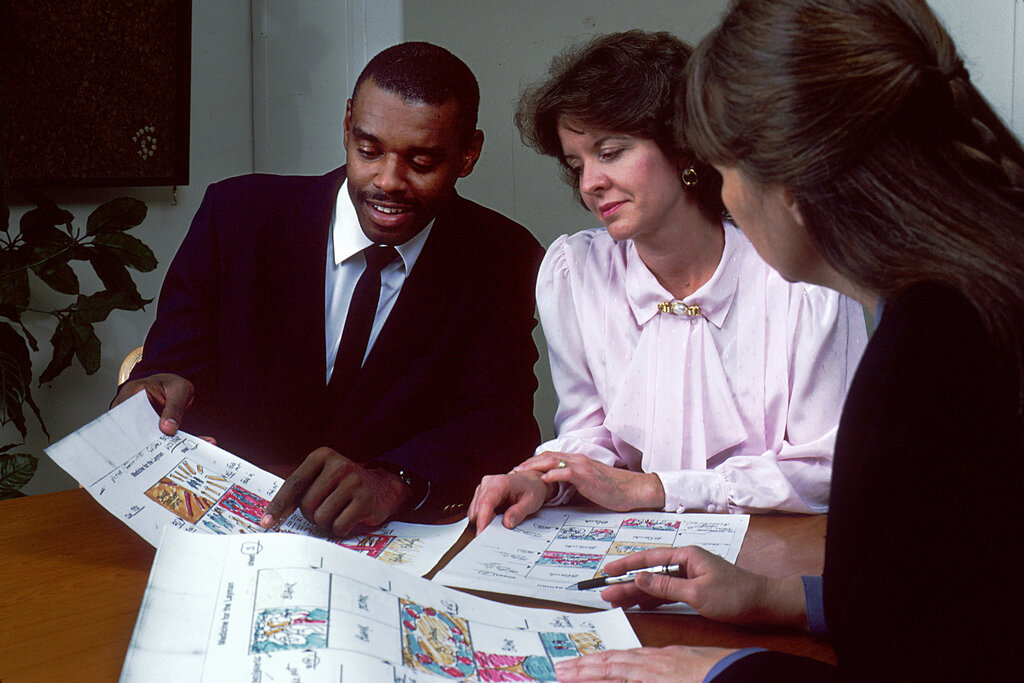
1. Pre-production: This is the planning stage. Before a single frame is shot, the director works with the screenwriter to refine the script. They cast the actors, scout locations, and collaborate with the production designer to determine the visual style. They also work with the cinematographer to create a shot list and storyboards, which are like a comic book version of the film that maps out every scene.
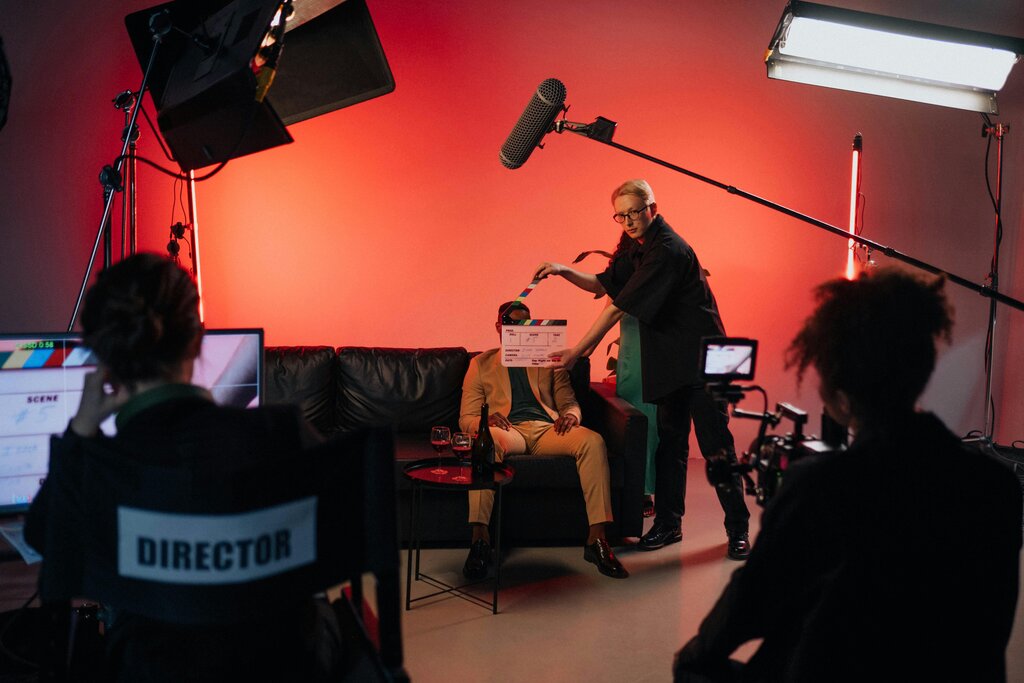
2. Production: This is the actual filming. On set, the director guides the actors' performances, helping them understand their characters' motivations and emotions. They work closely with the cinematographer to frame shots, choose camera angles, and create the desired lighting. The director is the final authority on set, making sure every department is aligned with the creative vision.
3. Post-production: Once filming wraps, the director moves into the editing room. Here, they work with the editor to assemble the raw footage into a coherent story. They oversee sound design, musical scoring, and visual effects, ensuring all these elements support the narrative and emotional tone of the film.
More Than a Megaphone
Being a successful director requires more than just a good eye. It demands a specific set of skills to manage the complex and often chaotic environment of a film set.
Leadership is the ability to inspire a large group of artists and technicians to work together toward a single goal. A film set can be a high-pressure environment, and the director's confidence and clarity set the tone for the entire crew.
Communication is just as crucial. A director must be able to articulate their vision clearly to dozens of different people, from actors to electricians. They need to translate abstract ideas like "a sense of unease" into concrete instructions about camera placement, lighting, or an actor's line delivery.
Effective communication and leadership are crucial for directors to navigate the complex web of relationships on set.
Finally, a director must be a decisive problem-solver. Things rarely go exactly as planned on a film shoot. Weather can turn, equipment can break, or a scene might not work as written. The director needs to think on their feet, make quick decisions, and find creative solutions without losing sight of the overall story.
Ready to test your knowledge about the role of a director?
According to the text, the director's role is analogous to that of a:
Which of these activities is a key part of a director's job during the pre-production phase?
Ultimately, the director is the storyteller. They use the tools of filmmaking—acting, cinematography, editing, and sound—to shape a narrative and create an experience for the audience.