Direct Response Mastery for Coaches and Consultants
Deep Empathy Research
Beyond the Surface-Level Avatar
Standard market research gives you an avatar. Deep empathy research gives you a human. For high-ticket coaching offers, selling to a generic profile—a 45-year-old entrepreneur who likes golf—is a waste of time. Your prospects aren't buying a simple solution; they're investing in a transformation, often for prices between $3,000 and $50,000. This level of investment requires immense psychological safety, which can only be built on a foundation of profound understanding.
This is where Level 3 insights come in. Forget basic demographics (Level 1) and generic pain points like "wants more time" (Level 2). Level 3 is about uncovering the secret language, unspoken fears, and hidden aspirations of your ideal client. It's knowing the internal jargon they use with peers, the specific failures they're terrified of admitting, and the precise flavor of skepticism they feel toward the coaching industry in 2025.
Foster deep empathy and genuine curiosity around customer pain points, and goals
How do you gather these insights without direct interviews? You become a digital anthropologist. Your research field is the niche communities where your prospects gather. Think private Slack channels, paid mastermind forums, and exclusive subreddits. Here, they speak candidly, using their own language.
Your most valuable data often comes from analyzing the negative reviews and failed launches of your competitors. Look for comments that say, "This was great, but it didn't address X." That "X" is an unmet emotional need, a gap in the market you can fill. You're not just looking for problems; you're looking for disappointment.
Frustration is a fingerprint. It points directly to a high-value, unmet expectation.
Mapping the Modern Skeptic
The modern high-ticket lead is educated and wary. They've likely invested in coaching before, and they may have been burned. Your copy must anticipate and neutralize their skepticism before it solidifies into an objection.
Through your research, you'll build a 'skepticism profile.' This profile documents their specific doubts. Is it a distrust of vague promises? A fear that the program won't apply to their unique industry? Or a weariness of the 'guru' persona? Knowing their precise skepticism allows you to address it proactively with targeted proof, specific case studies, and a tone that values intelligence over hype.
Chemical Copywriting: The DOSE Framework
Once you have these deep insights, you can move beyond persuasion and into connection. The goal isn't just to convince but to create a biochemical sense of trust. The DOSE framework uses principles of neurochemistry to guide your copy, triggering the release of key hormones that foster bonding and action.
| Hormone | Trigger | Copywriting Application |
|---|---|---|
| Dopamine | Anticipation of Reward | Use future-pacing to paint a vivid picture of the desired outcome. Tease valuable insights in your content to create a desire for more. |
| Oxytocin | Social Bonding & Trust | Tell relatable stories. Use the exact jargon you discovered in your research to create a feeling of "this person gets me." Share vulnerable testimonials. |
| Serotonin | Status & Pride | Position your client as the hero of their own story. Acknowledge their existing intelligence and success, framing your offer as the key to the next level. |
| Endorphins | Relief from Pain/Stress | Agitate their core problem with deep empathy, then immediately pivot to the relief your solution provides. Use humor to diffuse tension and create a feeling of ease. |
This isn't about manipulation. It's about aligning your message with the fundamental ways humans connect and feel safe. When your copy triggers the right chemical response, the sales pitch feels less like a pitch and more like a conversation with someone who truly understands.
Building the Empathy Map
Finally, you need a way to organize these Level 3 insights. A standard avatar document is insufficient. An Empathy Map is a visual, dynamic tool that synthesizes your research into a coherent psychological profile. It's divided into quadrants that capture what your ideal client is thinking, feeling, seeing, and hearing, as well as their ultimate pains and gains.
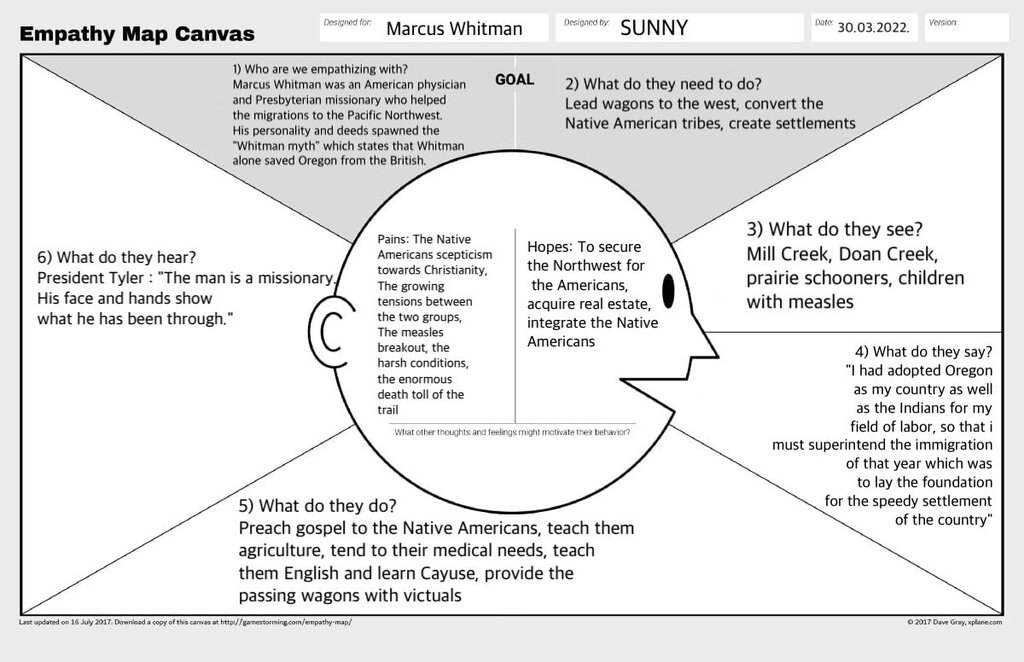
Populate this map with direct quotes, specific anxieties, and the exact terminology you've gathered. This document becomes your copywriting North Star. Every headline, email, and sales page should be filtered through it. Does this resonate with what they're secretly feeling? Does it counteract what they're hearing from skeptical peers? Answering these questions is the key to creating copy that doesn't just sell, but connects.
What distinguishes a Level 3 insight from a Level 2 insight when researching high-ticket coaching clients?
According to the text, what is the primary purpose of building a 'skepticism profile' for a potential high-ticket client?
This approach transforms research from a preliminary step into the core strategic work. It's how you build the unshakable trust necessary for a high-ticket investment.