Diploma in Shipping Management Essentials
Introduction to Shipping Industry
The World in a Box
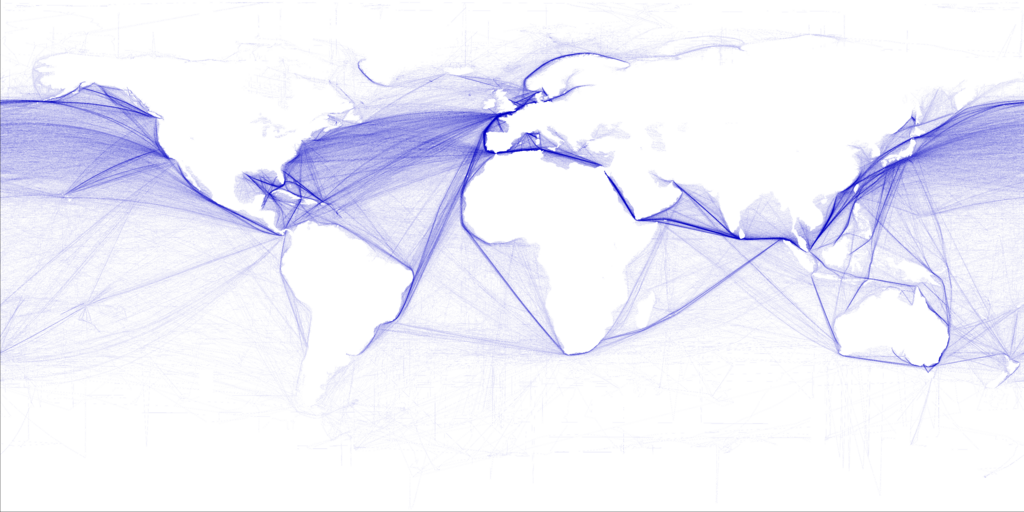
Look around you. The phone in your hand, the coffee in your mug, the clothes you're wearing—chances are, a ship brought them to you. The maritime shipping industry is the circulatory system of the global economy, a vast network of vessels and ports that moves the goods we rely on every day.
Maritime systems, including ships and ports, are critical components of global infrastructure, essential for transporting over 80% of the world's goods and supporting internet connectivity.
Without these floating giants, international trade would grind to a halt. Countries wouldn't be able to sell their products abroad or import essential resources. This global web of sea lanes connects producers with consumers on a scale that's hard to imagine.
A Ship for Every Cargo
Not all ships are created equal. The type of vessel used depends entirely on what's being transported. Specialized ships are designed for efficiency and safety, ensuring everything from crude oil to fresh bananas arrives in good condition.
| Vessel Type | Primary Cargo | Function |
|---|---|---|
| Container Ships | Manufactured Goods | Carry standardized steel boxes called containers. |
| Bulk Carriers | Grains, Coal, Ore | Transport large quantities of loose, unpackaged cargo. |
| Tankers | Oil, Gas, Chemicals | Move liquids and gases in bulk. |
| Ro-Ro Ships | Cars, Trucks, Machinery | Allow wheeled cargo to be rolled on and rolled off the ship. |
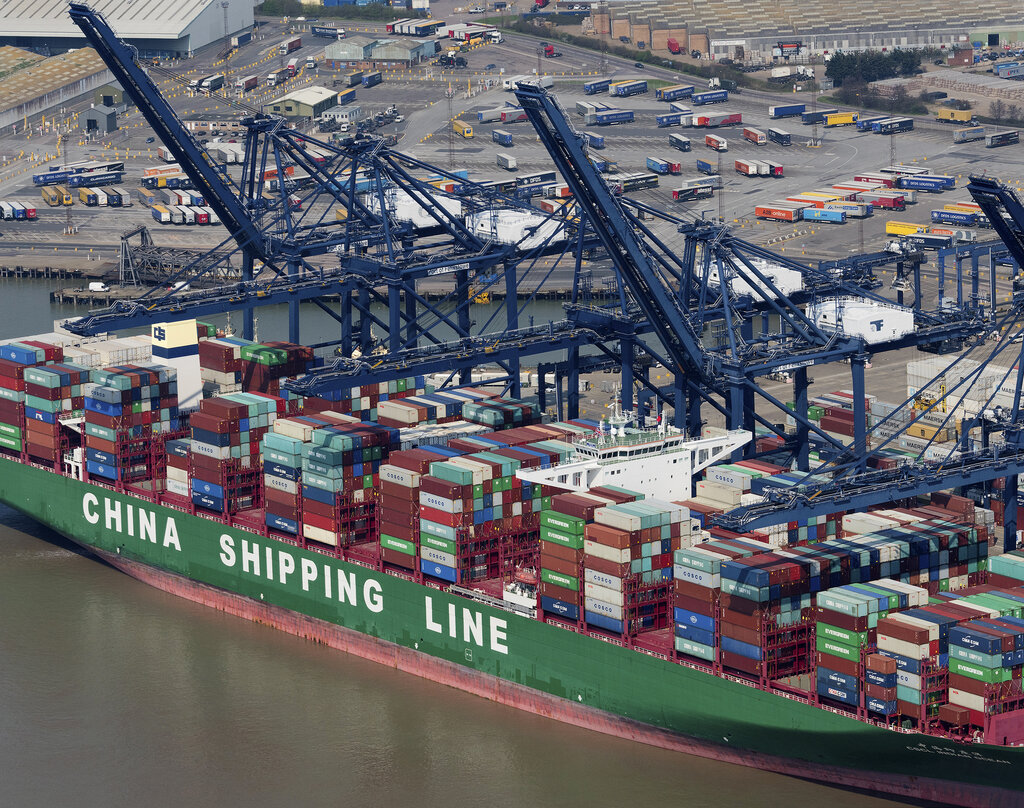
Container ships are perhaps the most recognizable. They carry the standardized twenty-foot equivalent unit (TEU) containers that can be easily transferred between ships, trains, and trucks. This innovation, known as containerization, revolutionized global trade by making it faster, cheaper, and more efficient.
The People Behind the Port
A single shipment involves a complex dance between many different players. Each stakeholder has a specific role in making sure cargo gets from its starting point to its final destination safely and on time. It's a global team effort.
Think of it like a relay race. The cargo is the baton, and each stakeholder is a runner responsible for a different leg of the journey.
Here are some of the key players you'll encounter:
- Shipowners: The individuals or companies that own the vessels. They are responsible for the ship's maintenance and crew.
- Charterers: A person or company that rents a ship to transport their cargo.
- Freight Forwarders: These are the travel agents for cargo. They organize the entire shipment on behalf of the shipper, from booking space on a vessel to handling documentation.
- Port Authorities: These government or semi-government bodies manage and operate the ports, overseeing traffic and infrastructure.
- Shipping Agents: They act as the shipowner's local representative, handling all the essential tasks when a ship arrives in port, like coordinating with customs and arranging for supplies.
shipper
noun
The person or company that is sending the goods. In other words, the owner of the cargo being transported.
To keep this entire system running smoothly, a lot of paperwork is required. One of the most critical documents is the Bill of Lading.
lading
noun
The action of loading cargo onto a ship.
A Bill of Lading (B/L) is a legal document issued by a carrier (like a shipowner) to a shipper. It details the type, quantity, and destination of the goods being carried. The B/L acts as a receipt for the shipment, a contract between the carrier and shipper, and a document of title, meaning whoever holds the original B/L has the right to claim the goods at the destination.
What is the primary role of the maritime shipping industry in the global economy?
Which of these key players in the shipping process rents a vessel to transport their goods?
From massive ships to the complex web of people who manage them, the shipping industry is the invisible engine that powers our world.