Dios Dinero Disciplina The Art of Productivity and Focus
Foundations of Spirituality
What Is Spirituality?
Spirituality is a broad and personal concept. At its heart, it’s about the human search for meaning, purpose, and a connection to something bigger than ourselves. This “something bigger” can be a divine being, the universe, nature, or even a deep sense of shared humanity.
Spirituality
noun
A personal or collective search for the sacred or transcendent, and the feelings, beliefs, and practices that arise from that search.
While spirituality and religion are often linked, they aren't the same. Religion is typically an organized system of beliefs, practices, and rituals shared by a community. Spirituality is more of an individual journey. A person can be religious and spiritual, just spiritual, or just religious. There’s no single right way to experience it.
Think of religion as a map that many people use to find their way. Spirituality is the personal journey itself, whether you use a map or chart your own course.
A Global Tapestry
Across the globe, spirituality takes countless forms, woven into the fabric of different cultures and traditions. It's a universal human experience, but its expression is beautifully diverse.
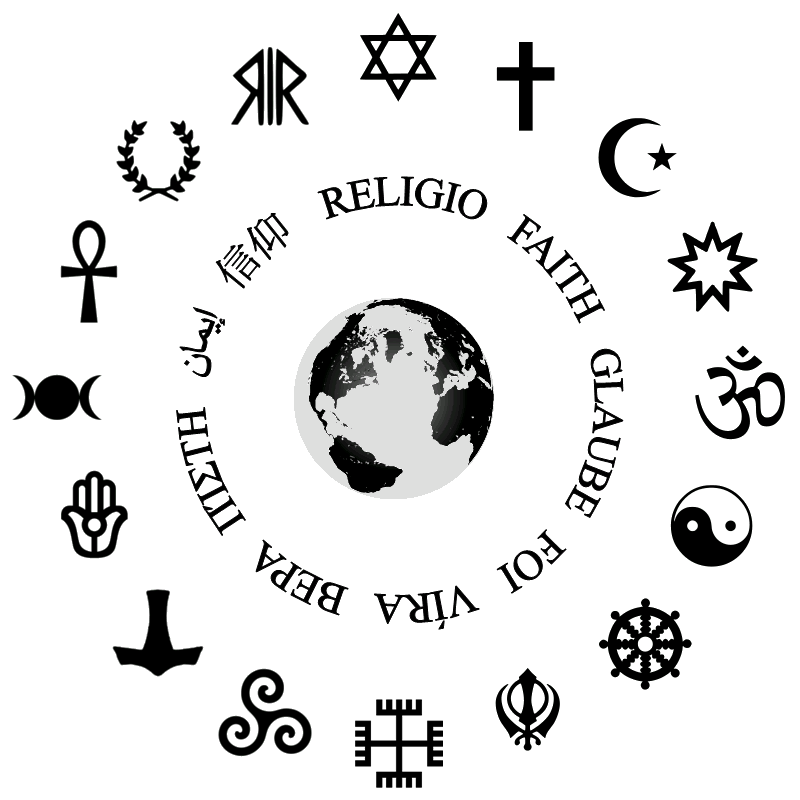
In many Eastern philosophies, such as Buddhism and Taoism, spirituality often emphasizes concepts like mindfulness, interconnectedness, and inner peace. The focus is on understanding the nature of the self and its relationship to the cosmos. In contrast, many indigenous cultures express spirituality through a deep, sacred connection to the land, ancestors, and the natural world. These traditions often see the spiritual and physical worlds as inseparable.
Abrahamic religions like Judaism, Christianity, and Islam frame spirituality around a relationship with a single, personal God, guided by sacred texts and community worship. Each tradition offers a unique path for connecting with the divine and living a meaningful life.
Each of these faiths has unique characteristics, teachings, and traditions, yet they share common themes of seeking truth, understanding the divine, and offering frameworks for ethical living.
Your Inner Compass
Beyond cultural traditions, spirituality plays a vital role in shaping our personal lives. It acts as an inner compass, helping to guide our values, ethics, and decisions. When you connect with a sense of purpose, your priorities often become clearer.
For many, spirituality provides a framework for answering life's big questions: Who am I? Why am I here? What is my place in the world? This search for meaning can be a powerful motivator, fostering resilience in the face of challenges and encouraging a greater sense of connection to others and the world at large.
Developing this side of yourself isn't about finding all the answers. It's about staying open to the questions and allowing them to guide you toward a more authentic and fulfilling life.
Ready to check your understanding?
What is the core concept of spirituality?
A person can be spiritual without being religious.
Understanding spirituality is the first step in a much larger journey of self-discovery and connection. It provides a foundation for building a life that feels both meaningful and uniquely yours.