Digitalization and Human Rights
Introduction to Digitalization and Human Rights
The Digital Double-Edged Sword
We live in a world increasingly run by digital tools. From the way we learn and work to how we connect with friends, technology is everywhere. This shift is often called 'digitalization.' It’s the process of using digital technology to change how we do things, whether that’s a business moving its records online or a government offering services through an app.
digitalization
noun
The use of digital technologies to change a business model and provide new revenue and value-producing opportunities; it is the process of moving to a digital business.
But this transformation isn't just about convenience. It has a profound impact on our fundamental human rights. Think of human rights as the basic freedoms and protections that belong to every single person, from the right to express your opinion to the right to privacy. These principles are universal, meaning they apply to everyone, everywhere.
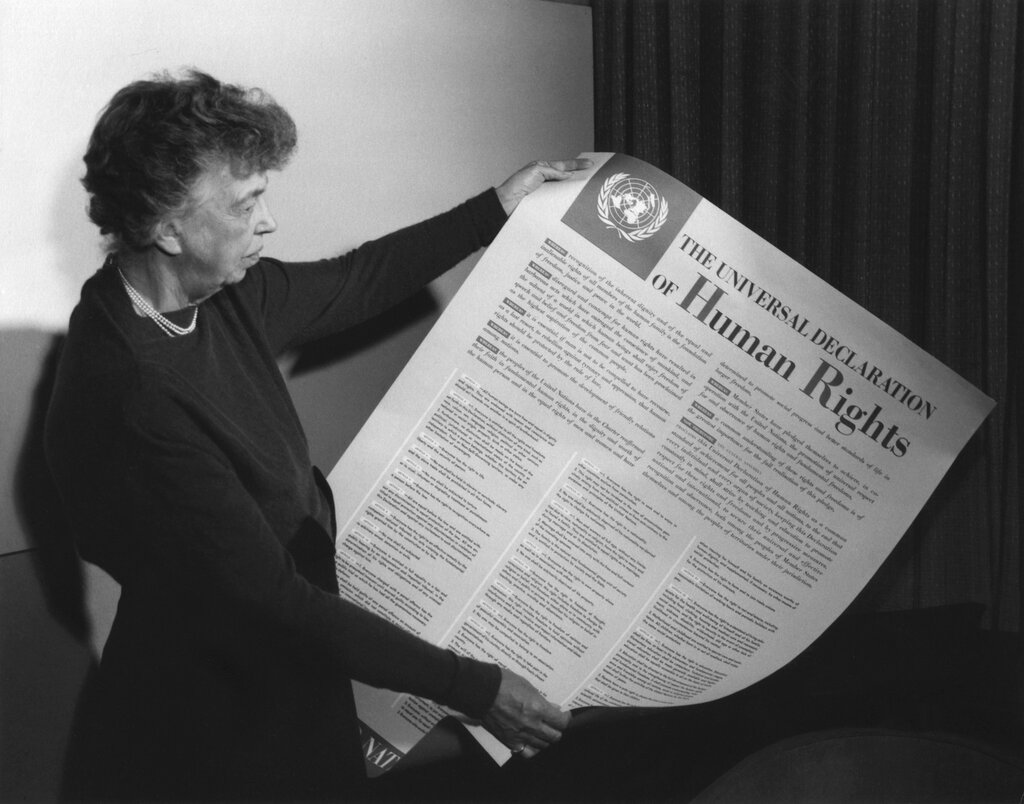
Digitalization acts as a powerful amplifier for these rights. At its best, it creates incredible opportunities for progress and freedom.
A Tool for Progress
The internet and social media have given a voice to billions. In places where traditional media is state-controlled, digital platforms can be the only way for people to share information freely and organize for social change. Citizen journalists can broadcast events in real-time, holding power to account in ways that were once impossible.
Digital tools also break down barriers to education and information. Someone in a remote village can access world-class university lectures, and essential health information can be distributed instantly during a crisis. This access empowers people, giving them the knowledge to improve their lives and participate more fully in society.
When people can connect and share ideas online, they can challenge injustice and advocate for their rights more effectively.
Consider how activists use encrypted messaging apps to coordinate protests safely, or how online platforms allow marginalized communities to find solidarity and build movements. Digitalization can be a direct line to empowerment.
A Source of New Challenges
However, the same technologies that empower can also be used to control. The digital world presents new and complex challenges to our basic rights.
Our right to privacy is a major concern. Every time we go online, we leave a digital footprint. Governments and corporations can collect vast amounts of data about our habits, beliefs, and relationships. This information can be used for surveillance, to manipulate public opinion, or to discriminate against certain groups.
Embracing technological innovations while safeguarding personal freedoms and privacy is crucial in navigating the digital age.
Freedom of expression is also at risk. While the internet allows more people to speak, it also enables the rapid spread of misinformation and hate speech. Governments may censor online content or shut down internet access to silence dissent. Online harassment can have a chilling effect, making people afraid to express themselves freely.
Furthermore, the 'digital divide'—the gap between those who have access to technology and those who don't—can worsen existing inequalities. If essential services like banking or government aid move exclusively online, people without reliable internet access or digital skills are left behind.
Navigating this complex landscape is one of the defining tasks of our time. We must find ways to harness the immense power of digital technology to advance human dignity and freedom while building safeguards to protect against the risks. This requires thoughtful policies, responsible technology design, and an active, informed public.
Ready to test your knowledge?
According to the text, what is the primary role of digitalization in relation to human rights?
Which of the following scenarios best illustrates the concept of the 'digital divide'?
Understanding the dual nature of digitalization is the first step toward shaping a digital future that respects and upholds the rights of everyone.