Digital Transformation Strategy and Implementation
Strategy Architecture Design
From Vision to Blueprint
Knowing that digital forces are reshaping your industry is one thing; doing something about it is another. The bridge between a strategic vision and a successful digital reality is Strategic Architecture. It's the high-level blueprint that ensures your technology investments directly serve your business objectives. Without it, companies often buy impressive, expensive technology that solves the wrong problems, or no problems at all.
A well-defined architecture aligns every component of your organization—from tech stacks to business processes—with core strategic objectives.
The primary goal is to create a 'North Star' for your transformation. This guiding vision helps teams make consistent decisions and prevents projects from getting stuck in ''. When a business capability is clearly mapped to a digital outcome, every initiative has a purpose. For example, the business capability of 'improving customer retention' might map to a digital outcome of a 'personalized mobile rewards program'. The architecture then defines what technology, data, and processes are needed to build that program.
Frameworks for Execution
To move from abstract ideas to a concrete plan, we use frameworks. These aren't rigid rules but structured guides that ensure we consider all critical aspects of a transformation. One of the most effective for managing the human and technical sides of change is the [{
The PCT Model illustrates that success depends on three balanced corners:
- Leadership/Sponsorship: This is the 'why' and 'who'. A project must have an active and visible executive sponsor. This person articulates the business vision, secures resources, and builds coalitions. Without a sponsor, initiatives wither on the vine.
- Project Management: This is the 'what' and 'how'. It covers the technical side of the solution—designing, building, and delivering the project on time and within budget. This is the discipline of creating the solution.
- Change Management: This is the 'people' side. It focuses on helping employees understand, adopt, and use the new solution. It involves communication, training, and addressing resistance. A technically perfect solution that no one uses is a failure.
A project is unhealthy if any one of the three sides of the triangle is missing or weak. Lasting success happens only when all three are strong.
Governance and Capability Mapping
Strategic Architecture also establishes clear governance. This means defining who makes key decisions. Should a new data analytics platform be chosen by the central IT department, or by individual business units? A RACI chart is a common tool for this, clarifying who is Responsible, Accountable, Consulted, and Informed for each key activity. This simple act of defining decision rights prevents turf wars and paralysis.
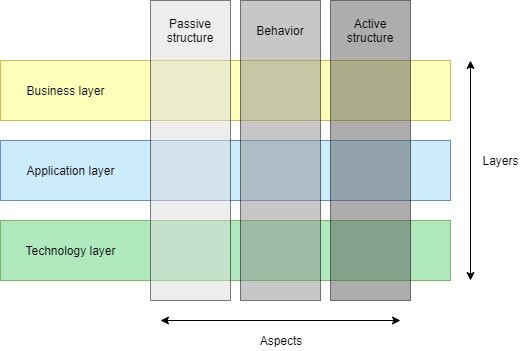
The final piece is business capability mapping. This process links what the business does with how it does it. A capability is a statement of what an organization can do, like 'Process customer orders' or 'Manage inventory'.
By mapping these capabilities, you can identify which ones are critical to your strategy and where technology can have the greatest impact. If your strategy is to be the fastest shipper in your market, you would prioritize investments in the 'Manage inventory' and 'Fulfill orders' capabilities. This ensures technology spending is not random but is laser-focused on creating a competitive advantage.
With a strategic architecture in place, your digital transformation moves from a collection of hopeful projects to a coordinated program of change, with a clear line of sight from every action to a defined business outcome.