Digital Security Essentials Password Manager and 2FA
Understanding Digital Security
What Is Digital Security?
Digital security is the practice of protecting your online information and accounts from being stolen or misused. Think of it like locking the doors to your house. You do it to keep your belongings and personal space safe. In the digital world, your “house” is your collection of email accounts, social media profiles, online banking, and personal files.
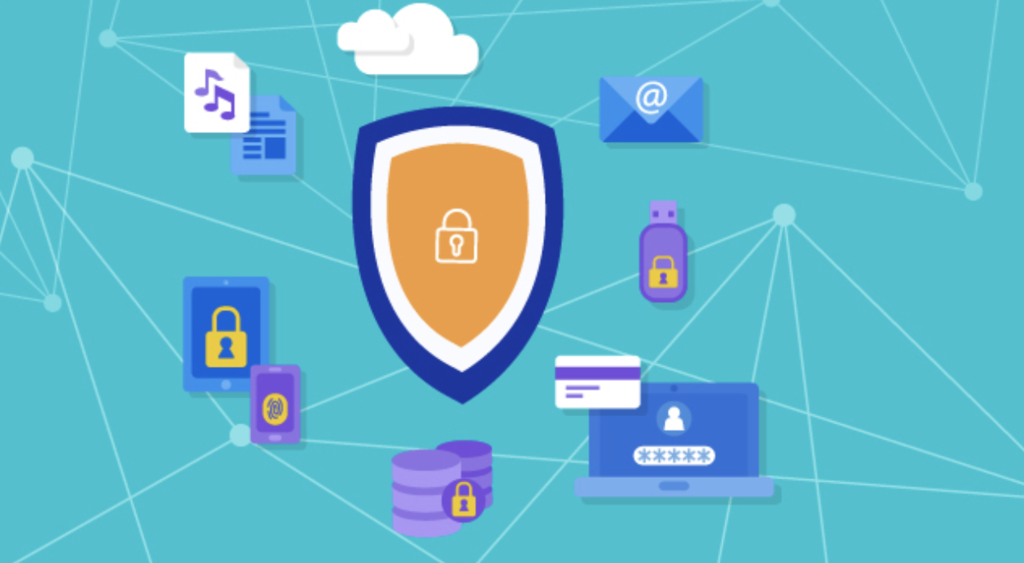
Every time you log into an app, send an email, or shop online, you’re sharing bits of your personal information. This data is valuable, both to you and, unfortunately, to people who might want to use it for malicious purposes. Good digital security helps ensure that you are the only one in control of your digital identity and assets.
Common Online Threats
To protect yourself online, you first need to know what you’re up against. While there are many types of threats, a few are particularly common. Let's look at three of the biggest ones: phishing, malware, and data breaches.
Phishing
noun
A fraudulent attempt to obtain sensitive information such as usernames, passwords, and credit card details by disguising as a trustworthy entity in an electronic communication.
Phishing is essentially a digital con game. An attacker sends an email or text message that looks like it's from a legitimate company, like your bank or a popular social media site. The message is designed to create a sense of urgency, pressuring you to act quickly without thinking.
For example, a phishing email might say: "Suspicious activity has been detected on your account. Click here immediately to verify your identity or your account will be locked."
If you click the link, it takes you to a fake website that looks just like the real one. When you enter your username and password, you're not logging into your account—you're handing your credentials directly to the attacker.
Malware
noun
Software that is specifically designed to disrupt, damage, or gain unauthorized access to a computer system.
Malware is a broad term for any kind of malicious software. It can get onto your device if you download a file from an untrustworthy source, open a malicious email attachment, or even visit a compromised website.
Once installed, malware can do all sorts of things. Some types, called viruses, damage your files and disrupt your computer's operation. Others, known as spyware, secretly record what you do, capturing passwords and other private data. A particularly nasty type called ransomware locks up your files and demands a payment to get them back.

Next, let's talk about data breaches. A data breach happens when sensitive or confidential information is copied, transmitted, or stolen from an organization’s database. It’s not an attack on you directly, but on a company that holds your data.
Large-scale data breaches at major companies can expose the personal information of millions of users at once, including names, email addresses, and passwords.
Even if you have strong security habits, a data breach at a service you use can put your information at risk. This is why it's so important to use unique passwords for different accounts. If one account is compromised in a breach, attackers won't be able to access your other accounts with the same credentials.
Why It Matters
The consequences of poor digital security can range from annoying to devastating. If an attacker gets access to your email, they could impersonate you to scam your friends and family. Access to your social media could be used to post harmful content in your name, damaging your reputation.
The financial risks are also significant. With your banking details, an attacker could drain your accounts or take out loans in your name. This is known as identity theft, and it can take years and a lot of effort to resolve.
Key areas assessed include social engineering (e.g., phishing, romance scams, catfishing), online harassment (e.g., cyberbullying, trolling, revenge porn, hate crimes), identity-related crimes (e.g., identity theft, doxing), hacking (e.g., malware, cryptojacking, account hacking), and denial-of-service crimes.
Beyond the immediate financial or social damage, a security incident can cause a great deal of stress and a feeling of violation. Your digital life is an extension of your real life, and protecting it is a key part of staying safe in the modern world.
Now, let's test your understanding of these core concepts.
What is the primary purpose of digital security?
You receive an email from your bank stating that your account has been compromised and you must click a link immediately to verify your identity. What type of threat is this most likely to be?