Digital Security Essentials
Understanding Digital Security
What is Digital Security?
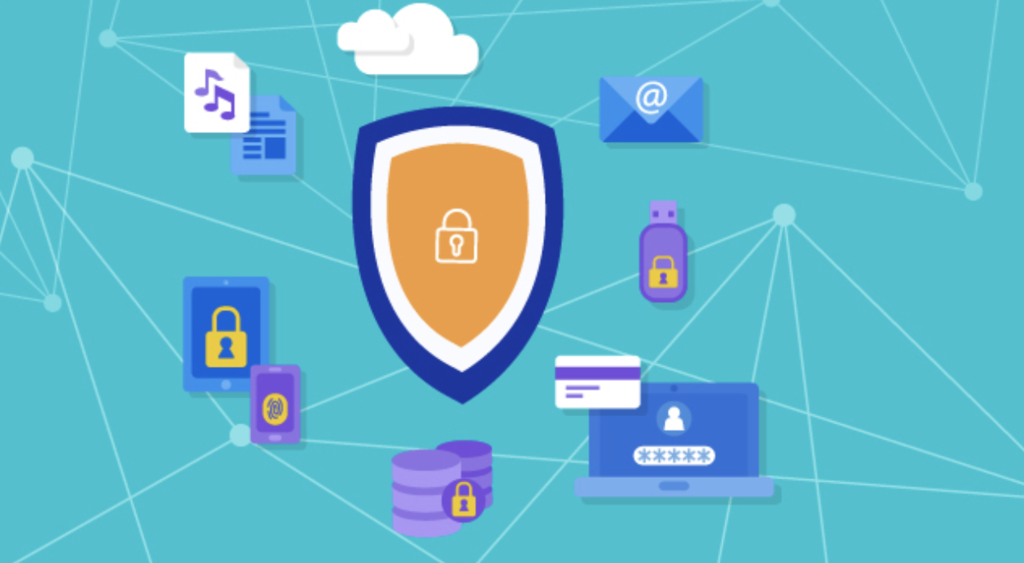
Think of digital security like locking the doors to your house. You wouldn't leave your front door wide open for anyone to walk in. The same principle applies to your online life. Digital security is the practice of protecting your personal information, data, and accounts from being accessed by people who shouldn't have them.
So much of our lives happens online, from banking and shopping to connecting with friends. Each of these activities creates a digital footprint, a trail of data that is valuable to you and, unfortunately, to others. Good digital security ensures that you are the one in control of your information.
Common Online Threats
To protect yourself, you first need to know what you're up against. While there are many types of online threats, most fall into a few common categories. Let's look at the main ones.
Phishing is when an attacker tries to trick you into giving them sensitive information, like a password or credit card number. They often pretend to be a trustworthy company or person.
Imagine getting an email that looks like it's from your bank. It might say your account is locked and you need to click a link to verify your identity. That link, however, leads to a fake website designed to steal the login details you enter. That's a classic phishing scam.
Malware, short for malicious software, is any program designed to harm your computer or steal your data. This includes viruses, spyware, and ransomware.
Malware can get onto your device if you download a suspicious file, click a bad link, or even visit an infected website. Once installed, it can do things like record your keystrokes, encrypt your files and demand a ransom, or use your computer to attack others.
Unauthorized access is when someone gets into one of your accounts without your permission. This is often the goal of phishing and malware attacks.
The most common way this happens is through weak, reused, or stolen passwords. If an attacker gets the password to your email, they might be able to use it to reset the passwords for your other accounts, causing a domino effect.
Your First Line of Defense
So, how do you stop these threats? The first and most important step is strong authentication. Authentication is simply the process of proving you are who you say you are. When you log into a website with a username and password, you are authenticating your identity.
Your password is the key to your digital lock. If it's weak or if you use the same key for every lock, a single breach can expose all your accounts. This is why using strong, unique passwords for every service is the foundation of good digital security.
So, before you do anything else, establish a strong security baseline: use unique passwords (a password manager helps simplify this) and set up two-factor authentication for your online accounts to add an extra layer of protection when logging into your accounts.
We'll explore tools like password managers and two-factor authentication later. For now, the key takeaway is that controlling who can access your accounts is the central pillar of staying safe online.
An email arrives that looks like it's from your bank, asking you to click a link to verify your account details. This is a classic example of what type of digital threat?
According to the provided text, what is considered the foundation of good digital security?
Understanding the landscape of digital threats is the first step toward building a strong defense. By recognizing common tactics, you're better prepared to avoid them.