Digital Security Essentials
Understanding Digital Security
What is Digital Security?
Think about how you protect your physical belongings. You lock your doors, keep your wallet in a safe place, and are mindful of your surroundings. Digital security is the same idea, but for your online life. It's the practice of protecting your personal information, data, and devices from unauthorized access or harm.
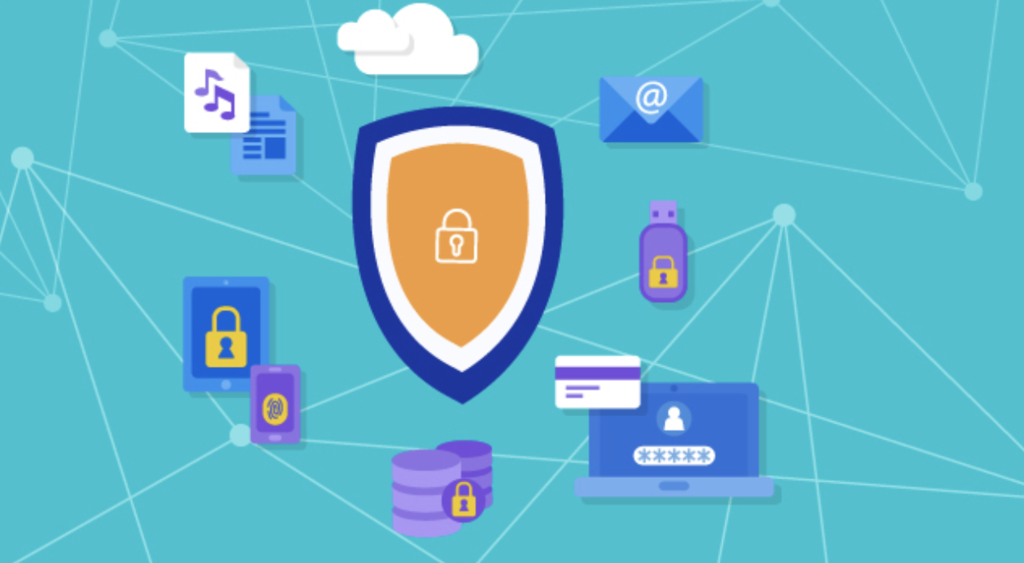
Every time you log into an email account, use a social media app, or shop online, you're interacting with sensitive data. This includes your name, address, credit card numbers, and private messages. Keeping this information safe is the core of digital security.
Common Online Threats
To protect yourself, you first need to understand what you're up against. While the online world offers incredible opportunities, it also has its share of risks. Here are a few of the most common threats you'll encounter.
Phishing
noun
A fraudulent attempt to obtain sensitive information such as usernames, passwords, and credit card details by disguising as a trustworthy entity in an electronic communication.
Phishing is like a digital fishing trip where criminals use bait—often a fake email or text message—to trick you into giving them your information. The message might look like it's from a familiar company and ask you to click a link to update your account or verify a purchase. That link then leads to a fake website designed to steal your login credentials.
Phishing attacks are a significant societal threat, disproportionately harming vulnerable populations and eroding trust in essential digital services.
Malware
noun
Software intentionally designed to cause disruption to a computer, server, client, or computer network, leak private information, gain unauthorized access to information or systems, or deprive users access to their information.
Malware is short for "malicious software." It's a broad category that includes viruses, spyware, and ransomware. Malware can infect your devices if you click a bad link, download an unsafe file, or even visit a compromised website. Once inside, it can do anything from stealing your data to locking you out of your device until you pay a ransom.
Another common threat is a data breach. This happens when a company's secure database is broken into and customer information is stolen. Even if you do everything right, your data could be exposed if a service you use suffers a breach.
Your First Line of Defense
With all these threats, where do you start? Your first and most important line of defense is a strong password. Passwords are the keys to your digital life, and using weak, easy-to-guess keys is like leaving your front door unlocked.
A strong password is long and complex. It should include a mix of uppercase letters, lowercase letters, numbers, and symbols. Avoid using personal information like your birthday, pet's name, or common words.
The other critical rule is to use a unique password for every single account. Why? Imagine you use the same key for your house, your car, and your office. If a thief steals that one key, they have access to everything. It's the same with passwords. If you reuse your password and one website has a data breach, criminals will try that same password on your email, banking, and social media accounts.
Verifying It's Really You
A password is a form of authentication—a way to prove your identity. But it's only one type. In the digital world, authentication methods generally fall into three categories.
| Category | Description | Example |
|---|---|---|
| Something you know | Information that only you should know. | A password or a PIN. |
| Something you have | A physical object in your possession. | Your phone or a USB security key. |
| Something you are | A unique biological trait. | Your fingerprint or your face. |
Relying on just a password (something you know) can be risky, because passwords can be stolen. That's why many services now encourage using more than one authentication method. This concept is often called two-factor authentication (2FA) or multi-factor authentication (MFA). It creates a layered defense, making it much harder for an unauthorized person to access your accounts.
By implementing three core practices—using strong, unique passwords; storing them in a password manager; and enabling two-factor authentication—you'll protect yourself from the vast majority of password-related threats.
Now that you understand the basics of digital threats and the importance of strong, unique passwords, you're ready to start building a stronger digital fortress. In the next sections, we'll explore the tools that make managing this easy and effective.