Digital Security Essentials
Understanding Digital Security
Your Digital Front Door
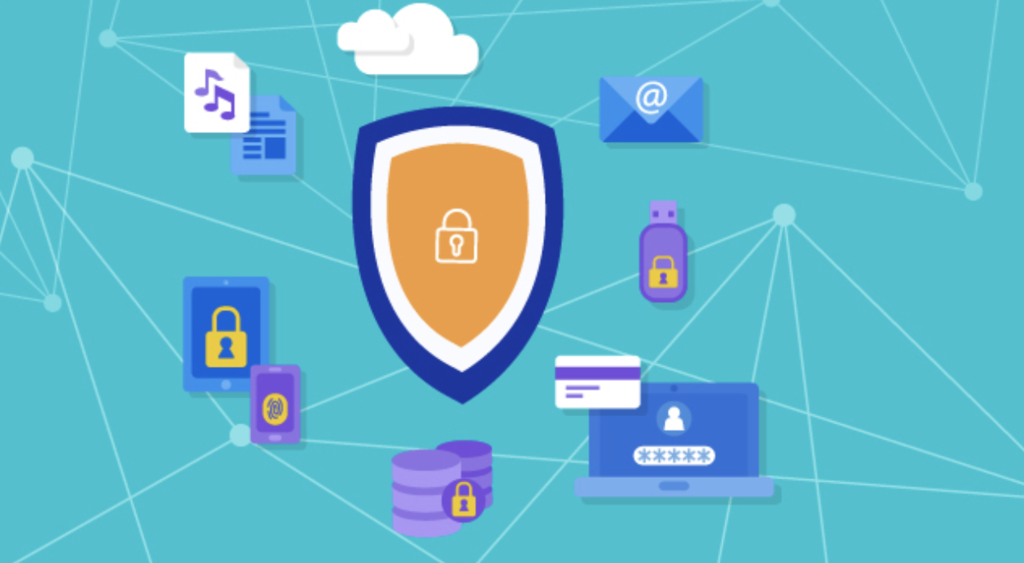
Think about all the information you have online. Your email, bank account, photos, and private messages are all stored behind digital doors. Digital security is the practice of keeping those doors locked and secure. It's about protecting your online information from people who shouldn't have access to it.
Just like you lock your home to protect your physical belongings, you need to secure your digital life to protect your personal data, identity, and finances. Without good security habits, you're leaving the door wide open for trouble.
Common Online Threats
The internet is full of amazing things, but it also has its share of risks. Understanding the most common threats is the first step toward avoiding them. Let's look at a few you're likely to encounter.
Phishing
noun
A type of online scam where criminals impersonate legitimate organizations via email, text message, or other means to steal sensitive information like passwords and credit card numbers.
Phishing attacks are a common trick. Imagine getting an email that looks like it’s from your bank, asking you to click a link and confirm your password. The link leads to a fake website designed to steal your login information. The goal is to trick you into handing over your keys.
Always be suspicious of unexpected emails or messages that ask for personal information or create a sense of urgency.
Another major threat is malware, which is short for malicious software. This is software designed to harm your computer or steal your data. Viruses, spyware, and ransomware are all types of malware. It can get onto your device if you click a shady link, download an infected file, or even visit a compromised website.
Finally, there's unauthorized access. This is the digital equivalent of a break-in. It's when someone gets into one of your accounts without your permission. Often, this happens because of a successful phishing attack or because they've guessed or stolen a weak password.
Your First Line of Defense
So how do you stop these threats? The most fundamental tool is authentication. It’s the process of proving you are who you say you are. When you type your password to log in to an account, you're authenticating yourself.
Passwords are our first and best line of defense against unauthorized access to our online information.
Your password is the key to your digital door. A simple, easy-to-guess password like "123456" or "password" is like leaving a key under the doormat. A strong, unique password is a much tougher lock to pick.
But even the strongest lock can sometimes be broken. That’s why modern security often relies on more than just a password. Methods like two-factor authentication (2FA) add another layer of security, like a deadbolt on your door. It requires a second piece of information—like a code sent to your phone—in addition to your password. This makes it much harder for anyone else to get in, even if they manage to steal your password.
Learning to use these tools effectively is the foundation of staying safe online.
What is the primary goal of digital security?
You receive an email that looks like it's from your bank, urgently asking you to click a link and confirm your password. What type of threat is this most likely to be?