Digital Security Essentials
Understanding Digital Security
What Is Digital Security?
Think of digital security like locking the doors and windows of your house. You do it to protect the important things inside. In the digital world, your personal information—like your bank details, private messages, and photos—is what's valuable. Digital security is the practice of protecting this information from being stolen or misused.
Every day, we trust websites and apps with our data. We shop online, manage our finances, and connect with friends. Each of these actions creates a digital footprint. Without good security habits, this footprint can leave you vulnerable to people who want to exploit your information.
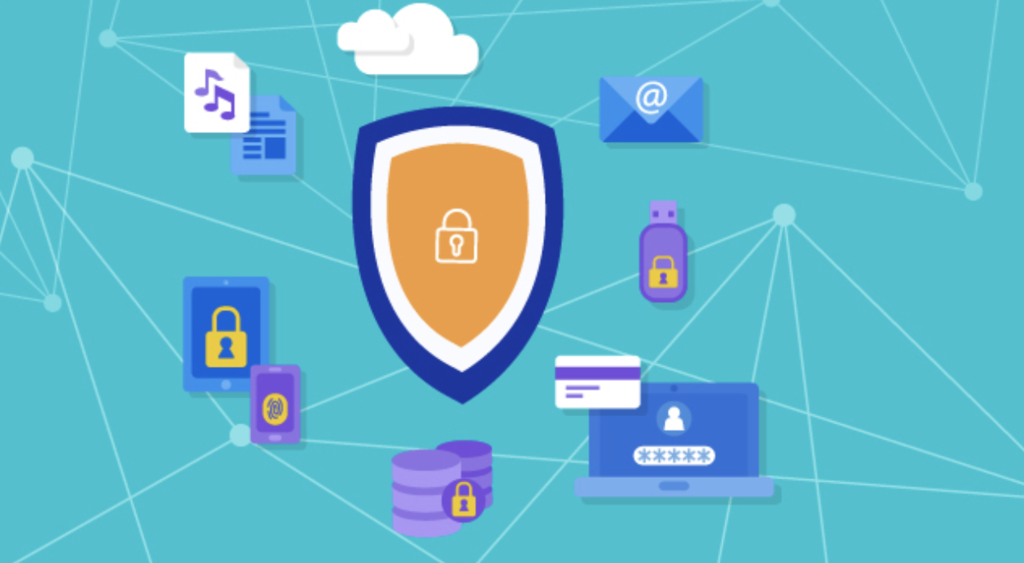
Good digital security isn't just about preventing someone from logging into your social media. It's about protecting your identity, your finances, and your privacy from a wide range of online threats.
Common Online Threats
To protect yourself, you first need to know what you're up against. While there are many dangers online, most fall into a few common categories.
phishing
noun
An attempt to trick someone into revealing sensitive information, such as usernames, passwords, and credit card details, by disguising as a trustworthy entity.
Phishing is one of the most common attacks. It often arrives as an email or text message that looks legitimate. It might appear to be from your bank, a delivery service, or a social media site, creating a sense of urgency to make you act without thinking. The goal is to get you to click a malicious link or enter your credentials on a fake website.
A classic phishing scam is an email claiming your account has been compromised and you must click a link immediately to secure it. The link leads to a fake login page that steals your password.
malware
noun
Software intentionally designed to cause damage to a computer, server, client, or computer network. Short for "malicious software."
Malware includes viruses, spyware, and ransomware. It can get onto your device if you download a suspicious file, visit an unsafe website, or click a bad link. Once installed, malware can do things like steal your personal data, lock your files and demand a ransom, or use your computer to attack others.
Another major threat is the data breach. This happens when a company you have an account with gets hacked and user data is stolen. Attackers might get access to names, email addresses, and passwords. Even if you have perfect security habits, a data breach at a company you use can expose your information. This is why it's so important to use a unique password for every single account.
Your First Line of Defense
Your first and most important line of defense against these threats is a strong password. A good password acts as a robust lock on your digital door.
| Weak Passwords | Strong Passwords |
|---|---|
| password123 | R!v3r-sUn-Cactu5-8r!dg3 |
| 12345678 | h9#B&p@LqZ$k4!sW |
| fluffy | my-cat-fluffy-eats-tuna |
| yourname1995 | 47-Apples-Flew-!n-Ju1y |
What makes a password strong?
- Length: Longer is always better. Aim for at least 12 characters.
- Complexity: Use a mix of uppercase letters, lowercase letters, numbers, and symbols.
- Uniqueness: Never reuse passwords across different sites. If one site has a data breach, attackers won't be able to access your other accounts.
Creating and remembering unique, complex passwords for every account is difficult. That's why password managers are a crucial tool, but the most important step is simply avoiding weak, reused passwords.
But even the strongest password can be stolen. For an extra layer of security, you should use two-factor authentication, often called 2FA.
2FA combines something you know (your password) with something you have (like your phone).
When you log in with 2FA enabled, you first enter your password. Then, you have to provide a second piece of information to prove it's really you. This is usually a temporary code sent to your phone or generated by an authenticator app. Even if a hacker steals your password, they can't get into your account without also having your phone.
If you want to keep your online accounts safe, adding two-factor authentication (2FA) is the single most important step you can take.
Now that you understand the basic threats and your primary defenses, you can start building stronger digital security habits.
Ready to check your understanding?
What is the primary goal of digital security?
You receive an urgent email that appears to be from your bank, asking you to click a link and enter your login details to prevent your account from being suspended. What is this type of attack called?
Understanding these core concepts is the first step toward taking control of your online safety.