Digital Security Essentials
Understanding Digital Security
What Is Digital Security?
Digital security is the practice of protecting your online information and accounts. Think of it like locking the doors to your house. Just as you secure your physical belongings, you also need to secure your digital life—your emails, social media profiles, bank accounts, and personal files.
Every day, we share information online, often without a second thought. But without basic protections, this information can be vulnerable. Understanding the risks is the first step toward staying safe.
Common Online Threats
The internet has its share of dangers, but most fall into a few common categories. Knowing what to look for makes it much easier to avoid them.
phishing
noun
A fraudulent attempt to obtain sensitive information such as usernames, passwords, and credit card details by disguising as a trustworthy entity in an electronic communication.
Phishing often comes in the form of an email or text message that seems legitimate. It might claim there's a problem with your account or offer you a prize. The goal is to trick you into clicking a malicious link or revealing your login details. They prey on a sense of urgency or curiosity.
malware
noun
Software specifically designed to disrupt, damage, or gain unauthorized access to a computer system.
Malware is a broad term for any kind of malicious software, including viruses, spyware, and ransomware. It can get onto your device if you download a suspicious file, visit an unsafe website, or even click a deceptive ad. Once inside, it can steal your data, slow down your computer, or lock you out of your files entirely.
Another major threat is unauthorized access. This is when someone gets into your online accounts without your permission. It often happens when attackers guess a weak password, or when a password is stolen in a data breach from another website you use.
Why It Matters
A security breach isn't just a minor inconvenience. The consequences can be serious and long-lasting. If a scammer gets access to your email, they could reset the passwords for your other accounts. If they breach your online banking, they could drain your funds.
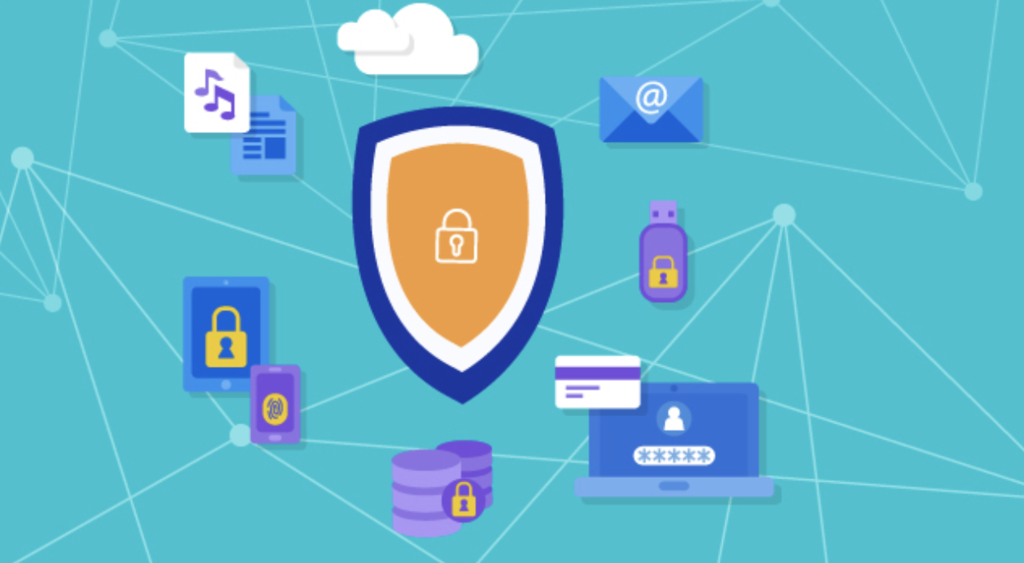
In more severe cases, stolen information can lead to identity theft, where someone uses your personal data to open credit cards or take out loans in your name. Repairing the damage from identity theft can take months or even years.
Your personal information is valuable. Protecting it is not optional—it's essential for navigating the modern world safely.
The good news is that protecting yourself doesn't have to be complicated. By taking a few proactive steps, you can build a strong defense against the vast majority of online threats. The goal is to make it much harder for attackers to target you.
So, before you do anything else, establish a strong security baseline: use unique passwords (a password manager helps simplify this) and set up two-factor authentication for your online accounts to add an extra layer of protection when logging into your accounts.
Let's check your understanding of these core concepts.
Which of the following best describes a phishing attack?
You receive an urgent text message that claims a package delivery has failed and you must click a link to reschedule. This is most likely an example of what?
Now that you understand the basic risks, you're ready to learn about the tools that can keep you safe. We'll start by exploring two of the most effective security measures: password managers and two-factor authentication.