Digital Security Essentials
Understanding Digital Security
What Is Digital Security?
Think of digital security as the lock on your front door, but for your online life. It's the practice of protecting your digital information, devices, and identity from unauthorized access or harm. Just as you secure your home to protect your belongings and personal safety, you need to secure your digital world to protect your data.
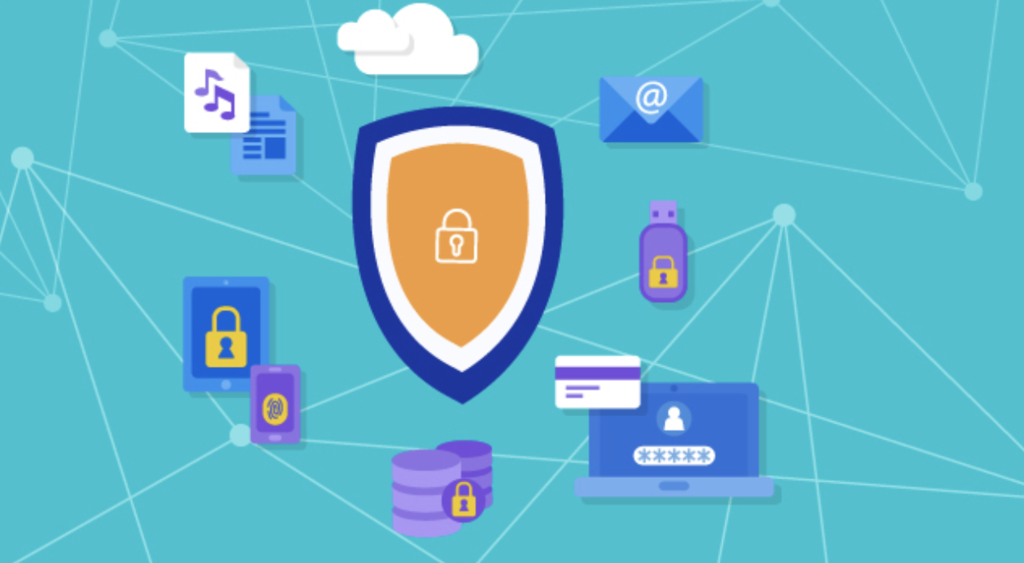
Every time you log into an app, send an email, or shop online, you're sharing pieces of information. Digital security is about ensuring that information stays safe and is only seen by the people you intend to see it. It's not about being paranoid; it’s about being smart and aware in a world that is increasingly connected.
Common Online Threats
To protect yourself, you first need to know what you're up against. While there are many types of online threats, a few are especially common. Let's look at three of the biggest ones: phishing, malware, and data breaches.
Phishing
noun
An attempt to trick someone into revealing sensitive information, such as usernames, passwords, and credit card details, by disguising as a trustworthy entity in an electronic communication.
Phishing attacks are a form of social engineering. They prey on trust. You might receive an urgent email that appears to be from your bank, asking you to click a link and verify your account details. The link, however, leads to a fake website designed to steal your login information. The key is to always be skeptical of unsolicited requests for personal data.
Malware
noun
Short for "malicious software," this is any software intentionally designed to cause damage to a computer, server, client, or computer network.
Malware comes in many forms, like viruses that corrupt your files or ransomware that locks your device until you pay a fee. It often spreads through suspicious downloads, infected email attachments, or by exploiting security weaknesses in outdated software. Once on your device, it can steal data, spy on your activity, or just cause chaos.
The third major threat is the data breach. This happens when a company or organization you've entrusted with your data, like a social media site or an online store, gets hacked. Cybercriminals steal user information in bulk, such as names, email addresses, passwords, and even financial details.
While you can't prevent a company from being breached, understanding that it can happen highlights why it's important not to reuse passwords across different services. If one site is breached and your password is stolen, attackers won't be able to use it to access your other accounts.
Why It All Matters
The consequences of poor digital security can be severe. A successful phishing attack could lead to someone draining your bank account. Malware could steal your identity, leading to fraudulent loans or credit cards being opened in your name. A data breach could expose your private messages or personal photos.
Just as you wouldn’t leave your house unlocked or your car before leaving them or cross a street without looking both ways, you should take protective steps every day to be a better digital citizen.
These aren't just hypotheticals; they happen to people every day. That's why being proactive is so important. By understanding the threats, you can start building habits that significantly reduce your risk. It's about creating layers of protection for your digital life.
Now that you understand the basic concepts and why they're important, let's test your knowledge.
What is the primary goal of digital security?
An urgent email that appears to be from your bank asks you to click a link and verify your account details. This is a classic example of what type of threat?
Understanding these core ideas is the first step toward a safer online experience. In the following sections, we'll build on this foundation with practical steps you can take.