Digital Security Essentials
Understanding Digital Security
What Is Digital Security?
Think of digital security as the locks, alarms, and common sense you use to protect your home, but for your online life. It’s the practice of defending your devices, your accounts, and your personal information from unauthorized access or harm.
Every time you log into an email account, shop online, or use a social media app, you’re sharing data. This includes your name, financial details, location, and private conversations. Digital security is about putting up guardrails to ensure that only you and the people you trust can access that information.
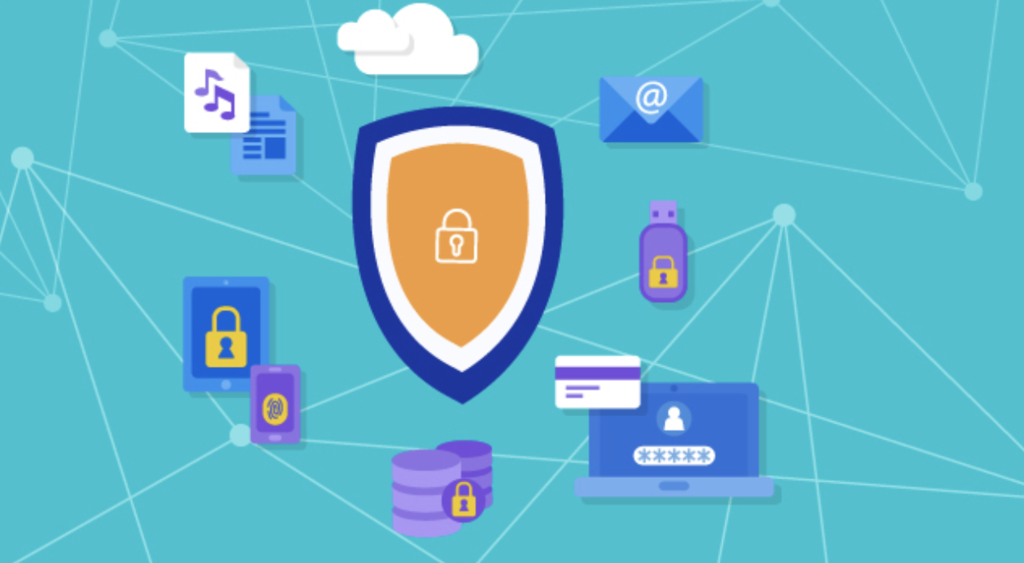
Without good security, you're leaving the door open to digital intruders who can cause serious problems.
Common Threats to Watch For
Just like in the physical world, the digital world has its share of dangers. Understanding the most common threats is the first step toward avoiding them.
Phishing
noun
A type of online scam where criminals impersonate legitimate organizations via email, text message, or other means to trick you into providing sensitive information.
Phishing is one of the most widespread threats. An attacker might send an email that looks like it's from your bank, a popular online store, or even your workplace. It will often create a sense of urgency, telling you to “verify your account immediately” or that “a suspicious login was detected.”
The goal is to panic you into clicking a link and entering your username and password on a fake website. Once they have your credentials, they can access your real account.
Phishing attacks are a significant societal threat, disproportionately harming vulnerable populations and eroding trust in essential digital services.
Another common threat is malware, short for “malicious software.” This is a catch-all term for any software designed to harm your device or steal your information. Malware can come in many forms, including:
- Viruses: Programs that infect your files and spread to other devices.
- Ransomware: Software that locks up your files and demands payment for their release.
- Spyware: Programs that secretly record your activity, including the passwords you type.
Malware often spreads through deceptive downloads or by clicking on malicious links in emails or on websites.

Finally, there are data breaches. A data breach happens when hackers break into the servers of a company you use and steal customer data. This could be a social media site, an online retailer, or even a healthcare provider.
Even if you do everything right, your information can still be exposed in a breach. Hackers often sell this stolen data—which can include names, email addresses, and passwords—to other criminals.
Why It Matters
The consequences of a security lapse can be severe. If a criminal gets your information, they could engage in identity theft, using your name and personal details to open credit cards or take out loans.
Financial loss is another major risk. Scammers can drain your bank account, make fraudulent purchases with your credit card, or trick you into sending them money directly. Beyond the financial impact, there's the loss of privacy. Private photos, personal documents, and sensitive conversations can be exposed and shared publicly.
Taking proactive steps to secure your digital life is not about being paranoid; it's about being prepared. Just as you lock your front door when you leave the house, implementing basic digital security measures is a simple, necessary part of modern life.
Let's check your understanding of these core concepts.
What is the primary goal of digital security?
An email that creates a sense of urgency to trick you into clicking a link and entering your password on a fake website is a common example of what?
Securing your online presence is an ongoing process, but understanding the basics is the most important step.