Digital Security Essentials
Understanding Digital Security
Your Digital Front Door
Think about all the things you do to keep your home safe. You lock the doors, close the windows, and maybe even have an alarm system. Digital security is the exact same idea, but for your online life. It’s the practice of protecting your personal information, your accounts, and your devices from unauthorized access or harm.
Every day, we trust the internet with sensitive details, from bank account numbers and private messages to work documents and personal photos. Just like you wouldn't leave your front door wide open, you shouldn't leave your digital life unprotected. Good digital security acts as the lock, the alarm, and the watchful eye for your online presence.
Common Online Threats
To protect yourself, you first need to know what you’re up against. While there are many types of cyber threats, a few common ones are responsible for the majority of security incidents.
Phishing
noun
An attempt to trick someone into revealing sensitive information, such as usernames, passwords, and credit card details, by disguising as a trustworthy entity in an electronic communication.
Phishing attacks are like a wolf in sheep's clothing. You might get an urgent email that looks like it’s from your bank, a popular online store, or even a government agency. The message will often create a sense of panic, telling you your account is compromised or you need to claim a prize immediately. It will urge you to click a link and enter your login information. But the link leads to a fake website, and any information you enter goes straight to the scammers.
For example, a phishing email might say: "Suspicious activity detected on your account. Click here to verify your identity now!" The link would then take you to a fraudulent look-alike of your bank's website.
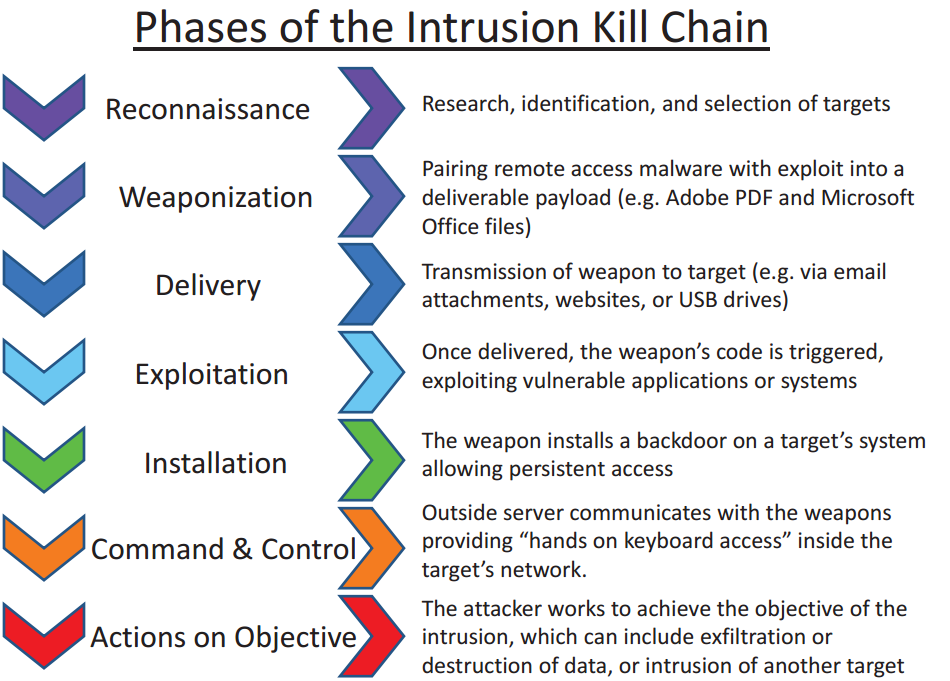
Another common threat is malware, short for malicious software. This is any software intentionally designed to cause damage to a computer, server, or network. It’s a broad category that includes everything from viruses that corrupt your files to spyware that secretly records what you type, including your passwords.
Malware can sneak onto your device if you download a file from a shady website, open a malicious email attachment, or even just visit a compromised site. Once installed, it can work silently in the background, stealing your information or giving attackers control over your device.
Finally, there are data breaches. This happens when cybercriminals break into a company's database and steal user data. You might have perfect security habits, but if a service you use gets breached, your information—like your name, email, and password—can be exposed.
This is why the consequences of a single breach can ripple outwards. If you use the same password for multiple websites, a breach at one company means criminals can now try that same password to access your accounts on other, more important sites, like your email or online banking.
The Real-World Consequences
The consequences of poor digital security aren't just digital. They can have serious, real-world impacts. Stolen information can lead to identity theft, where someone uses your personal details to open credit cards or take out loans in your name. Fraudulent charges can drain your bank account.
Losing access to your primary email account can lock you out of dozens of other services, as email is often the key to resetting other passwords. Beyond financial loss, there's the stress and time required to clean up the mess. Protecting your digital self is about protecting your peace of mind and financial well-being.
With the increasing number of attempts to exploit vulnerabilities in the various digital tools we use, the need for vigilance and implementation of cybersecurity measures in protecting data and digital identity has never been more urgent.
The good news is that you can dramatically improve your safety with a few foundational habits. These best practices form the bedrock of good digital security:
-
Use Strong, Unique Passwords: Avoid simple, easy-to-guess passwords. Most importantly, never reuse the same password across different websites. This way, a data breach at one site won't compromise your other accounts.
-
Enable Two-Factor Authentication (2FA): This adds a second layer of security beyond just your password. Even if someone steals your password, they won't be able to log in without a second code, usually from your phone.
-
Be Skeptical of Unsolicited Messages: Always treat unexpected emails, texts, or social media messages with caution, especially if they ask for personal information or create a sense of urgency. When in doubt, don't click the link.
-
Keep Your Software Updated: Software updates often include critical security patches that fix vulnerabilities. Regularly updating your operating system, web browser, and other applications is one of the easiest ways to stay protected.
Let's test what you've learned about these core concepts.
What is the primary goal of digital security?
You receive an email that looks like it's from a popular online store, warning that your account has been compromised and you must click a link immediately to reset your password. This is a classic example of what type of threat?
Building these habits is the first and most important step toward securing your online life. By understanding the threats and embracing these simple practices, you can create a strong defense for your digital identity.