Digital Security Essentials
Understanding Digital Security
Your Digital Front Door
Think of your online accounts—email, social media, banking—as doors to your personal life. Each one holds sensitive information, from private conversations to financial details. Just as you lock the front door to your home, you need to secure these digital entryways. Leaving them unprotected is like leaving your keys in the lock for anyone to find.
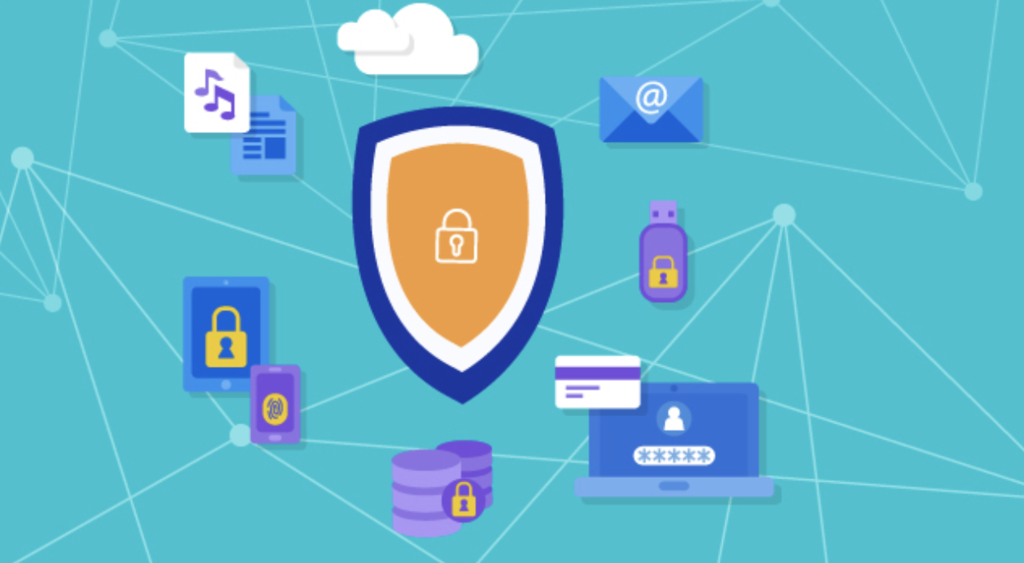
Understanding the most common threats is the first step toward building a strong defense. When you know what to look for, you're less likely to fall for a trap.
Common Threats to Watch For
Cybercriminals use a variety of tricks to gain access to your accounts and information. Three of the most common are phishing, malware, and data breaches.
phishing
noun
An attempt to trick someone into revealing sensitive information, such as passwords or credit card numbers, by disguising as a trustworthy entity in an electronic communication.
Phishing attacks are like a fisherman casting a baited hook. An attacker might send an email that looks like it's from a service you use, like Netflix or your bank. The email might claim there's a problem with your account and urge you to click a link to fix it. That link, however, leads to a fake website designed to steal your login credentials.
Malware, short for malicious software, is another danger. This is software designed to disrupt computer operations, gather sensitive information, or gain access to private computer systems. It can come in many forms, like viruses that corrupt your files or spyware that secretly records what you type, including passwords.
A data breach happens when sensitive information is stolen from a company or organization. You might have done everything right, but if a service you use gets hacked, your information—like your name, email, and password—could be exposed and sold online. This is why the security of your own accounts is so critical.
Your First Line of Defense
Your password is the primary key to your digital life. A weak password is like hiding your house key under the doormat—it’s the first place an intruder will look. A strong password, on the other hand, is a complex lock that's much harder to break.
A strong password is long (at least 12 characters is a good start) and includes a mix of uppercase and lowercase letters, numbers, and symbols. The most important rule? It should be unique to each account.
Using the same password everywhere is a huge risk. If a data breach at one company exposes that password, attackers will use it to try to get into your other accounts. This is called a credential stuffing attack, and it's very common. By using a unique password for every site, you ensure that a breach at one service doesn't compromise your entire digital life.
Adding a Second Lock
Even with a strong password, your accounts can still be vulnerable. That's where two-factor authentication, or 2FA, comes in. It's like adding a deadbolt to your front door. It provides a second layer of security that makes it much harder for an unauthorized person to get in.
If you want to keep your online accounts safe, adding two-factor authentication (2FA) is the single most important step you can take.
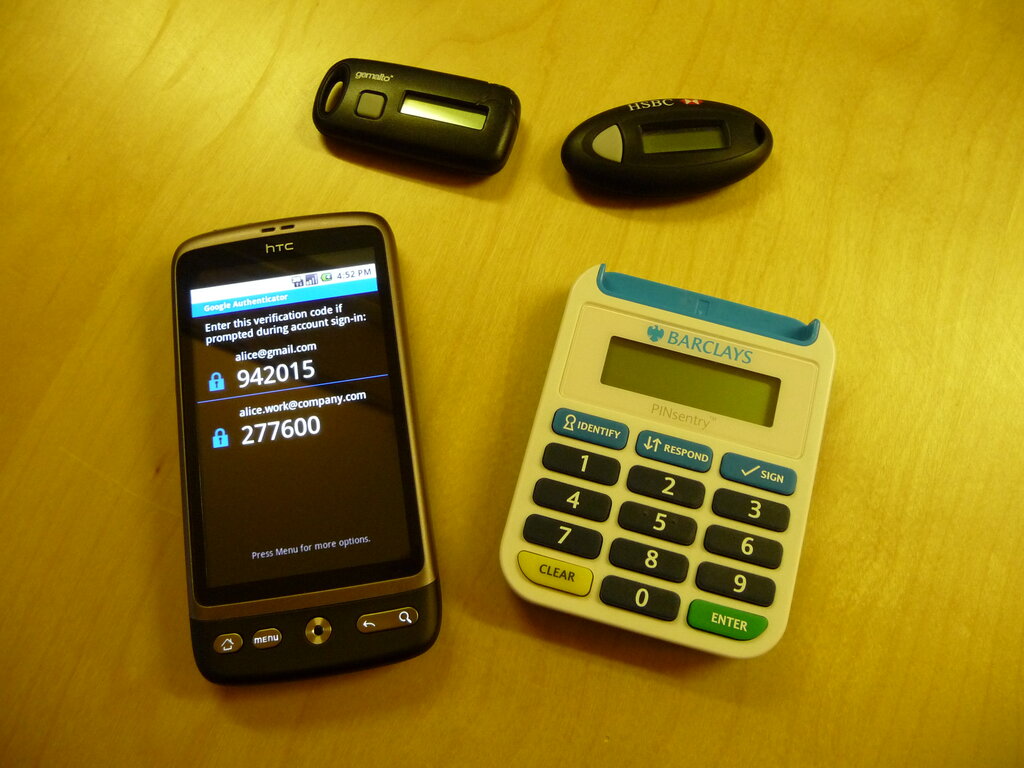
2FA works by requiring two different types of proof of your identity. Typically, this is:
- Something you know: Your password.
- Something you have: A temporary code from an app on your phone, a physical security key, or a text message.
Even if a criminal steals your password, they won't be able to log in without that second factor. It effectively stops them at the door.
Let's test what you've learned about protecting your digital life.
An email from a popular streaming service asks you to click a link to update your payment details due to a "billing error." What type of cyber attack might this be?
What is the primary risk of using the same password for your email, banking, and social media accounts?
Understanding these basic threats and defenses is the foundation of good digital security. By using strong, unique passwords and enabling 2FA, you can protect your information from the most common attacks.