Digital Security Essentials
Understanding Digital Security
Guarding Your Digital Life
Think of your online accounts—email, banking, social media—as digital rooms in your house. Each one contains personal information, from private conversations to financial details. Just as you lock your front door to protect your physical space, you need to secure these digital rooms to keep your information safe.
Unfortunately, the internet has its share of burglars. They use clever tricks to try and get inside your accounts. Understanding their methods is the first step to stopping them.
Common Online Threats
While there are many ways your security can be compromised, most threats fall into a few common categories.
Phishing
noun
A fraudulent attempt to obtain sensitive information such as usernames, passwords, and credit card details by disguising as a trustworthy entity in an electronic communication.
Phishing attacks are like a wolf in sheep's clothing. You might get an email that looks like it’s from your bank, asking you to “verify your account details” by clicking a link. That link, however, leads to a fake website designed to steal your login information. The goal is to trick you into willingly handing over your keys.

Another common threat is malware, which is short for “malicious software.” This is a broad term for any software designed to harm your computer or steal your information. It includes viruses that can corrupt your files and spyware that can secretly record what you type, including your passwords.
A data breach happens when cybercriminals successfully break into a company's database and steal user data. This can expose millions of people's information at once, including names, email addresses, and passwords. Often, this stolen information is sold online, where other criminals can use it to try and access your accounts on other websites.
Your First Line of Defense
Your password is the main gatekeeper for each of your online accounts. The problem is that many people use simple, easy-to-guess passwords like password123 or their pet's name. Worse, they often reuse the same password across many different websites.
Using the same password everywhere is like having one key that unlocks your house, your car, and your office. If a thief steals that one key, they suddenly have access to everything. If a data breach at one company exposes your password, criminals will immediately try using it on your email, banking, and other important accounts.
A strong, unique password for every account is the foundation of good digital security.
But even a strong password can be stolen. That's why we need an additional layer of security.
Authentication
noun
The process of verifying the identity of a user or process.
Simply put, authentication is how you prove you are who you say you are. A password is one form of authentication—something you know. But for true security, it's best to combine it with a second factor.
This is where two-factor authentication, or 2FA, comes in. It requires you to provide two different types of proof of identity before you can access an account. The most common combination is:
- Something you know: Your password.
- Something you have: A temporary code generated by an app on your phone, or a physical security key.
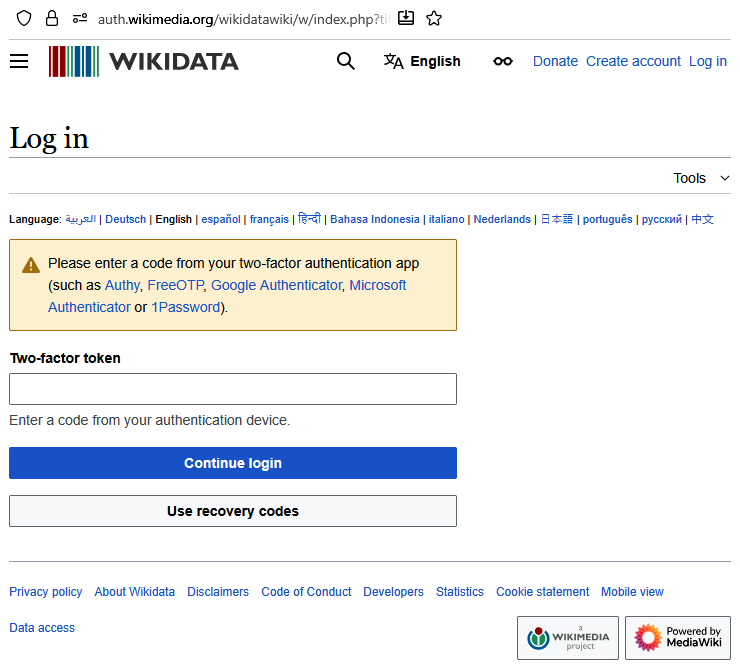
With 2FA enabled, even if a criminal steals your password, they won't be able to log in to your account because they don't have your phone or security key to provide the second piece of proof.
If you want to keep your online accounts safe, adding two-factor authentication (2FA) is the single most important step you can take.
Now, let's review what you've learned about protecting your digital world.
An email that appears to be from your bank asks you to click a link and verify your account details. This is most likely an example of what type of attack?
Why is using the same password for multiple websites considered a major security risk?
Understanding these threats and defenses is the first step toward a safer online experience. By being mindful of phishing, using strong passwords, and enabling 2FA, you can protect your digital life from most common attacks.