Digital Security Essentials
Understanding Digital Security
Your Digital Life Needs a Lock
Think about all the important information you have online. Your email, bank account, photos, and private messages are all stored digitally. Just like you lock your front door to protect your home, you need to secure your digital life to protect your personal information.
Digital security is all about keeping your data safe from people who shouldn't have access to it. It involves understanding the risks and taking simple steps to defend yourself against them.
Common Online Threats
To protect yourself, you first need to know what you're up against. While there are many types of online threats, a few are particularly common.

Phishing is when an attacker tries to trick you into handing over sensitive information, like your password or credit card number. They often send emails or text messages that look like they're from a legitimate company, such as your bank or a popular social media site. The message might create a sense of urgency, telling you to click a link to fix a problem with your account.
A good rule of thumb: If a message asks for your password or financial information, be suspicious. Legitimate companies will rarely ask for this information via email.
Malware is short for malicious software. It's a broad term for any software designed to harm your computer or steal your information. Common types include:
- Viruses: These attach themselves to legitimate programs and spread from one computer to another.
- Spyware: This software secretly monitors your activity, recording things like your keystrokes and browsing habits.
- Ransomware: This type of malware encrypts your files, making them inaccessible. The attacker then demands a ransom, usually in cryptocurrency, to restore your access.
A data breach happens when sensitive information is stolen from a company's database. You might have excellent personal security habits, but if a service you use gets hacked, your data—like your name, email, and password—could be exposed. This is why it's so important not to reuse passwords across different websites.
Your First Line of Defense
You don't need to be a security expert to protect yourself. Two basic practices can defend you from the most common attacks: using strong passwords and enabling two-factor authentication.
By implementing three core practices—using strong, unique passwords; storing them in a password manager; and enabling two-factor authentication—you'll protect yourself from the vast majority of password-related threats.
A strong password is your primary defense. Hackers use automated programs that can guess simple passwords in seconds. A password like password123 is like leaving your key under the doormat.
A strong password is:
- Long: Aim for at least 12 characters. The longer, the better.
- Complex: Mix uppercase and lowercase letters, numbers, and symbols.
- Unique: Never reuse passwords. If one site has a data breach, attackers won't be able to use that password to access your other accounts.
Even the strongest password can be stolen. That's where two-factor authentication, or 2FA, comes in. It adds a second layer of security to your accounts.
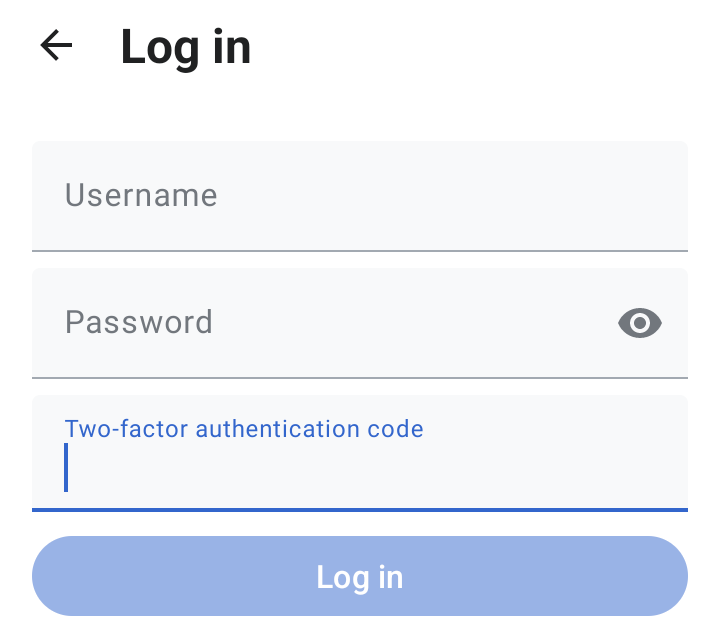
Think of it like withdrawing money from an ATM. You need two things: your bank card (something you have) and your PIN (something you know). 2FA works the same way online. After you enter your password (something you know), you must provide a second piece of information, usually a temporary code sent to your phone (something you have).
This means that even if a hacker steals your password, they still can't get into your account without also having access to your phone. It's a simple step that makes a huge difference.
An email arrives in your inbox that appears to be from your bank. It warns you that your account has been compromised and instructs you to click a link immediately to verify your login details. What type of security threat is this?
What is the primary purpose of Two-Factor Authentication (2FA)?
Building good security habits is the best way to stay safe online. Understanding these core concepts is the first and most important step.