Digital Rectal Examination Techniques
Anatomy of the Rectum and Anus
The Rectum's Place in the Pelvis
The rectum is the final section of the large intestine, connecting the colon to the outside of the body. It’s a muscular tube, about 12 to 15 centimeters (around 5 inches) long, that temporarily stores feces before they are eliminated.
Unlike the straight tube its name might suggest (rectum comes from the Latin word for 'straight'), it actually has two important curves. The sacral flexure is a backward curve that follows the shape of the sacrum and coccyx, the bones at the base of your spine. The anorectal flexure is a sharp forward bend where the rectum meets the anal canal. This bend is crucial for maintaining continence.
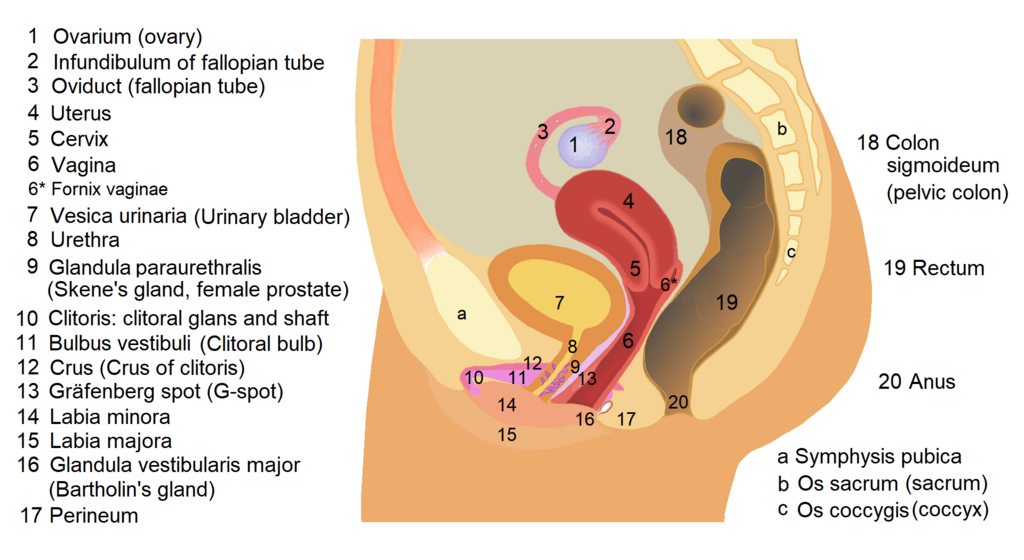
The rectum sits deep within the pelvic cavity. Its location relative to other organs differs between males and females due to the different reproductive systems.
Neighboring Organs
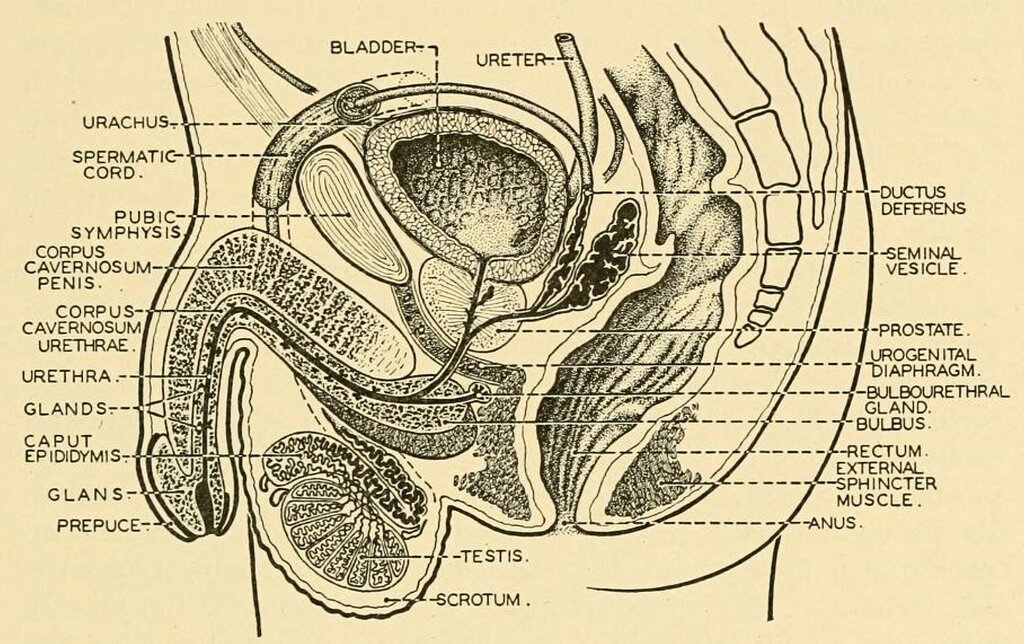
The front wall of the rectum lies directly against different structures in males and females. These relationships are critical for clinical examinations.
In males, the rectum's anterior wall is close to the prostate gland, seminal vesicles (which produce components of semen), and the bladder. This proximity is why a digital rectal exam can be used to feel the surface of the prostate for any abnormalities.
In females, the rectum is positioned behind the vagina and the cervix (the lower part of the uterus). A thin wall, the rectovaginal septum, separates the rectum from the vagina. The pouch-like space between the rectum and the uterus is called the rectouterine pouch, or the Pouch of Douglas.
The Anal Canal and Sphincters
The rectum narrows to become the anal canal, the final 3-4 centimeters of the digestive tract that opens to the exterior at the anus. This short but complex structure is surrounded by powerful muscles that control the release of stool.
Two sphincter muscles encircle the anal canal:
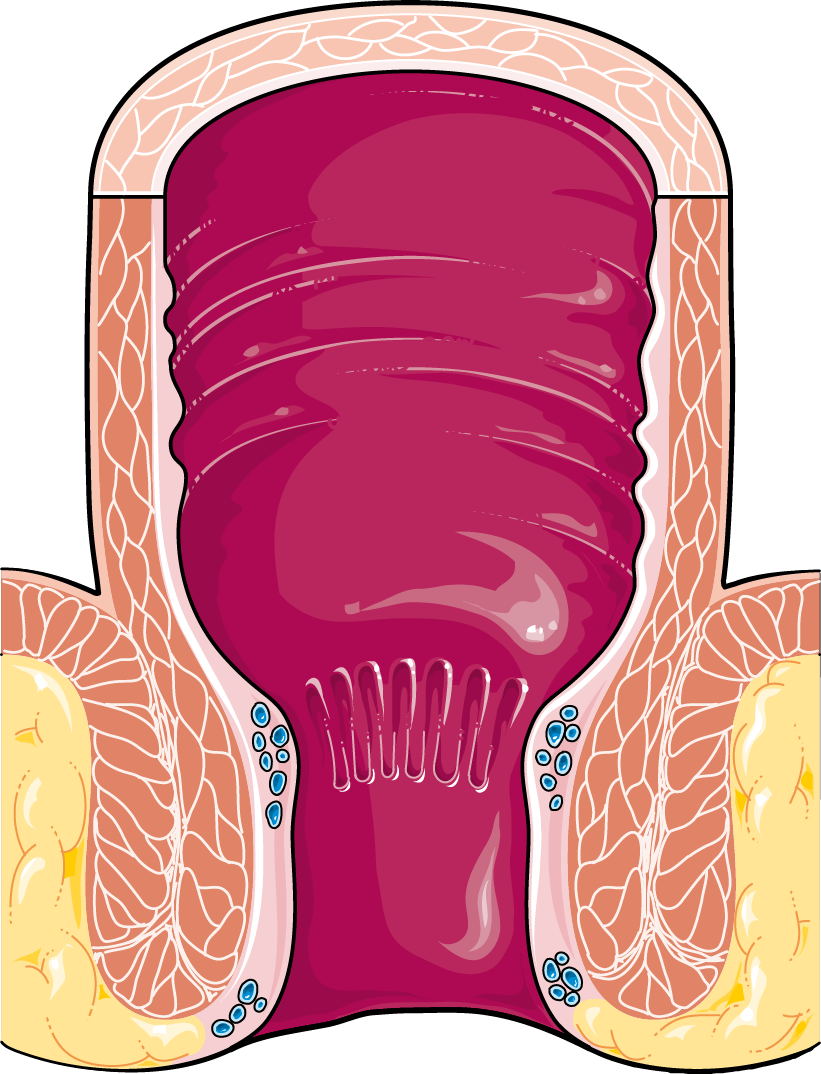
Internal Anal Sphincter: This is a ring of smooth muscle, which means it's under involuntary control. You don't consciously tell it to contract. It is a continuation of the circular muscle of the rectum and is responsible for about 70-85% of the resting tone that keeps the anal canal closed.
External Anal Sphincter: This is a ring of skeletal muscle, meaning it is under voluntary control. When you feel the urge to defecate, you can consciously tighten this muscle to prevent leakage until you reach a restroom.
Working together, these sphincters provide fine-tuned control over bowel movements. The internal sphincter maintains a constant state of closure, while the external sphincter provides conscious control for delaying defecation. This dual-muscle system is key to maintaining fecal continence.
Despite its name, which comes from the Latin for 'straight', the rectum has two distinct curves. What is the primary function of the anorectal flexure, the sharp forward bend at its lower end?
During a digital rectal exam in a male patient, which structure can be examined by palpating through the anterior wall of the rectum?
Understanding these anatomical structures is the first step in learning about many clinical procedures and conditions related to the lower digestive tract.