Digital Product Design and Development
Introduction to User-Centered Design
Putting People First
User-centered design (UCD) is an approach that places the user at the heart of the design process. Instead of building a product and hoping people like it, UCD starts with understanding the people who will use it. What do they need? What are their goals? How do they behave? Every decision, from the first sketch to the final product, is guided by the answers to these questions.
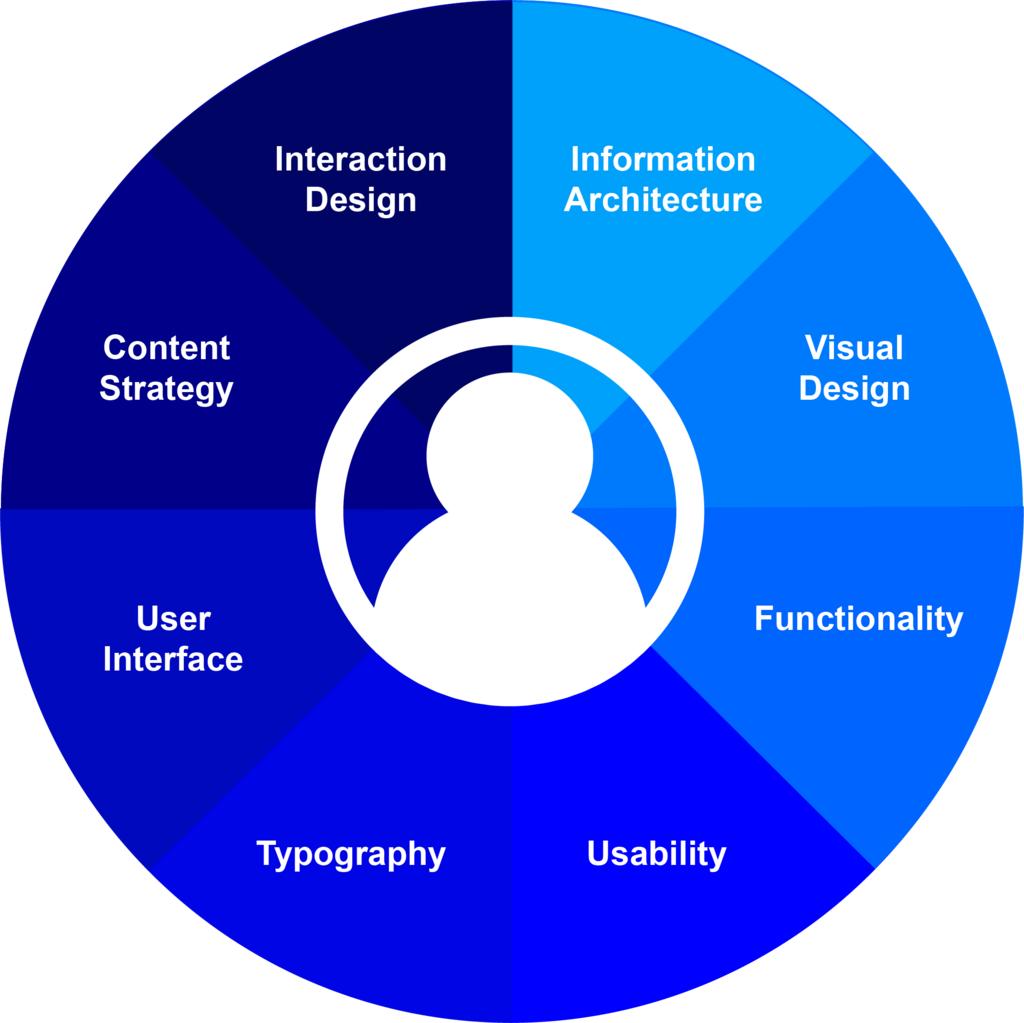
User-centered design (UCD) is a modern, widely practiced design philosophy rooted in the idea that users must take center-stage in the design of any computer system.
Think of it like designing a custom kitchen. You wouldn't just install standard cabinets and appliances. You'd first ask the homeowner about their cooking habits, their height, whether they're left- or right-handed, and how they move around the space. You design the kitchen for them. UCD applies this same logic to digital products like apps and websites.
The core principles of UCD are:
- Empathize with users: Understand their needs, goals, and context.
- Involve users: Collaborate with them throughout the design and development process.
- Iterate: Continuously test and refine designs based on user feedback.
A Brief History
In the early days of computing, systems were complex and built by engineers for engineers. The focus was on technological capability, and users were expected to adapt to the machine. If you couldn't figure it out, that was your problem.
This began to change in the 1970s and 80s as researchers and designers started to realize the importance of usability. The term "user-centered design" was popularized by Don Norman in his 1986 book User Centered System Design: New Perspectives on Human-Computer Interaction. This marked a significant shift, moving the focus from the machine's logic to the user's experience.
The Payoff of a User-First Approach
Adopting a user-centered approach isn't just about being nice to your users; it's smart business. When products are designed around user needs, they are more likely to be successful.
The benefits are clear:
- Increased User Satisfaction: Products that are intuitive and meet real needs create happier, more loyal users.
- Reduced Development Costs: Identifying usability issues early through user feedback is far cheaper than making major changes after a product has already been built and launched.
- Improved Market Adoption: A product that solves a real problem in an elegant way is more likely to be embraced by its target audience.
- Fewer Support Calls: When a product is easy to use, people don't need to call for help as often, saving time and resources.
UCD vs. Other Methods
User-centered design stands apart from other methodologies that prioritize different aspects of product development. Understanding these differences highlights why UCD is so effective for creating products people love.
| Methodology | Primary Focus | User Involvement |
|---|---|---|
| User-Centered Design | The user's needs, goals, and experience | High and continuous |
| Technology-Centered Design | Technical capabilities and limitations | Low; users adapt to the tech |
| Product-Centered Design | Features and business goals | Minimal; feedback gathered after launch |
While business goals and technology are still crucial, UCD ensures they serve the ultimate goal: creating a valuable and usable product for the end user. It’s a shift from asking "What can we build?" to "What should we build for our users?"
Ready to check your understanding of these core concepts?
What is the fundamental principle of User-Centered Design (UCD)?
User-Centered Design represents a shift in focus from "What can we build?" to "What _____ we build for our users?"
By keeping the user at the forefront, you set the stage for creating products that don't just work, but feel right.