Digital Mediator Professional Practice Analysis
Introduction to Digital Mediation
What is Digital Mediation?
At its heart, mediation is a way to resolve disagreements. A neutral third person, the mediator, helps two or more parties talk through their issues and find common ground. This process is voluntary, confidential, and guided by a desire to reach a mutually acceptable solution, rather than having one imposed by a judge.
Mediation
noun
A structured, interactive process where an impartial third party assists disputing parties in resolving conflict through the use of specialized communication and negotiation techniques.
Digital mediation is simply mediation that uses technology to bridge the distance. Instead of meeting in the same room, parties might connect through video calls, emails, or dedicated online platforms. This isn't just a change of venue; it fundamentally alters how the process works.
The scope is broad. Digital mediation is used in business disputes between international partners, family conflicts across state lines, and even arguments that start and live entirely online, like disagreements in a gaming community or a collaborative project.
Digital mediation uses technology not just as a tool, but as the environment where resolution happens.
From Town Squares to Touchscreens
For centuries, mediation was a face-to-face affair. Think of village elders gathering conflicting parties under a tree, or diplomats negotiating in a grand hall. Presence was paramount. Seeing a person's body language and hearing the tone of their voice was considered essential for building trust and understanding.
The 20th century introduced distance mediation through letters and phone calls, but these were slow and lacked visual cues. The real revolution came with the internet. Suddenly, distance wasn't the barrier it once was. Email allowed for careful, asynchronous communication, while video conferencing brought back the crucial element of face-to-face interaction, even across continents.
This shift didn't happen overnight. Early online mediation was clunky and often text-based, but as technology improved, so did its potential for resolving conflict. What began as a niche practice for tech-savvy mediators is now a mainstream approach, accelerated by a global need for remote solutions.
A New Kind of Neutral
The core responsibilities of a mediator remain the same: facilitate communication, remain impartial, and guide parties toward a resolution. However, the digital context adds new layers to this role.
A digital mediator must be more than just a good communicator; they must also be tech-savvy. They are responsible for choosing the right platform for the dispute, ensuring all parties can use it effectively, and troubleshooting technical glitches that could derail a sensitive conversation. They become the architect of the virtual mediation room.
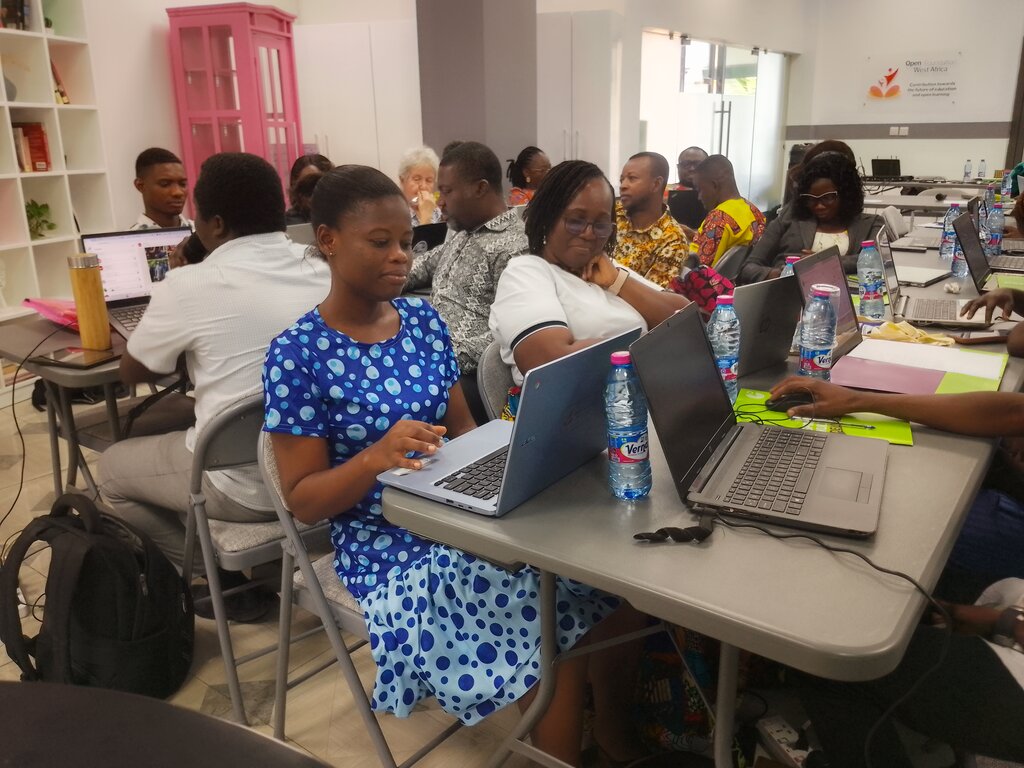
Managing the flow of conversation is also different online. In a room, a mediator can read body language and interject at the right moment. Online, they must be more deliberate, setting clear rules for speaking and using the platform's features, like a "raise hand" button, to keep the dialogue orderly and fair.
Perhaps most importantly, they are the guardians of the process's integrity. This means ensuring the confidentiality of communications through secure platforms and helping parties navigate the unique emotional challenges of digital conflict, where misunderstandings can escalate quickly without the nuance of in-person contact.
Educators leverage technology tools and digital resources to enhance instruction, facilitate collaboration, and foster digital literacy skills.
Ultimately, the role expands from facilitator to a blend of technologist, process manager, and communication coach, all adapted for the online world.
What is the primary goal of mediation?
How does digital mediation primarily differ from traditional, in-person mediation?
Understanding these fundamentals is the first step. By grasping what digital mediation is, how it evolved, and the new responsibilities it creates, you can better analyze its application in any professional setting.