Digital Media Advertising Essentials
Introduction to Digital Media Advertising
What Is Digital Advertising?
Digital advertising is simply the practice of delivering promotional content to people through online channels. If you’ve seen a sponsored post on social media, a video ad before a YouTube clip, or a banner on a website, you’ve seen digital advertising.
Its importance has exploded because it meets people where they are: on their phones, laptops, and tablets. Unlike a billboard on a highway, digital ads are woven into the content we consume daily, making them a powerful tool for businesses to reach potential customers.
Think of it as the modern version of a town crier, but instead of shouting in a square, it’s whispering to individuals through their screens.
From Print to Pixels
Advertising used to be a one-way street. Companies would place ads in newspapers, on the radio, or on television, broadcasting a single message to a massive, undefined audience. They hoped the right people were listening or watching at the right time. It was a bit like shouting into a canyon and hoping for an echo.
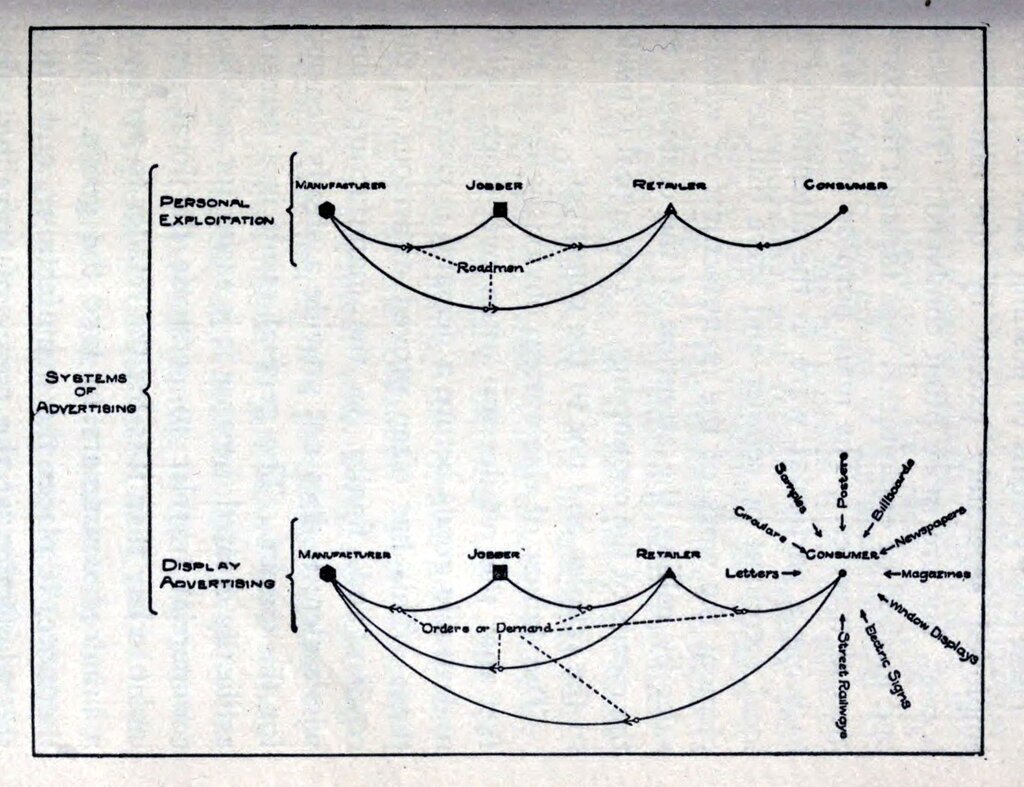
The internet changed everything. The first banner ad went live in 1994, and suddenly, advertising wasn't just about broadcasting—it was about interacting. With the rise of search engines and social media, advertising evolved from a monologue into a conversation. Companies could now connect with people based on their interests, searches, and online behavior.
Old School vs. New School
The shift from traditional to digital created a new set of rules. While both aim to persuade, their methods and capabilities are worlds apart. Traditional advertising is like using a megaphone, while digital advertising is more like having a personal conversation.
| Feature | Traditional Advertising | Digital Advertising |
|---|---|---|
| Audience | Broad, general public | Specific, targeted demographics |
| Communication | One-way message | Two-way, interactive |
| Pacing | Long-term campaigns | Fast, real-time adjustments |
| Feedback | Delayed, difficult to measure | Immediate, data-rich |
This table highlights the core differences, but the real power of digital advertising lies in a few key advantages.
The Digital Advantage
Why did digital advertising take over? It comes down to being smarter, faster, and more efficient. Three major benefits stand out: targeting, measurability, and engagement.
Targeting: Precision Matters
Imagine you sell high-end cat toys. With traditional advertising, you might put an ad in a magazine and hope cat owners see it. With digital advertising, you can show your ad specifically to people who have liked cat pages on social media, searched for cat food online, and live within ten miles of a pet store. This ability to pinpoint a specific audience is incredibly powerful and cost-effective.
Measurability: Knowing What Works
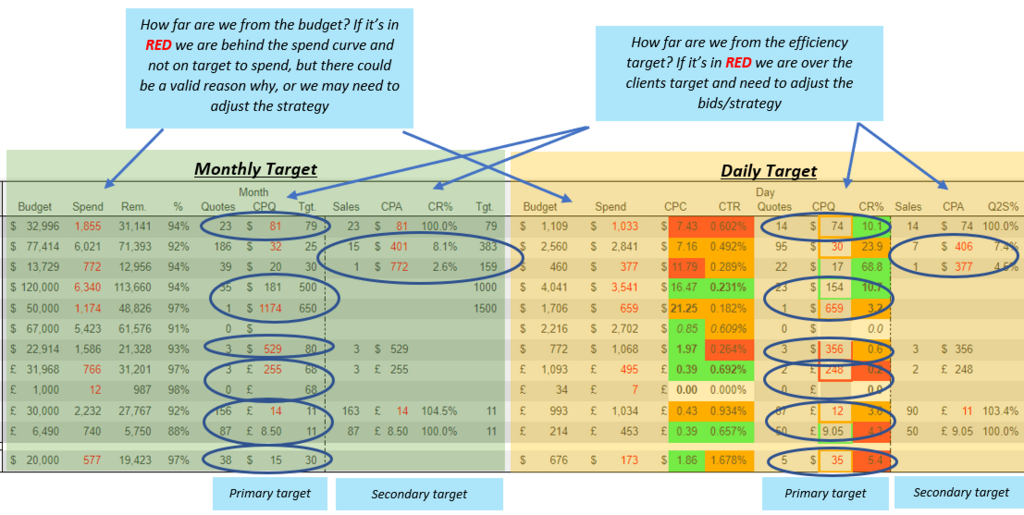
If you run a TV commercial, how do you know how many people saw it and then went to your store? It’s hard to say. Digital advertising, on the other hand, is highly measurable. Advertisers can track exactly how many people saw an ad, how many clicked on it, and how many made a purchase. This data allows them to see what's working and what isn't, and to make changes on the fly.
Engagement: Starting a Conversation
Traditional ads talk at you. Digital ads can talk with you. Users can like, comment on, share, and save ads. They can click to learn more, watch a video, or sign up for a newsletter. This level of interaction turns passive viewers into active participants, creating a stronger connection between the customer and the brand.
Now that you have a grasp of what digital advertising is and why it's so dominant, let's check your understanding.
What is the primary practice of digital advertising?
Which of the following is a key advantage of digital advertising over traditional advertising?
These core concepts—targeting, measuring, and engaging—are the foundation of all modern digital advertising. Understanding them is the first step to understanding the online world we live in.