Digital Marketing Strategy Mastery
Channel Synergy
The PPC and SEO Flywheel
Most marketers treat Pay-Per-Click (PPC) advertising and Search Engine Optimization (SEO) as separate disciplines. PPC is for fast results; SEO is for long-term growth. While true, this view misses the most powerful part of a modern digital strategy: the synergy between them. When used together, they create a feedback loop where each channel makes the other stronger, driving down costs and increasing conversions.
The best businesses use SEO and PPC because they complement each other.
Think of your digital presence as an ecosystem. Paid ads are not just a way to buy traffic; they are a real-time laboratory for understanding your audience. The data you gather from PPC campaigns—which keywords convert, what ad copy resonates, which demographics respond—is invaluable. This data provides a clear, data-backed roadmap for your long-term SEO content strategy, removing much of the guesswork.
Using PPC as Your SEO Lab
An SEO keyword strategy can take months to validate. You research terms, create content, and wait for search engines to rank it. A PPC campaign, however, gives you data in days. By running ads targeting a group of keywords, you can quickly see which ones actually drive traffic and, more importantly, conversions. The terms with the highest conversion rates are your prime candidates for SEO.
You're essentially paying for market research. Instead of investing heavily in creating content around a term you think is valuable, you can bid on it, test your assumptions, and then double down on the proven winners with your long-term organic efforts. This is especially useful for high-intent, long-tail keywords that might not have huge search volume but attract highly qualified buyers.
Use PPC to find your most profitable keywords, then use SEO to own them.
This data-driven approach extends beyond just keywords. The ad copy from your most successful PPC ads—those with the highest click-through rates (CTR)—provides a template for your page titles and meta descriptions in search results. If a headline works in a paid ad, it's likely to attract clicks in an organic listing, too. This synergy ensures your messaging is consistent and effective across all touchpoints on the .
How SEO Makes Your Ads Cheaper
The relationship is a two-way street. A strong SEO foundation directly improves the performance of your PPC campaigns by boosting your . This is a metric Google uses to determine the relevance and quality of your ads. It's a key factor in calculating your ad rank and, crucially, your cost-per-click (CPC).
A high Quality Score means Google sees your ad and landing page as highly relevant to what the user is searching for. The reward? You pay less for a better ad position. A significant component of your Quality Score is 'Landing Page Experience.' A well-optimized page, born from good SEO practices—fast load times, clear content, mobile-friendliness—will naturally result in a better landing page experience score. This lowers your CPC and stretches your ad budget further.
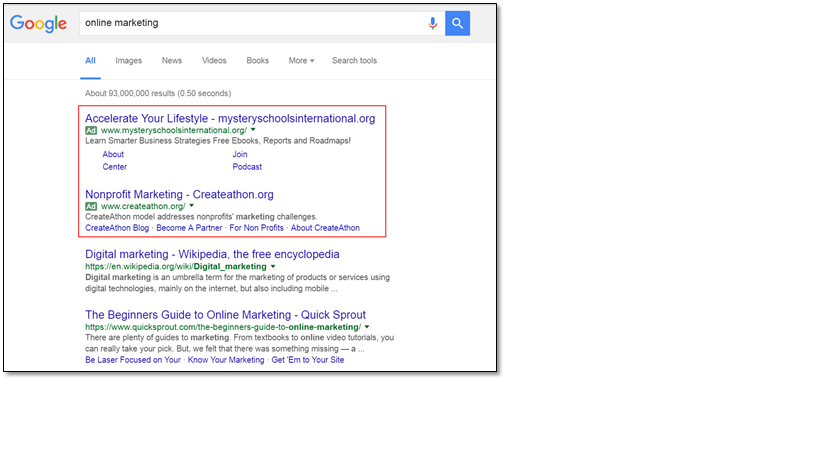
The goal is to achieve what's known as 'SERP domination.' When a user sees your brand in both the paid ad section and the top organic results, it builds immense trust and authority. They perceive you as a leader in that space. This double-exposure dramatically increases the likelihood of a click. Some users are inherently distrustful of ads and will only click organic results, while others want a quick answer and click the first thing they see. By being in both places, you capture both segments.
Unifying the Message
Synergy isn't limited to just search. Insights from your search campaigns can supercharge your social media advertising. For instance, you might notice through your Google Ads data that users searching for 'eco-friendly running shoes' also show a strong interest in hiking and outdoor gear. You can then use this insight to create a lookalike audience on Facebook or Instagram, targeting users with interests in hiking, national parks, and sustainable brands.
This cross-channel communication also works in reverse. High-engagement posts on social media can reveal compelling angles, visuals, and language that you can then test in your PPC ad copy and even incorporate into your website's content. If a particular image or turn of phrase goes viral on Instagram, it's a strong signal that it resonates with your target audience.
By aligning your messaging across platforms, you create a cohesive and trustworthy brand experience. The customer journey is no longer a series of isolated interactions, but a connected conversation.
By now you should have a firm grasp of the importance of an integrated strategy. Let's see how well you've understood these concepts.
What is the primary benefit of treating PPC and SEO as an integrated system rather than separate disciplines?
How can a PPC campaign be used as a 'real-time laboratory' to guide an SEO content strategy?
Combining paid, owned, and earned media is the hallmark of a sophisticated digital marketer. It transforms your efforts from a collection of tactics into a powerful, self-reinforcing growth engine.