Digital Marketing Strategy and Application
Digital Marketing Strategy
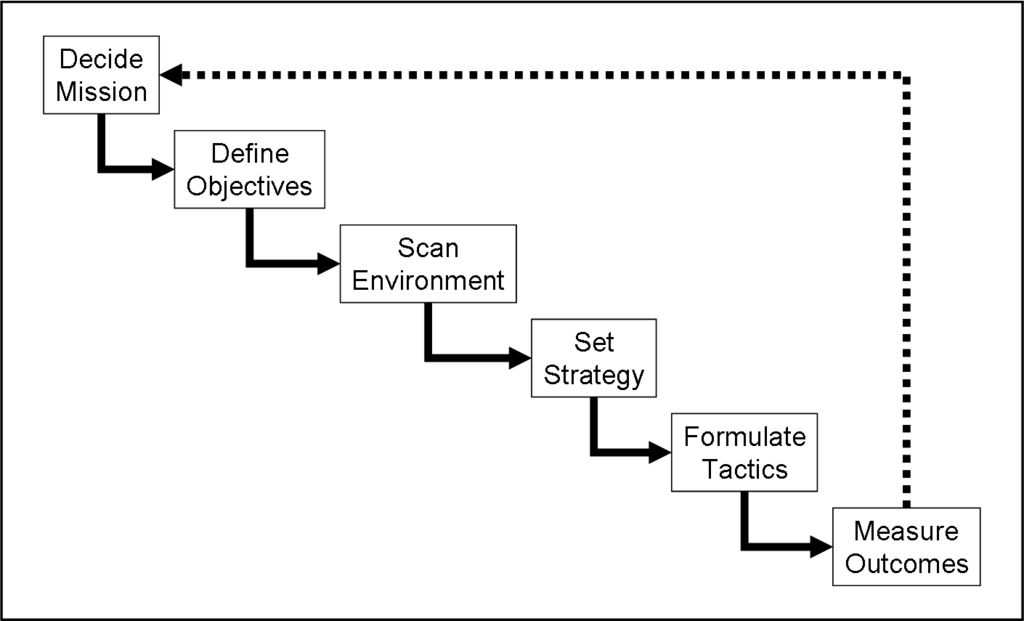
Set Clear Goals First
A strategy without a clear goal is like a ship without a rudder. Before you decide on tactics, you need to define what success looks like. Your marketing goals should be directly tied to your overall business objectives. Are you trying to increase sales by 20% this quarter? Boost brand awareness in a new market? Generate a specific number of qualified leads for your sales team?
To make your goals effective, use a framework. A popular one is SMART:
- Specific: Instead of "get more traffic," aim for "increase organic website traffic by 15%."
- Measurable: You need a way to track progress. Use key performance indicators (KPIs) like conversion rate, click-through rate, or cost per acquisition.
- Achievable: Be realistic. Set ambitious goals, but ensure they're attainable with your available resources and budget.
- Relevant: Does this marketing goal support a broader business objective? If not, it's a distraction.
- Time-bound: Every goal needs a deadline. "Increase traffic by 15% in the next three months" creates urgency and a clear timeline for evaluation.
Identify Your Audience
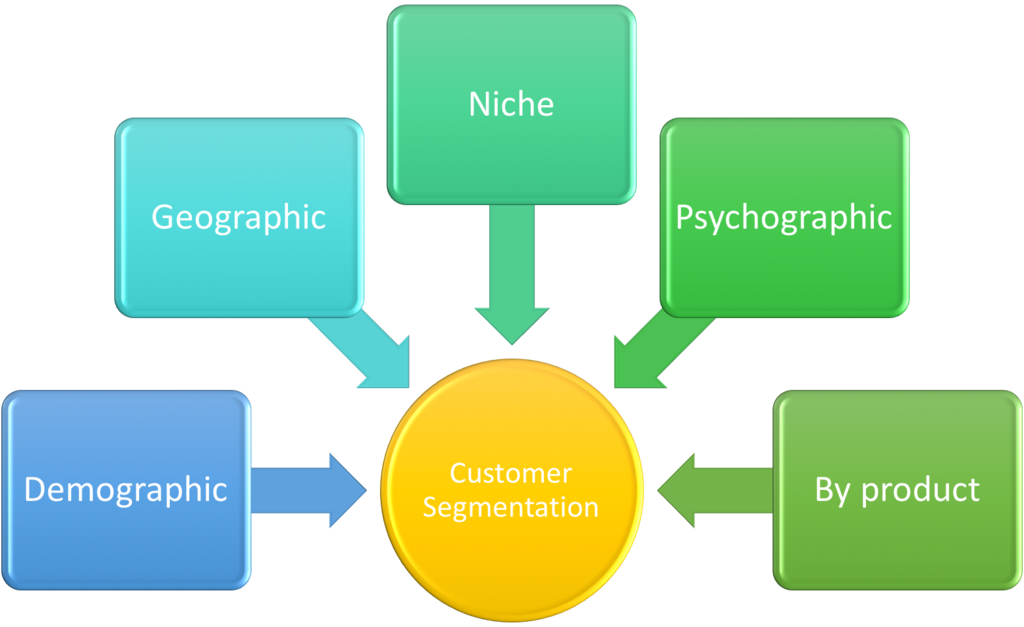
You can't speak to everyone, so don't try. Effective marketing speaks directly to a specific group of people who are most likely to become customers. To do this, you need to move beyond basic demographics like age and location.
Dive deeper into psychographics. What are your audience's values, interests, and pain points? What are their online habits? Where do they hang out online? Answering these questions helps you create a detailed buyer persona—a fictional character representing your ideal customer. Giving this persona a name and a backstory makes it easier to craft messaging that resonates.
For example, a company selling sustainable hiking gear might target "Eco-conscious Alex," a 32-year-old graphic designer who values experiences over possessions, follows environmental blogs, and spends weekends exploring national parks. This level of detail informs everything from the tone of your emails to the visuals you use on Instagram.
Select the Right Channels
Once you know your goals and who you're talking to, choosing your digital marketing channels becomes much easier. The golden rule is to be where your audience is. If "Eco-conscious Alex" is active on Pinterest and reads long-form outdoor adventure blogs, then those are the channels you should prioritize. Trying to reach him on LinkedIn would likely be a waste of resources.
Different channels also serve different goals. Search Engine Optimization (SEO) is excellent for capturing users with high purchase intent, while social media is better for building community and brand awareness. Email marketing is ideal for nurturing leads and encouraging repeat business.
| Goal | Primary Channels | Why It Works |
|---|---|---|
| Brand Awareness | Social Media, Display Ads, Content Marketing | Reaches a broad audience and builds familiarity over time. |
| Lead Generation | SEO, Pay-Per-Click (PPC), Webinars | Captures users actively searching for solutions you provide. |
| Customer Retention | Email Marketing, Social Media Community | Nurtures existing relationships and encourages loyalty. |
| Direct Sales | PPC, Email Marketing, Social Commerce | Drives immediate action from users who are ready to buy. |
Integrate Your Efforts
Your digital marketing channels shouldn't operate in silos. A successful strategy integrates them into a cohesive customer experience. The messaging, branding, and offers should be consistent across every touchpoint, whether a customer finds you through a Google search, a Facebook ad, or an email newsletter.
Think of it like a conversation. A customer might discover your brand through an Instagram post (Awareness), visit your blog to learn more (Consideration), and then sign up for your email list to get a discount before finally making a purchase (Conversion). Each channel plays a specific role in guiding the user along that journey. The transition between them should feel seamless.
By aligning your goals, audience, and channels, you create a focused and efficient digital marketing machine. Now let's test your knowledge.
Which of the following marketing goals is the most effective according to the SMART framework?
A company selling specialized software for architects is creating a buyer persona. Which of these details is an example of psychographics, as opposed to demographics?
Building a solid strategy is the foundation for all successful digital marketing campaigns.