Digital Marketing Fundamentals
Introduction to Digital Marketing
Marketing in a Digital World
Think about the last thing you bought. Did you see it on TV or hear about it on the radio? Or did you find it through a Google search, see an ad on social media, or read a blog post about it?
Chances are, digital channels played a role. That’s the core of digital marketing: promoting products or services using digital technologies, mainly on the internet. Unlike traditional marketing (think billboards and print ads), digital marketing allows for direct, two-way conversations with customers and provides a huge amount of data about what works and what doesn’t.
Digital marketing refers to the promotion of products or services using digital channels, such as search engines, websites, social media, email, and mobile apps.
The importance of this shift is hard to overstate. Businesses can now reach a global audience, target very specific groups of people, and measure the success of their campaigns with incredible accuracy. It's not just about selling; it's about building relationships and creating a brand presence where people spend their time: online.
The Main Channels
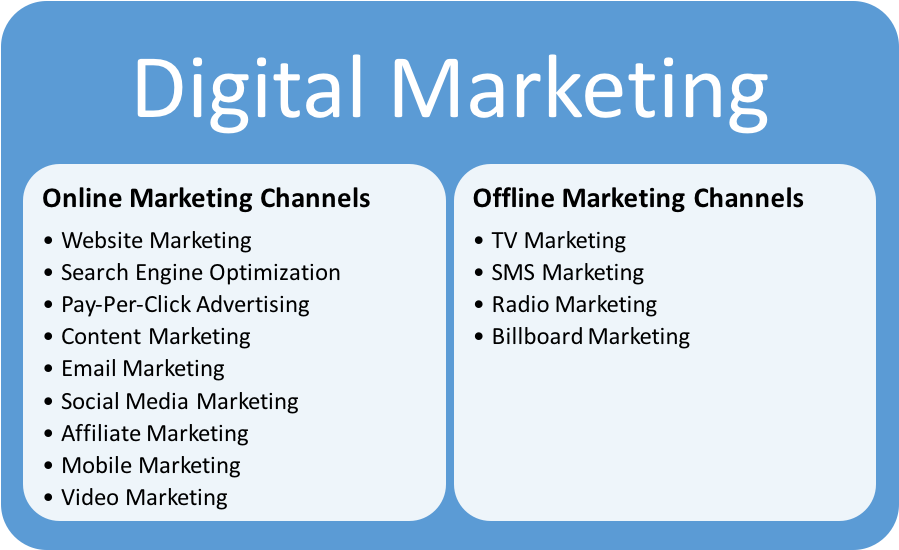
Digital marketing isn't just one thing. It's a collection of different tools and strategies, often called channels. Each channel has its own strengths, and they work best when used together. Let's look at the most common ones.
SEO
noun
Search Engine Optimization is the practice of increasing the quantity and quality of traffic to your website through organic search engine results.
Search Engine Optimization (SEO): This is all about making your website more visible on search engines like Google. When someone searches for a term related to your business, you want to show up on the first page. SEO involves optimizing your site's content and structure to make it more attractive to search engines.
Social Media Marketing: This channel involves using platforms like Facebook, Instagram, Twitter, and LinkedIn to connect with your audience. It's not just about posting ads; it's about building a community, sharing valuable content, and engaging in conversations.
Content Marketing: The focus here is on creating and sharing valuable, relevant, and consistent content to attract a clearly defined audience. This could be anything from blog posts and videos to podcasts and infographics. The goal is to provide value first, rather than just pitching a product.
Email Marketing: One of the most direct channels, email marketing involves sending messages to a list of subscribers. These people have given you permission to contact them, making it a powerful way to nurture leads, share news, and promote special offers.
Paid Advertising: Also known as pay-per-click (PPC), this is when you pay to place ads on search engines, social media, and other websites. You're essentially buying visits to your site. A common example is the sponsored results you see at the top of a Google search page.
Creating a Unified Strategy
These channels shouldn't operate in isolation. The real power of digital marketing comes from integrating them into a single, cohesive strategy. Each channel should support the others to create a seamless experience for the customer.
Imagine a customer's journey. They might discover your brand through a social media post (Social Media). This leads them to read a helpful blog post on your website (Content Marketing). Because they found it useful, they sign up for your newsletter (Email Marketing). Later, they see a targeted ad for one of your products (Paid Advertising) and decide to buy.
In this example, every channel played a part in guiding the customer. A unified strategy ensures your messaging is consistent across all platforms and that you're communicating with the right people at the right time. By understanding how these pieces fit together, you can build a marketing plan that effectively reaches, engages, and converts your target audience.
Now, let's test your understanding of these foundational concepts.
What is the primary characteristic that distinguishes digital marketing from traditional marketing?
Which digital marketing channel focuses on creating and sharing valuable content like blog posts, videos, and infographics to attract an audience?
Understanding these core channels and how they work together is the first step in navigating the world of digital marketing.