Digital Marketing Fundamentals
Introduction to Digital Marketing
What Is Digital Marketing?
At its core, digital marketing is any marketing effort that uses an electronic device or the internet. It's how companies connect with current and potential customers through digital channels.
Think about the last time you bought something. Did you see an ad for it on social media? Did you search for reviews on Google? Maybe you got an email about a sale. All of that is digital marketing in action.
Digital Marketing is the process of promoting products, services, and personal brands using the internet and digital technologies.
Marketing has always been about connecting with your audience in the right place and at the right time. Today, that means you need to meet them where they are already spending time: online. From the early days of simple banner ads to the complex world of social media influencers and AI-powered campaigns, digital marketing has rapidly evolved alongside technology.
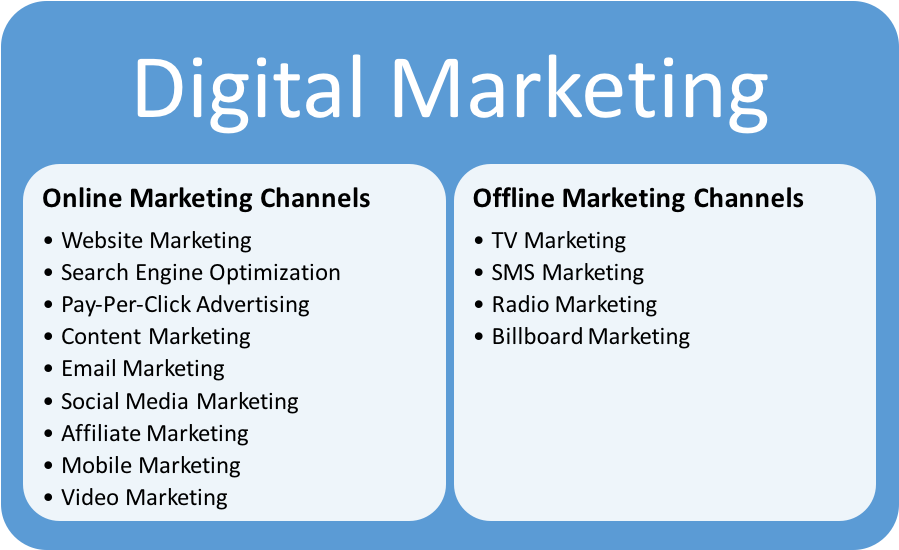
Digital vs. Traditional Marketing
The biggest difference between digital and traditional marketing is the medium. Traditional marketing uses channels like print (magazines, newspapers), broadcast (TV, radio), and direct mail. It's often a one-way conversation—a company broadcasts its message out to a wide audience.
Digital marketing, on the other hand, is a two-way street. It allows for immediate interaction and conversation. A customer can comment on a social media post, click an ad to learn more, or leave a review. This engagement provides valuable feedback and builds relationships.
| Feature | Traditional Marketing | Digital Marketing |
|---|---|---|
| Communication | One-way (broadcast) | Two-way (interactive) |
| Targeting | Broad (e.g., all readers of a magazine) | Highly specific (e.g., age, location, interests) |
| Measurement | Difficult and often estimated | Precise and in real-time |
| Cost | Often high with less certain ROI | More flexible and often more cost-effective |
The ability to target specific audiences is a game-changer. A local bakery, for instance, can use digital marketing to show ads only to people who live within a five-mile radius and have shown an interest in desserts. That kind of precision is nearly impossible with a newspaper ad.
Key Components
The world of digital marketing is vast, but it can be broken down into a few core components. Think of them as the essential tools in a marketer's toolkit.
The main building blocks are the platforms where you connect, the media you use to communicate, and the data you collect to improve.
Platforms are the digital spaces where you can reach your audience. This includes everything from search engines like Google to social media networks like Instagram, Facebook, and TikTok. Email and mobile apps are also key platforms.
Media refers to the actual content you create and distribute. It's typically categorized into three types:
- Paid Media: This is when you pay to promote your content, such as paying for ads on Google or Facebook. It's a great way to reach new people quickly.
- Owned Media: These are the channels you control, like your company's website, blog, or social media profiles. You have complete authority over the content.
- Earned Media: This is the publicity you get from others. Think of it as word-of-mouth in the digital age. It includes customer reviews, press mentions, and people sharing your content on social media.
Finally, data is the thread that connects everything. In digital marketing, almost every action is measurable. This brings us to a crucial concept: analytics.
The Power of Data
If traditional marketing is like throwing a message in a bottle into the ocean, digital marketing is like sending a tracked package. You know exactly who received it, when they opened it, and what they did next.
Data analytics is the process of collecting and analyzing this information. Marketers can track metrics like:
- How many people saw an ad?
- How many clicked on it?
- How much time did they spend on the website?
- Did they make a purchase?
This data is incredibly powerful. It helps businesses understand what's working and what isn't, allowing them to make smarter decisions and spend their marketing budgets more effectively. Instead of guessing, marketers can use data to understand customer behavior and refine their strategies for better results.
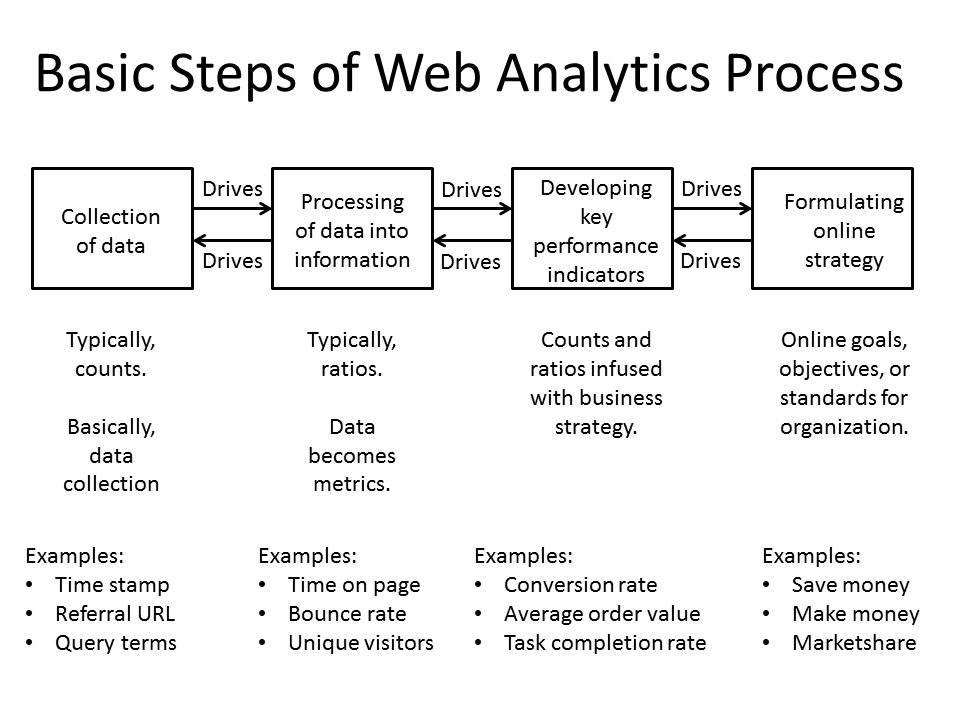
By understanding these fundamentals—what digital marketing is, how it differs from traditional methods, its key components, and the importance of data—you have the foundation needed to explore this dynamic field.