Digital Marketing Fundamentals
Introduction to Digital Marketing
What Is Digital Marketing?
Marketing has always been about connecting with people in the right place, at the right time. In the past, that meant placing an ad in a newspaper or on a billboard. Today, it means meeting them where they spend a huge chunk of their time: online.
Digital marketing is any marketing effort that uses an electronic device or the internet. It's a broad term that covers a wide range of activities, all aimed at reaching potential customers through the digital world.
Digital Marketing
noun
The promotion of brands to connect with potential customers using the internet and other forms of digital communication.
Think of it as a giant umbrella. Underneath it, you'll find everything from your company's website to your social media presence, email campaigns, and online advertising. It's how businesses today build their brand, find new customers, and build lasting relationships.
A New Kind of Megaphone
Traditional marketing is like shouting through a megaphone at a large crowd. You broadcast one message to as many people as possible, hoping some of them are interested. Think of TV commercials, radio ads, and magazine placements. It's a one-way street.
Digital marketing changes the conversation. Instead of a megaphone, you have a telephone. It allows for a two-way dialogue with your audience. You can target specific groups, interact with them directly, and get immediate feedback. This makes your marketing more personal and much more effective.
| Feature | Traditional Marketing | Digital Marketing |
|---|---|---|
| Reach | Local or national, often limited | Potentially global |
| Targeting | Broad (e.g., magazine readers) | Highly specific (e.g., age, interests) |
| Interaction | One-way communication | Two-way, real-time conversation |
| Measurement | Difficult and often estimated | Precise and immediate tracking |
| Cost | Often high with uncertain ROI | Scalable, from small to large budgets |
The Benefits of Going Digital
The shift from traditional to digital isn't just a trend; it's driven by clear advantages that help businesses of all sizes succeed.
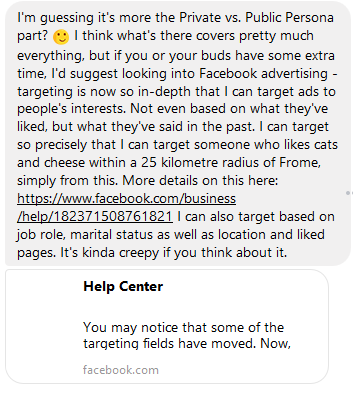
First, digital marketing allows you to reach a massive audience. Your small local shop can sell products to someone on the other side of the world. But more importantly, you can connect with the right audience. Digital platforms let you target people based on their interests, demographics, and online behavior. This means your message is seen by those most likely to become customers.
Digital marketing is also highly measurable. Unlike a billboard, where you can only guess its impact, every digital campaign provides a wealth of data. You can track how many people saw your ad, clicked on it, and made a purchase. This allows you to understand what's working, what isn't, and how to improve your results over time.
Finally, it's cost-effective. While a national TV campaign can cost a fortune, you can start a digital ad campaign with a small budget. This levels the playing field, allowing small businesses to compete with larger corporations.
Your Digital Marketing Toolbox
Digital marketing isn't just one thing. It's a collection of different tools and channels, each with its own strengths. Here's a quick look at some of the most common ones.
Search Engine Optimization (SEO): The process of optimizing your website to rank higher in search engine results, like on Google. This helps more people find you organically.
Content Marketing: Creating and sharing valuable free content—like blog posts, videos, and ebooks—to attract and retain a clearly defined audience.
Social Media Marketing: Promoting your brand and content on social media channels like Facebook, Instagram, and LinkedIn to increase brand awareness and drive traffic.
Pay-Per-Click (PPC) Advertising: A model of internet marketing in which advertisers pay a fee each time one of their ads is clicked. The most common type is search engine advertising.
Email Marketing: A way to communicate with your audience directly in their inbox. It's used to promote content, share discounts, and direct people toward your website.
These channels often work together to create a cohesive marketing strategy. For example, you might create a great blog post (content marketing), promote it on social media, and use SEO to help it rank on Google. This integrated approach is what makes digital marketing so powerful.
Ready to check your understanding?
What is the core difference between digital and traditional marketing, as described in the text?
According to the text, which of the following is a primary advantage of digital marketing?
Now you have a solid grasp of what digital marketing is and why it's essential in today's world. By understanding these core concepts, you're ready to explore the specific strategies that can help a business grow.