Digital Marketing Fundamentals and Strategy
Digital Marketing Landscape
From Billboards to Clicks
Not long ago, marketing was a one-way street. Companies broadcasted messages through television commercials, radio spots, and giant billboards, hoping to catch someone's attention. It was like shouting into a crowded room and wishing the right person would hear you. This approach, known as traditional marketing, was expensive and its results were difficult to track. Did that $30,000 magazine ad actually lead to sales? It was often a mystery.
Then the internet changed everything. Suddenly, marketing became a conversation. Digital marketing turned the one-way street into a dynamic intersection. Instead of just broadcasting, businesses could interact with customers, listen to their feedback, and tailor messages specifically for them. This shift gave consumers more power and gave companies a much clearer picture of what was working and what wasn't.
The Digital Toolkit
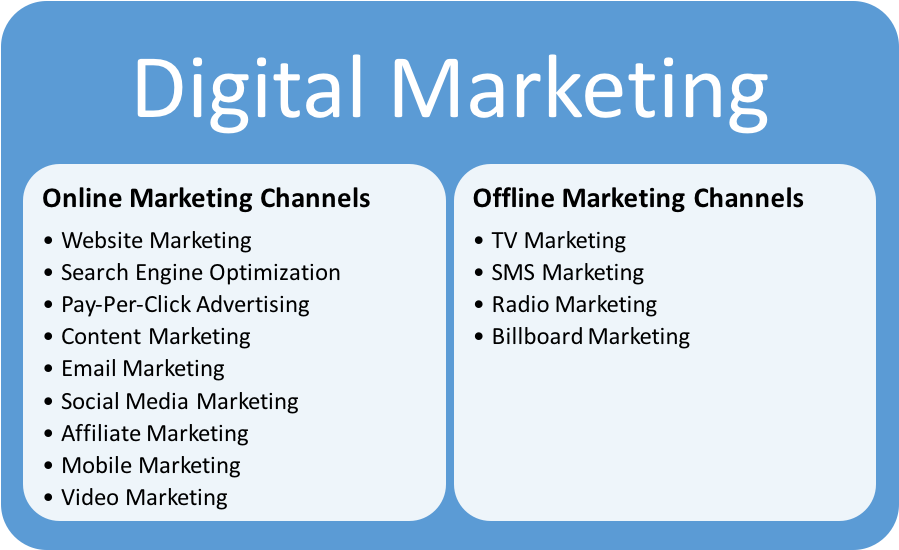
Digital marketing isn't just one thing; it's a collection of tools and channels, each with a specific purpose. Think of it like a mechanic's toolbox. You wouldn't use a hammer to change a tire. Similarly, you choose the right digital channel based on your goals and who you're trying to reach.
| Channel | Role |
|---|---|
| Search Engine Optimization (SEO) | Helping people find you on Google without paying for ads. |
| Search Engine Marketing (SEM) | Paid ads that appear at the top of search engine results. |
| Content Marketing | Creating useful articles, videos, or guides to attract and help an audience. |
| Social Media Marketing | Engaging with customers on platforms like Instagram, LinkedIn, or TikTok. |
| Email Marketing | Sending targeted messages directly to people who've opted in. |
| Affiliate Marketing | Partnering with others to promote your product for a commission. |
Each channel plays a unique role in guiding a potential customer from awareness to purchase. The goal is to create a seamless experience across these channels, meeting customers wherever they are online.
Marketing in Motion
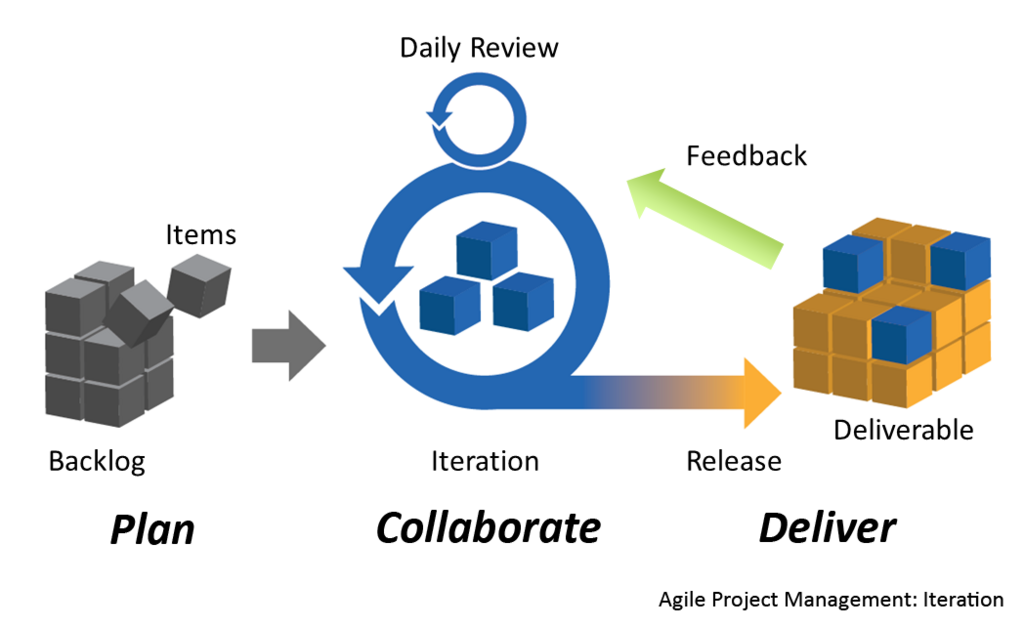
The digital world moves fast, and marketing needs to keep up. This is where Agile frameworks, originally from software development, come into play. Instead of creating a rigid, year-long marketing plan, Agile marketing works in short, flexible cycles called "sprints."
Teams focus on small, high-impact projects, launch them quickly, and then use real data to see what worked. This allows marketers to adapt to changing trends and customer feedback on the fly. It’s a shift from "let's hope this giant campaign works" to "let's test this idea, learn from it, and improve."
This approach also aligns perfectly with Product Management. A product isn't just the thing you sell; it's the entire customer experience. Marketing is a key part of that experience. By working closely with product teams, marketers can ensure that the story they tell aligns with the product's features and value.
Product managers define the 'what' and the 'why' of a product, while digital marketers handle the 'how' of reaching and engaging the right audience. When these two functions are in sync, the business can build products people love and create messages that resonate, leading to a much stronger market position.
What is the primary way digital marketing differs from traditional marketing, according to the text?
In the context of Agile marketing, what is a 'sprint'?