Digital Marketing Fundamentals
Introduction to Digital Marketing
What Is Digital Marketing?
At its core, digital marketing is simply marketing that uses electronic devices and the internet. It's how businesses promote goods, services, and brands through online channels. Think about the last time you saw an ad on social media, got a promotional email, or searched for a product on Google. That was all digital marketing.
Unlike traditional marketing, which uses print ads, billboards, or television, digital marketing allows for direct interaction with your audience. It's a two-way conversation. You can see who is engaging with your content, what they like, and what they ignore. This direct feedback is incredibly powerful.
The key difference is data. Digital marketing provides immediate, measurable results, allowing businesses to adapt their strategies in real time.
The Main Channels
Digital marketing isn't just one thing. It's a collection of different channels, each with its own strengths. Most successful strategies use a mix of them.
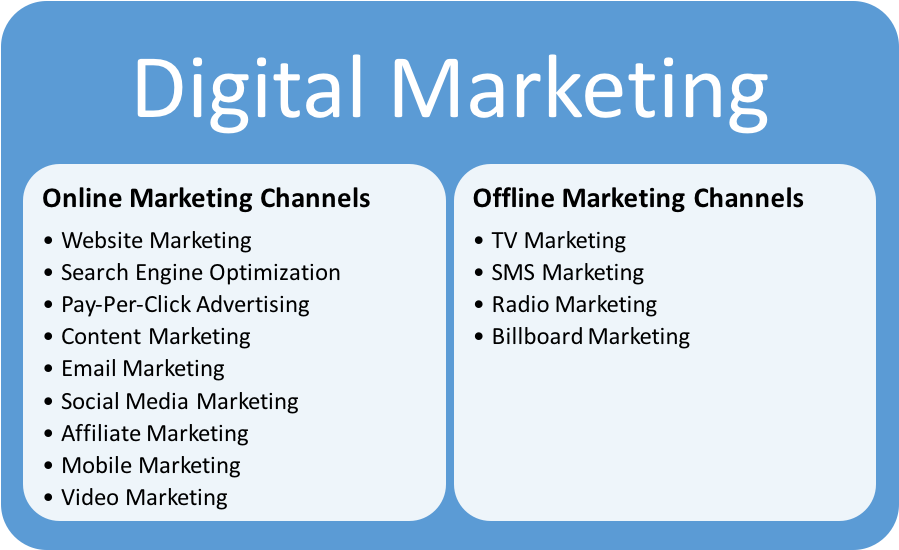
Here are the heavy hitters:
| Channel | What It Is | Analogy |
|---|---|---|
| Search Engine Optimization (SEO) | Improving your website to rank higher in search results. | Making your storefront easy to find on a city map. |
| Content Marketing | Creating and sharing valuable content like blog posts or videos. | Being the helpful expert in a shop, not just the salesperson. |
| Social Media Marketing | Using social platforms to connect with your audience. | Hanging out in the town square where everyone gathers. |
| Email Marketing | Sending targeted messages directly to people's inboxes. | Sending a personal letter instead of shouting in a crowd. |
| Paid Advertising (PPC) | Paying for ads to appear on search engines and websites. | Renting a prime booth at a popular market. |
Putting It All Together
These channels aren't meant to work in isolation. A great digital marketing strategy weaves them together. Each channel supports the others, creating a result that's bigger than the sum of its parts.
For example, a company might publish a helpful guide on its blog (Content Marketing). To get people to read it, they improve its SEO so it appears in Google searches. They also share it on their social media pages (Social Media Marketing) and might run a few paid ads targeting a specific audience (Paid Advertising). Finally, they send a link to the guide in their weekly newsletter (Email Marketing).
Aligning with Business Goals
The ultimate purpose of digital marketing isn't just to get clicks, likes, or followers. It's to achieve real business objectives. Before launching any campaign, the first question should always be: "What are we trying to accomplish?"
The goal might be to increase online sales by 20%, generate 500 new leads for the sales team, or simply build brand awareness in a new market. The chosen channels and tactics should directly support that goal. If your goal is immediate sales, a targeted paid ad campaign might be the best approach. If you're building long-term trust, content marketing is a better fit.
Present a comprehensive digital marketing strategy that outlines the steps you'll take to achieve their goals.
By tying every action back to a specific business outcome, digital marketing moves from a simple task list to a powerful engine for growth.
Now, let's test your understanding of these core concepts.
What is the primary characteristic that defines digital marketing?
According to the text, what is a key advantage of digital marketing compared to traditional marketing like print ads or billboards?
Understanding these fundamentals is the first step. By knowing the different channels and how they work together toward a common goal, you have the foundation for building an effective strategy.