Digital Marketing Fundamentals
Introduction to Digital Marketing
What Is Digital Marketing?
Digital marketing is any marketing effort that uses an electronic device or the internet. It's how businesses leverage digital channels like search engines, social media, email, and their websites to connect with current and prospective customers.
If you're reading this online, you're experiencing digital marketing. The article you're reading, the ads you might see, the device you're on—it's all part of a digital ecosystem.
The importance of digital marketing is simple: your customers are online. They are searching for solutions, comparing products, and consuming content on their phones and computers. To reach them, you need to be where they are.
Digital vs. Traditional
Traditional marketing involves channels like billboards, print ads, and television commercials. While still effective in some cases, it has key differences from digital marketing.
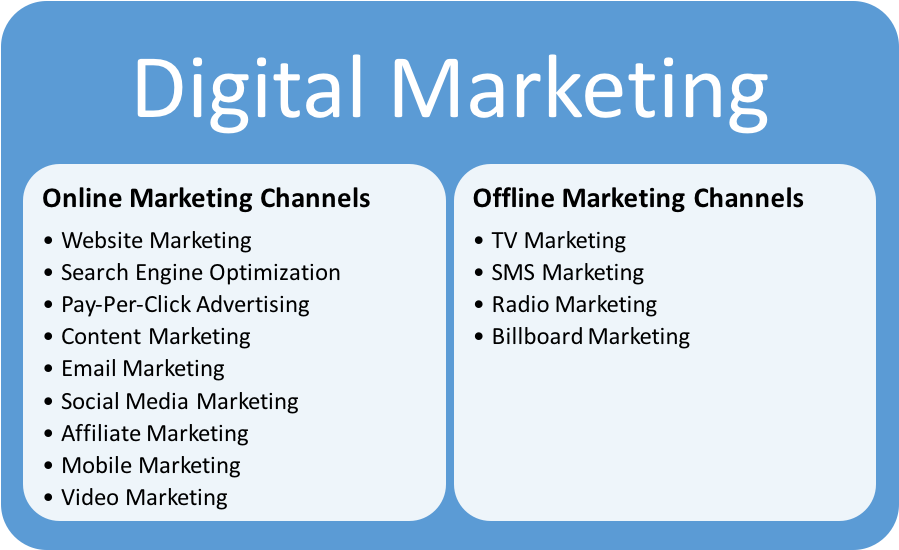
The main advantages of digital marketing lie in its ability to target specific audiences, measure results with high accuracy, and adapt strategies in real-time. A billboard is seen by everyone who drives by, but a targeted social media ad can be shown only to people with specific interests or demographics. Let's break down the key differences.
| Feature | Traditional Marketing | Digital Marketing |
|---|---|---|
| Audience | Broad, general audience | Highly specific, targeted segments |
| Interaction | One-way communication | Two-way, interactive engagement |
| Measurement | Difficult, often estimated | Precise, real-time data and analytics |
| Cost | Often requires a large upfront investment | More flexible, can start with a small budget |
| Speed | Slow to launch and change | Fast to deploy and easy to adjust |
The PESO Model
To make sense of all the available channels, marketers often use a framework called the PESO model. It categorizes all media into four types: Paid, Earned, Shared, and Owned. Understanding this model helps you create a balanced and integrated marketing strategy.
Paid Media: This is marketing you pay for. Think of Google Ads, social media ads, or sponsored posts. You pay to get your message in front of an audience.
Earned Media: This is the coverage you get from others for free. It's what people say about you. Examples include press mentions, customer reviews, and unsolicited influencer shout-outs. It's essentially word-of-mouth, but in the digital world.
Shared Media: This refers to the content shared across social media platforms. It's about engagement—likes, shares, comments, and user-generated content. While you own your social media accounts, the conversation and sharing are driven by the community.
Owned Media: These are the channels your company controls. This includes your website, blog, email newsletters, and official social media profiles. You have the final say on the content and messaging here.
The most effective digital marketing strategies don't rely on just one type of media. They blend elements from all four PESO categories to create a cohesive and powerful presence.
Now that you understand the basic landscape, let's test your knowledge.
What is the primary advantage of digital marketing compared to traditional marketing channels like print ads or billboards?
According to the PESO model, a company's own website and email newsletter are considered which type of media?
Understanding these core concepts is the first step. By knowing what digital marketing is and how its different parts work together, you can begin to build a strategy that reaches the right people with the right message.