Digital Marketing Fundamentals
Introduction to Digital Marketing
What Is Digital Marketing?
At its core, digital marketing is any effort to promote a brand, product, or service using electronic devices and the internet. It’s the art of connecting with potential customers in the digital spaces where they spend their time, from social media to their email inboxes.
Think about all the ways you interact with companies online. You might see an ad on Instagram for a pair of shoes you were just looking at, get an email about a sale at your favorite store, or find a helpful blog post by searching on Google. All of these are forms of digital marketing.
Unlike traditional marketing, digital marketing isn’t a one-way street. It’s a conversation that allows businesses to engage directly with their audience.
Digital vs. Traditional
Traditional marketing relies on offline channels like print ads in magazines, billboards, TV commercials, and direct mail. For decades, this was the only way to reach a broad audience. While still effective in some cases, it often feels like shouting into a void, hoping the right people hear you.
Digital marketing changed the game by introducing precision and interaction. Instead of casting a wide net, marketers can now target specific groups of people with personalized messages. The key difference lies in the data and feedback loop. With digital, you can see exactly what's working and what isn't, almost in real time.
| Feature | Traditional Marketing | Digital Marketing |
|---|---|---|
| Communication | One-way broadcast | Two-way conversation |
| Targeting | Broad, general audience | Highly specific, niche audience |
| Measurement | Difficult, often estimated | Precise, real-time data |
| Cost | Often high investment | More budget-friendly options |
| Pace | Slow to launch and change | Fast and agile |
The Key Benefits
So, why has digital marketing become so dominant? The advantages are clear, especially for businesses looking to make a big impact without a massive budget.
First, there’s global reach. A small business in a quiet town can sell its products to customers on the other side of the world. The internet removes geographical barriers.
Precise targeting is another huge win. You can show your ads to people based on their interests, age, location, online behavior, and more. This means you’re spending money reaching people who are actually likely to be interested in what you offer. It's the difference between putting a flyer on every car in a parking lot versus handing one directly to someone you know is looking for a car.
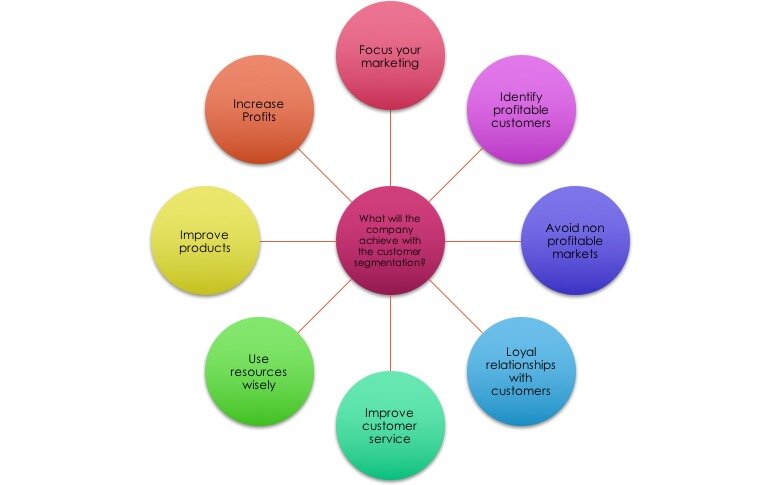
Everything in digital marketing is measurable. You can track how many people saw your ad, clicked on it, and made a purchase. This data allows you to understand your return on investment (ROI) and make smarter decisions about where to put your money. Finally, it's generally more cost-effective. While you can spend millions, you can also get started with a very small budget, making it accessible to businesses of all sizes.
An Overview of Channels
Digital marketing isn't just one thing; it's a collection of different channels and tactics that work together. Here are some of the most common ones you'll encounter.
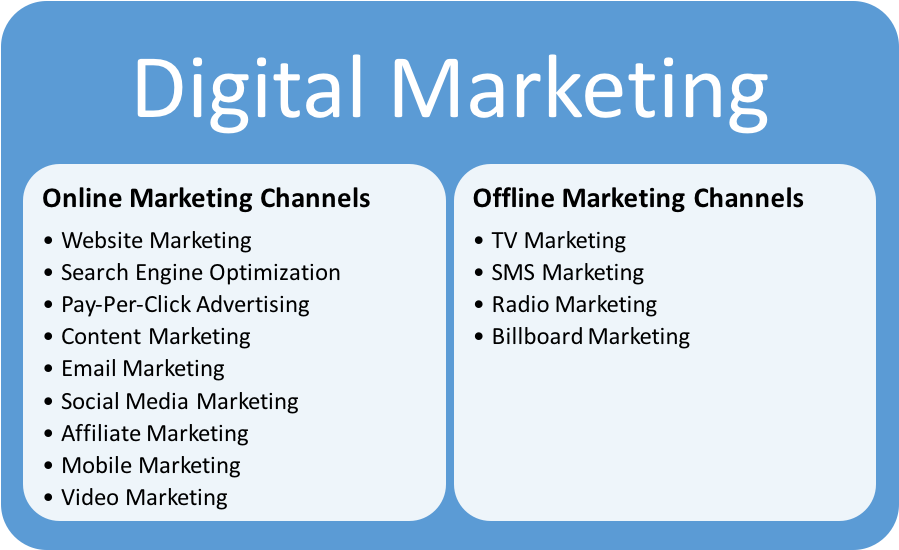
Search Engine Optimization (SEO): This is the practice of optimizing your website to rank higher in search engine results (like on Google). When someone searches for a term related to your business, you want to be one of the first results they see.
Content Marketing: This involves creating and sharing valuable free content—like blog posts, videos, or podcasts—to attract and retain an audience. The goal is to provide value first, building trust that eventually leads to a sale.
Social Media Marketing: This is using social media platforms like Instagram, Facebook, TikTok, and LinkedIn to build your brand, engage with your audience, and drive traffic to your website.
Pay-Per-Click (PPC) Advertising: With PPC, you pay a fee each time someone clicks on one of your ads. The most common example is Google Ads, where your ad appears at the top of the search results for specific keywords.
Email Marketing: This is a way to communicate directly with people who have given you permission to contact them. It’s great for nurturing leads, announcing new products, and promoting sales.
Affiliate Marketing: This is a performance-based model where a business pays a commission to external websites or individuals (affiliates) for the traffic or sales they generate.
Each of these channels serves a different purpose, but they are most powerful when used together as part of a cohesive strategy.
What is the primary goal of digital marketing?
Which characteristic best distinguishes digital marketing from traditional marketing?
Understanding these core concepts is the first step. By grasping what digital marketing is and how it differs from traditional methods, you've built the foundation for exploring each of its powerful channels in more detail.