Digital Marketing Fundamentals
Introduction to Digital Marketing
What Is Digital Marketing?
Digital marketing is any marketing effort that uses an electronic device or the internet. Businesses leverage digital channels such as search engines, social media, email, and their websites to connect with current and prospective customers.
Think about the marketing of the past: television commercials, magazine ads, and billboards. These methods, known as traditional marketing, pushed a message out to a wide audience, hoping to catch the right people's attention. It was largely a one-way conversation.
The internet changed everything. Suddenly, the conversation became a two-way street. Customers could research products, compare prices, and share reviews with a few clicks. This shift gave rise to digital marketing, which focuses on reaching people where they already spend their time: online.
At its core, digital marketing is about connecting with your audience in the right place, at the right time, and with the right message.
The Digital Marketing Toolbox
Digital marketing isn't just one thing. It’s a collection of different tools and strategies, often called channels. Each channel offers a unique way to interact with an audience. While a deep dive into each one is a topic for another day, let's look at the most common tools in the kit.
Search Engines: This is all about being visible on search engines like Google. Search Engine Optimization (SEO) helps your website show up higher in search results organically, while Search Engine Marketing (SEM) often involves paying for ads that appear at the top of the page.
Social Media: This involves using platforms like Facebook, Instagram, LinkedIn, and TikTok to build a brand, engage with a community, and drive traffic to your website. It's about being part of the conversation.
Email Marketing: One of the oldest forms of digital marketing, email is still incredibly effective. It's a direct line to your audience for sharing news, promotions, or valuable content.
Content Marketing: This strategy is based on creating and sharing valuable, relevant content—like blog posts, videos, or podcasts. The goal is to attract and retain an audience by providing useful information, not just pitching a product.
Paid Ads: This is a broad category that includes ads on social media, search engines (like the SEM mentioned above), and display ads you see on various websites. It's a way to get your message in front of a specific audience quickly.
The Power of Data and Technology
What truly sets digital marketing apart from its traditional counterpart is data. With traditional marketing, it was difficult to know exactly how many people saw your billboard or acted on your TV commercial. With digital, nearly every action is trackable.
Marketers can see how many people visited a webpage, where they came from, what they clicked on, and how long they stayed. This wealth of information allows for a much deeper understanding of customer behavior.
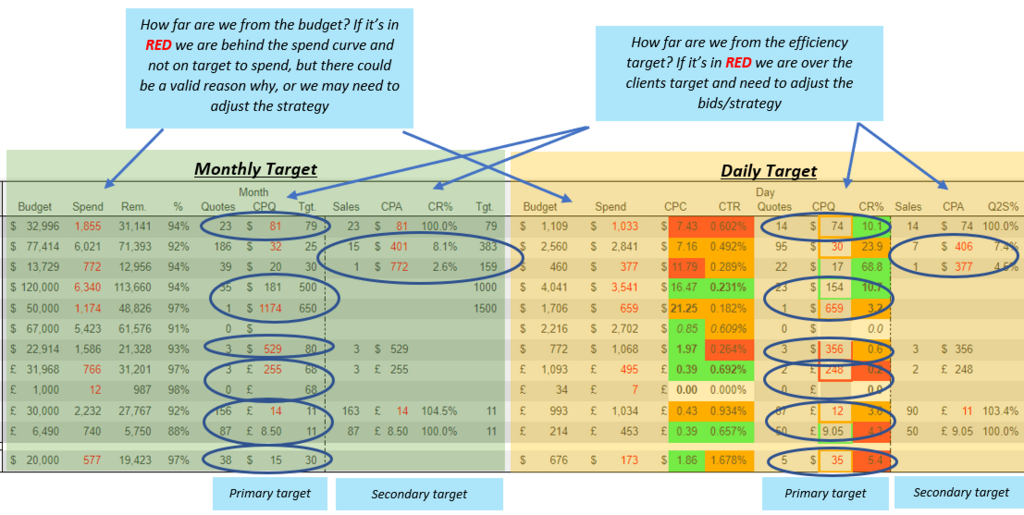
This data fuels the technology that makes modern marketing possible. It allows for personalization, like when an e-commerce site recommends products based on your past purchases. It also enables automation, where emails or social media posts can be scheduled and sent to the right people at the right time.
Instead of broadcasting a single message to everyone, businesses can tailor their communication to fit the specific interests and needs of different customer groups. This makes marketing more relevant, helpful, and effective.
Data-driven marketing isn't about spying on customers. It's about listening to their behavior to provide a better, more personalized experience.
Welcome to the world of digital marketing. It's a dynamic field that's constantly evolving with new technologies and platforms, but the core principle remains the same: connecting with people in meaningful ways online.
What is the primary characteristic that distinguishes digital marketing from traditional marketing?
A small bakery wants its website to appear in Google's search results when people search for 'cupcakes near me' without paying for ads. Which strategy should be their main focus?