Digital Marketing Foundations
Traditional vs Digital
From Megaphones to Magnets
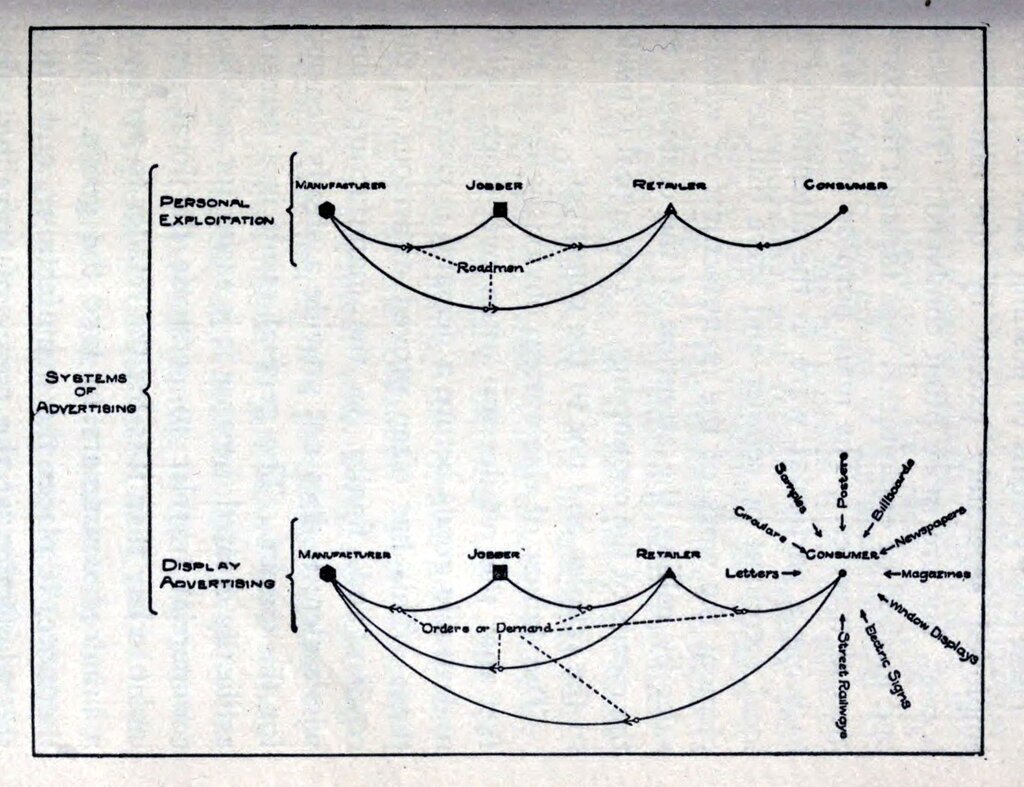
Marketing has always been about connecting with an audience. For a long time, the main approach was what we can call 'traditional marketing'. Think of TV adverts, radio spots, newspaper ads, and giant billboards. This method is like using a megaphone: you shout your message to a large crowd, hoping some of the right people hear it.
Traditional marketing broadcasts a single message to a wide, general audience.
Digital marketing is different. It uses the internet and electronic devices to reach people. Instead of a megaphone, it's more like a magnet. It attracts individuals who are already looking for what you have to offer. If someone searches online for 'best running shoes for beginners', digital marketing allows a shoe company to show them a relevant advert right at that moment.
Digital Marketing
noun
The promotion of products or services using digital channels, such as search engines, websites, social media, and email, to connect with current and prospective customers.
This targeted approach is the fundamental difference. You're not interrupting someone's TV show; you're providing an answer or a solution when they are actively seeking it.
Key Differences
The shift from traditional to digital isn't just about technology; it's about efficiency and results. Digital marketing offers several key advantages that explain why businesses are moving their budgets online.
| Feature | Traditional Marketing (Megaphone) | Digital Marketing (Magnet) |
|---|---|---|
| Cost | Often very expensive (e.g., a national TV ad) | More affordable, with options for any budget |
| Targeting | Broad and untargeted (e.g., everyone driving past a billboard) | Highly specific (e.g., people aged 25-35 who like hiking) |
| Measurement | Difficult to measure precisely | Highly measurable (you know exactly how many people clicked) |
| Feedback | Slow or non-existent | Instantaneous (comments, likes, shares, clicks) |
One of the most powerful aspects of digital is its global reach. With a website, a small shop in Manchester can sell its products to someone in Tokyo, 24/7. The internet never closes. This opens up a worldwide marketplace that was once only accessible to huge corporations.
The Customer Journey
To understand how digital marketing works, it helps to visualise the path a customer takes. This path is often called a 'marketing funnel'. It's wide at the top and narrow at the bottom, representing how a large number of potential customers are narrowed down to a smaller number who actually make a purchase.
The funnel has three basic stages:
- Awareness: This is the top of the funnel. A person becomes aware that they have a problem or a need, and they also become aware that your business exists. They might see one of your posts on social media or find your blog through a Google search.
- Consideration: In the middle of the funnel, the person is actively researching solutions. They are comparing your products with competitors, reading reviews, and looking for the best option to meet their needs.
- Conversion: This is the bottom of the funnel. The person has decided to act. For an online shop, a conversion is a sale. For other businesses, it might be signing up for a newsletter, filling out a contact form, or booking a consultation.
Digital marketing provides the tools to engage with people at every stage of this journey, gently guiding them from initial awareness to final purchase.
The text uses an analogy to describe the difference between traditional and digital marketing. Which option correctly pairs the marketing type with its analogy?
In which stage of the marketing funnel is a potential customer actively comparing your product with competitors and reading reviews?
Understanding this shift from broad shouting to targeted attracting is the first step. Now we can explore the specific channels and strategies that make digital marketing so effective.