Digital Marketing Essentials
Introduction to Digital Marketing
What Is Digital Marketing?
Digital marketing is any marketing effort that uses an electronic device or the internet. Businesses leverage digital channels such as search engines, social media, email, and their websites to connect with current and prospective customers.
Think about the last time you bought something. Did you see an ad on Instagram? Search for reviews on Google? Sign up for a brand's newsletter to get a discount? All of that is digital marketing. It's not just about selling; it's about building awareness, creating relationships, and providing value where people are spending their time: online.
Unlike traditional marketing (like print ads or billboards), digital marketing allows for incredible precision. You can target specific demographics, interests, and behaviors, making your efforts more efficient and measurable.
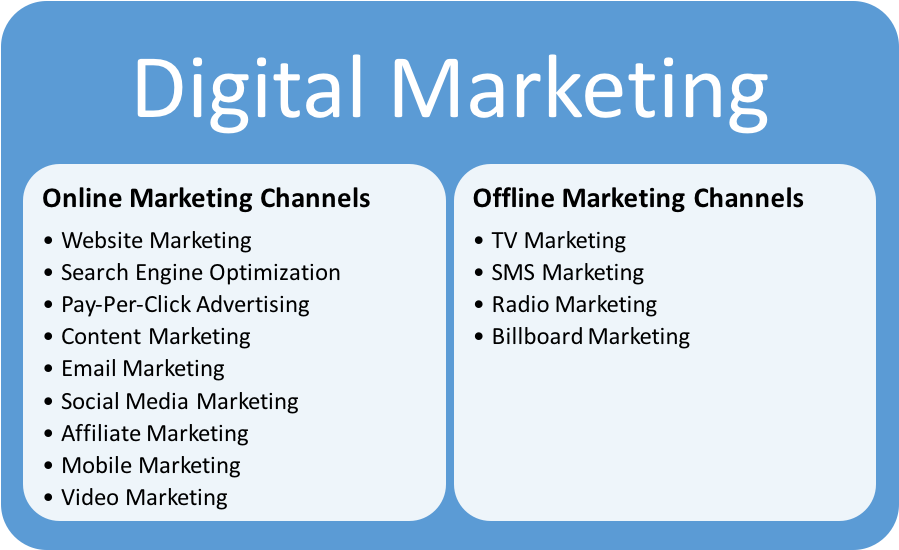
The Main Channels
Digital marketing isn't a single thing. It's a collection of different channels, each with its own strengths. A good strategy often uses several of them in concert.
| Channel | Purpose |
|---|---|
| Search Engine Optimization (SEO) | Improving your website to rank higher in search engine results, like on Google. |
| Pay-Per-Click (PPC) | Placing ads on search engines or websites and paying a fee each time an ad is clicked. |
| Social Media Marketing | Using platforms like Facebook, Instagram, or LinkedIn to build your brand and engage with an audience. |
| Content Marketing | Creating and sharing valuable free content—like blog posts, videos, or podcasts—to attract and retain an audience. |
| Email Marketing | Communicating with your audience directly through email to promote content, share news, or drive sales. |
The goal isn't to master every channel at once. It's to understand how they work and choose the right ones to reach your specific audience. An email campaign might support a new blog post, which you then promote on social media to people who found you through a search engine. They all work together.
The Buyer's Journey
Effective marketing meets customers where they are. The buyer's journey is a framework that describes the path a potential customer takes before making a purchase. It's generally broken down into three stages.
-
Awareness Stage: The buyer realizes they have a problem or need. They aren't looking for a specific product yet, just information. Here, content marketing and SEO are key. A person might search "how to fix a leaky faucet."
-
Consideration Stage: The buyer defines their problem and researches options to solve it. They are now comparing different solutions. Detailed guides, product comparisons, and webinars are effective here. Their search might evolve to "best smart faucet brands."
-
Decision Stage: The buyer has chosen a solution and is ready to buy. They're looking at specific products, pricing, and reviews. This is where PPC ads, case studies, and free trials can close the deal.
Putting It All Together
A successful digital marketing strategy isn't about throwing everything at the wall to see what sticks. It's about creating a cohesive plan where each channel supports the others to guide the customer through their journey.
You might use social media ads to make people aware of a problem they didn't know they had. When they search for more information, they find your helpful blog post because of your SEO efforts. They sign up for your email list to get a free guide, entering the consideration stage. Finally, after receiving a few value-packed emails, they get an offer that convinces them to make the decision to buy.
The goal is to attract, engage, and delight customers at every step, turning strangers into visitors, visitors into leads, and leads into happy customers.
Thinking through your mission, target audience, and value proposition helps organize all these moving parts into a single, effective strategy.
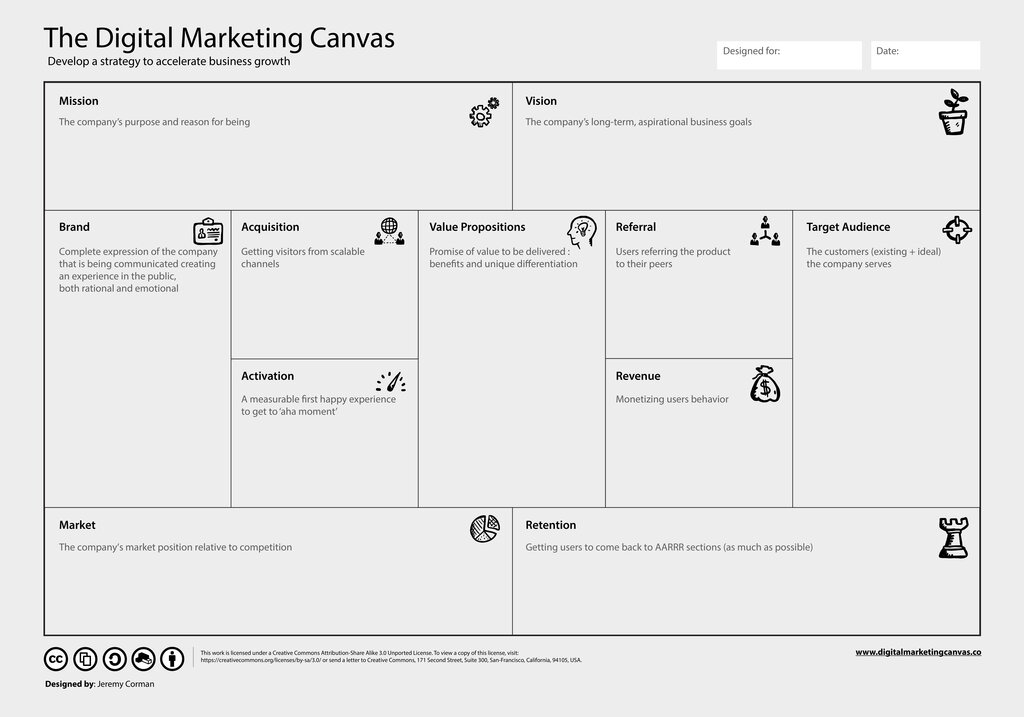
Now that you understand the basic building blocks, let's check your knowledge.
According to the provided text, what is a key advantage of digital marketing over traditional marketing?
A potential customer searches Google for 'how to fix a leaky faucet.' Which stage of the buyer's journey are they most likely in?
Understanding these core concepts is the first step. Digital marketing is about connecting with people in a helpful, human way, using the right tools to reach them at the right time.