Digital Marketing Essentials
Introduction to Digital Marketing
What Is Digital Marketing?
At its core, digital marketing is just marketing that uses electronic devices and the internet. It's how companies promote goods, services, and brands through online channels. Think about the last thing you bought online. How did you find it? Maybe you searched for it on Google, saw an ad on Instagram, or read a blog post that recommended it. All of those are examples of digital marketing in action.
Traditional marketing relied on print ads, billboards, and television commercials—broadcasting a single message to a massive audience. Digital marketing is different. It's a two-way conversation. It allows businesses to target specific groups of people, interact with them directly, and measure the results with incredible accuracy.
It all started in the 1990s with the first websites, which were like online brochures. As search engines like Google became popular, businesses realized they needed to show up in search results. Then came social media, smartphones, and a whole new world of ways to connect with customers. The evolution has been rapid, moving from simple banner ads to complex, data-driven campaigns that can feel incredibly personal.
The Digital Marketing Toolbox
Digital marketing isn't a single thing; it's a collection of different tools and strategies, often called "channels." Each channel has its own strengths, and they often work together to create a cohesive marketing strategy. Think of it like a toolbox where each tool has a specific job.
| Channel | What It Is | Best For |
|---|---|---|
| Search Engine Optimization (SEO) | Improving your website to rank higher in search engine results. | Building long-term, organic traffic. |
| Pay-Per-Click (PPC) Advertising | Paying for ads that appear on search engines and other websites. | Getting immediate traffic from interested people. |
| Social Media Marketing | Using platforms like Facebook, Instagram, and LinkedIn to connect with audiences. | Building a community and brand awareness. |
| Content Marketing | Creating and sharing valuable free content like blog posts, videos, and ebooks. | Earning trust and attracting an audience. |
| Email Marketing | Sending messages directly to a list of subscribers. | Nurturing leads and retaining customers. |
A good strategy rarely relies on just one of these channels. Instead, they are woven together. For instance, a company might use content marketing (a great blog post) to attract visitors through SEO. Then, they might use social media marketing to share that blog post with a wider audience and email marketing to send it to their loyal subscribers.
Where It All Happens
If channels are the methods you use, then digital platforms are the places where the marketing happens. These are the websites, apps, and services where you interact with customers. Google is a platform for SEO and PPC. Facebook, TikTok, and X (formerly Twitter) are platforms for social media marketing. Your own website is a critical platform that you control completely.
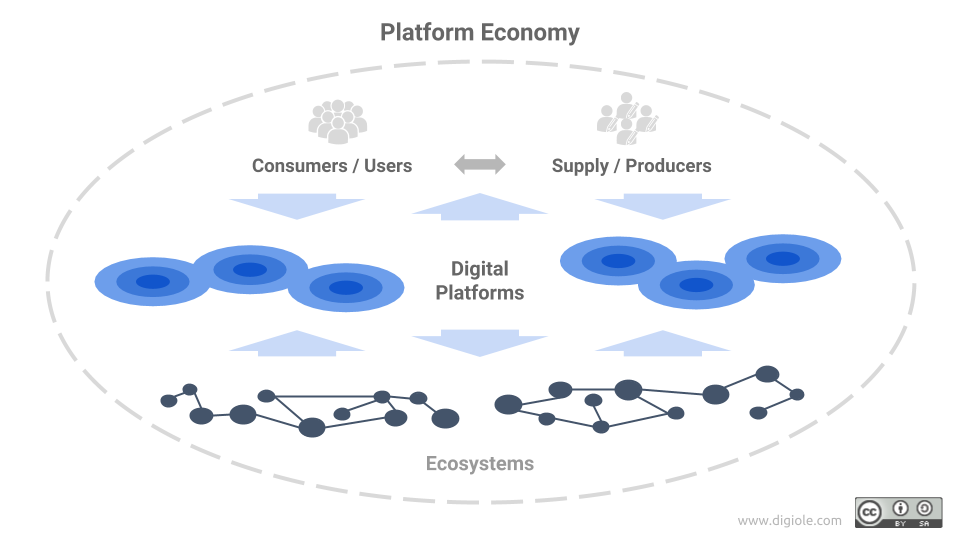
These platforms are more than just virtual billboards. They are ecosystems. They provide the infrastructure for businesses to find their target audience, deliver their message, and build relationships. For example, Facebook doesn't just let you post an ad; it gives you tools to target users based on their interests, location, and behavior, creating a highly specific audience.
Understanding how these platforms work—their rules, their algorithms, and their audiences—is essential for any digital marketer.
Making Sense of It All with Data
Perhaps the biggest advantage of digital marketing over traditional methods is data. With traditional marketing, it was hard to know exactly how many people saw your billboard or acted on your TV commercial. With digital marketing, nearly everything is measurable.
Data-driven decision-making is crucial in digital marketing as it enables businesses to track performance, understand customer behavior, and refine strategies based on real-time insights.
Data analytics is the process of collecting and analyzing this information to understand what's working and what isn't. Marketers can track metrics like:
- Impressions: How many times an ad was seen.
- Clicks: How many people clicked on an ad or link.
- Conversion Rate: The percentage of people who took a desired action, like making a purchase or signing up for a newsletter.
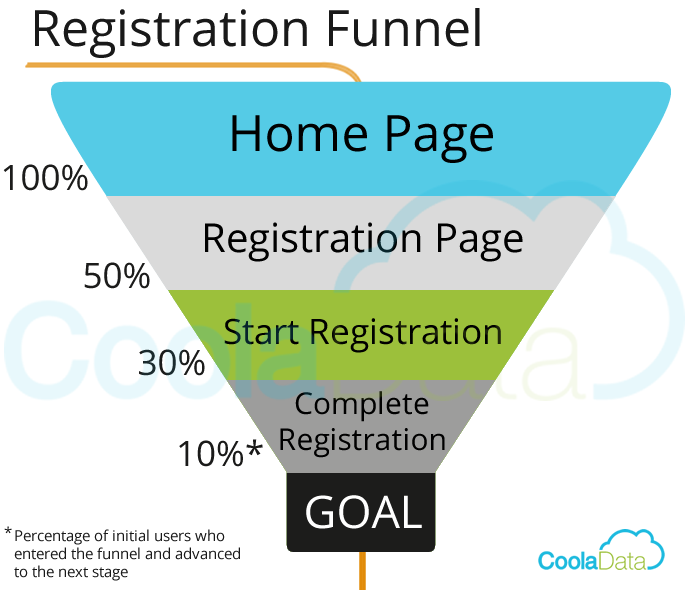
This data allows marketers to stop guessing and start making informed decisions. If an ad isn't getting clicks, they can change it. If a blog post is getting a lot of traffic, they can create more content like it. Data turns marketing from an art into a science, allowing for constant improvement and a much better return on investment.
Now, let's test your understanding of these foundational concepts.
What is the primary characteristic that distinguishes digital marketing from traditional marketing?
In digital marketing, 'channels' are the methods used, while 'platforms' are the places where marketing happens.